LA to Tokyo Flight Time: Expert Insights for Pacific Travelers
Planning a journey from Los Angeles to Tokyo? Understanding the actual flight duration is crucial for managing your travel schedule, booking accommodations, and preparing for the long-haul experience ahead. The LA to Tokyo flight time typically ranges from 10 to 12 hours for direct flights, though this can vary significantly based on wind patterns, routing, and seasonal factors. Whether you’re traveling for business, leisure, or adventure, knowing what to expect makes all the difference in ensuring a smooth and comfortable journey across the Pacific.
Tokyo, Japan’s vibrant capital, attracts millions of visitors annually from Los Angeles and other major U.S. cities. The distance between LAX (Los Angeles International Airport) and NRT/HND (Narita and Haneda airports) is approximately 5,478 miles, making it one of the longest transpacific routes from the West Coast. This comprehensive guide breaks down everything you need to know about flight duration, factors affecting your travel time, and expert tips for making the most of your Pacific crossing.
Direct Flight Duration Explained
Direct flights from Los Angeles to Tokyo represent the fastest way to reach Japan’s capital from the West Coast. The average flight time hovers around 11 hours for most direct services, though you’ll occasionally see flights completing the journey in as little as 10 hours or taking up to 12 hours depending on atmospheric conditions.
The actual flight time you experience depends heavily on the direction of travel and prevailing wind patterns. When flying westbound from LA to Tokyo, you’re traveling against the jet stream, which can add 30 minutes to an hour to your journey. The jet stream, a fast-flowing river of air in the upper atmosphere, significantly impacts transpacific flight times. Pilots carefully plan routes to optimize fuel efficiency and minimize flight duration, but sometimes weather patterns force adjustments that extend your time in the air.
Most major carriers operating this route include best airlines for long flights such as ANA (All Nippon Airways), JAL (Japan Airlines), United Airlines, and American Airlines. These carriers have optimized their schedules based on decades of Pacific operations, and their flight times are remarkably consistent year-round.
Departure timing also influences your arrival time in Tokyo. A flight departing LAX in the evening might arrive in Tokyo the following afternoon (local time), while morning departures typically land in the early morning hours. Understanding this timing helps you plan your ground transportation and hotel check-in accordingly.
Factors Affecting Your Flight Time
Several variables influence how long your specific flight will take across the Pacific. Understanding these factors helps you set realistic expectations and plan accordingly.
Jet Stream Patterns: The most significant factor affecting LA to Tokyo flight times is the jet stream. During winter months (November through March), the jet stream is typically stronger and positioned further south, potentially adding time to westbound flights. Summer months may offer slightly faster westbound journey times, though the difference is often minimal.
Aircraft Type: Boeing 787 Dreamliners, Boeing 777s, and Airbus A350s dominate this route. The 787 Dreamliner is particularly popular for its fuel efficiency and comfort features. While aircraft type doesn’t dramatically change flight time, newer aircraft may occasionally cruise at slightly different altitudes to optimize fuel consumption, which can marginally affect duration.
Weather Conditions: Storms, turbulence, and atmospheric pressure systems can cause pilots to request altitude changes or slightly different routing. While these adjustments rarely add more than 15-20 minutes to your journey, severe weather can occasionally cause more significant delays.
Air Traffic Control Routing: Occasionally, air traffic control may assign different routing due to congestion or military airspace considerations. These routing changes can add 10-30 minutes to your flight time depending on the specific circumstances.
Seasonal Variations: Tokyo experiences distinct seasons, and flight patterns shift accordingly. Winter flights (December-February) tend to be slightly longer due to jet stream positioning, while summer flights may be marginally shorter. However, seasonal differences typically amount to only 15-30 minutes difference.
Managing Jet Lag and Time Differences
The 16 or 17-hour time difference between Los Angeles and Tokyo (depending on daylight saving time) creates significant jet lag challenges. While your flight time might be 11 hours, your body will experience much more dramatic temporal displacement.
Tokyo is 16 hours ahead of Pacific Standard Time and 17 hours ahead of Pacific Daylight Time. This means that when you depart LA at 6 PM, you’ll arrive in Tokyo around 11 AM the following day local time—but your body thinks it’s still the evening of the previous day. Managing this adjustment is crucial for enjoying your Tokyo experience.
Implementing essential tips for long haul flights can significantly reduce jet lag symptoms. Start adjusting your sleep schedule 2-3 days before departure. If traveling westbound to Tokyo, try staying up later each evening before your flight. Stay hydrated throughout your flight, avoid excessive alcohol, and consider melatonin supplements (consult your doctor first) to help reset your sleep cycle.
Upon arrival in Tokyo, expose yourself to natural sunlight immediately, as this is the most powerful jet lag remedy. Eat meals at local Tokyo times rather than according to your original schedule. Most travelers adapt to Tokyo time within 3-5 days, though some experience lingering effects for up to a week.
Airlines and Route Options
Several excellent carriers operate the LA to Tokyo route, each offering distinct advantages. Understanding your airline options helps you select the best fit for your priorities and budget.
Japanese Carriers: ANA (All Nippon Airways) and JAL (Japan Airlines) dominate this route with multiple daily flights. Both carriers excel in service quality, on-time performance, and passenger comfort. ANA operates modern Boeing 787 Dreamliners on most LA-Tokyo flights, offering superior cabin pressure, humidity, and lighting that reduce jet lag symptoms. JAL similarly maintains excellent standards across their fleet. Flying with a Japanese carrier often provides cultural immersion from the moment you board.
U.S. Carriers: United Airlines and American Airlines both operate daily flights on this route. United’s 787 Dreamliner service is particularly popular among business travelers. American Airlines also maintains strong presence with multiple daily departures. These carriers often offer competitive pricing and integrated connections throughout North America.
Flight Frequency: Most major carriers operate 1-3 daily flights from LAX to Tokyo (Haneda and Narita airports). Haneda Airport (HND), Tokyo’s primary international gateway, is more conveniently located for central Tokyo access. Direct flight options are abundant, meaning you can often find departure times that suit your schedule.
When booking your flight, consider the best times to book airline tickets to maximize savings. Typically, booking 2-3 months in advance offers optimal pricing for transpacific routes.
Smart Booking Strategies
Booking your LA to Tokyo flight strategically can save significant money while ensuring optimal scheduling. Several proven tactics help travelers secure better fares and conditions.
Timing Your Booking: For transpacific flights, booking 60-90 days in advance typically yields the best prices. Avoid booking during peak travel seasons (Golden Week in late April, summer holidays in August, New Year period in late December). Tuesday and Wednesday departures often cost less than weekend flights.
Flexible Dates: Using flexible date search tools reveals significant price variations. Flying mid-week rather than weekends can save $200-400 per ticket. Early morning or late evening departures often cost less than afternoon flights.
Considering Refundable Options: For transpacific flights, booking refundable airline tickets provides valuable flexibility given the long journey and significant upfront investment. While refundable fares cost more initially, they protect you against unexpected schedule changes or emergencies.
Comparing Airports: While LAX dominates LA-area departures, consider checking nearby alternatives like Long Beach (LGB) or Ontario (ONT) for occasionally cheaper fares. However, ground transportation time usually negates any savings.
Loyalty Programs: If you frequently travel, joining airline loyalty programs (United MileagePlus, ANA ANA Card, JAL JAL Mileage Bank) provides benefits including priority boarding, lounge access, and potential upgrades. These programs are particularly valuable for long-haul flights.
In-Flight Comfort and Preparation
An 11-hour flight demands serious preparation to maintain comfort and arrive refreshed. Strategic planning makes an enormous difference in your overall experience.
Seat Selection: For long-haul flights, seat choice dramatically impacts comfort. Window seats offer wall support for sleeping but require navigating around aisle passengers. Middle seats are generally worst. Aisle seats provide bathroom access without disturbing others. Premium Economy or Business Class offers significantly more comfort for the investment, particularly on 11-hour flights.
Packing Essentials: Bring compression socks to reduce blood clot risk on long flights, a neck pillow for sleeping support, noise-canceling headphones, eye mask, and earplugs. Comfortable clothing and slip-on shoes are crucial. Pack a toiletry kit with moisturizer, lip balm, and toothbrush—cabin air is extremely dry.
In-Flight Activities: Modern aircraft offer extensive entertainment systems. Download movies, podcasts, or audiobooks as backup. Many travelers find reading, light meditation, or productive work on laptops helps pass the time more pleasantly than passive entertainment consumption.
Hydration and Nutrition: Drink water consistently throughout your flight—aim for 8 ounces every hour. Avoid alcohol and excessive caffeine, which dehydrate and disrupt sleep. Request special meals (vegetarian, vegan, gluten-free) when booking, ensuring better meal options than standard offerings.
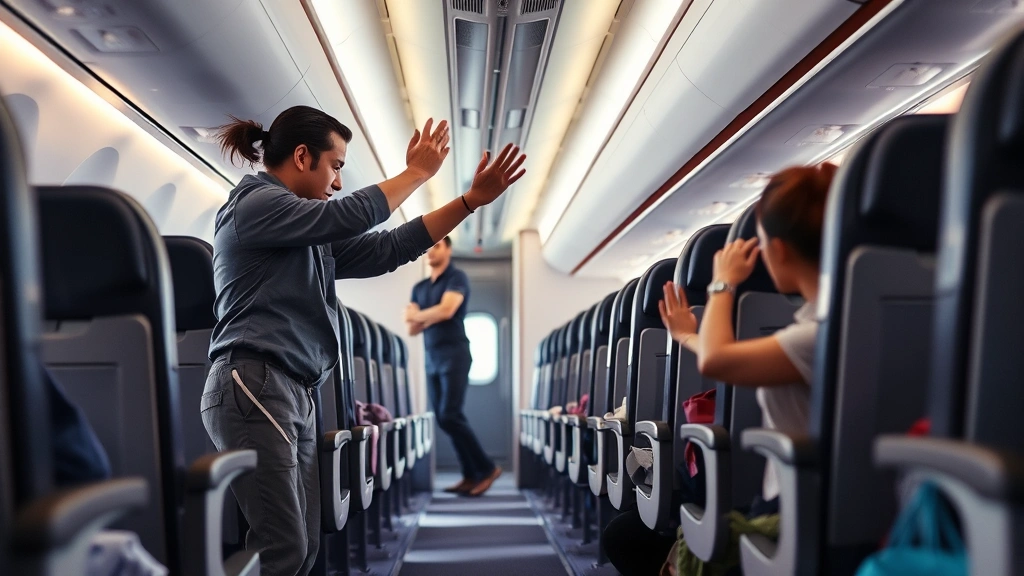
Movement and Exercise: Stand, stretch, and walk the aisles every 2-3 hours. Perform seat exercises—ankle circles, leg lifts, shoulder rolls—to maintain circulation and prevent deep vein thrombosis. This movement also helps manage jet lag by maintaining physical activity.
For comprehensive long-haul strategies, review our guide on essential tips for long haul flights for additional expert recommendations.
FAQ
How long is a flight from LA to Tokyo?
Direct flights from Los Angeles to Tokyo typically take 10-12 hours, with most flights averaging around 11 hours. Flight duration varies based on jet stream patterns, specific routing, and weather conditions. Westbound flights (LA to Tokyo) are generally slightly longer than eastbound return flights due to prevailing wind patterns.
Is there a time difference between LA and Tokyo?
Yes, Tokyo is 16-17 hours ahead of Los Angeles (depending on daylight saving time). This significant time difference causes substantial jet lag. When you depart LA in the evening, you arrive in Tokyo the following afternoon local time, requiring adjustment to the new schedule.
Which airlines fly directly from LAX to Tokyo?
Multiple carriers operate direct flights including ANA (All Nippon Airways), JAL (Japan Airlines), United Airlines, and American Airlines. All offer multiple daily departures with modern aircraft, primarily Boeing 787 Dreamliners and Airbus A350s.
What’s the best time to book an LA to Tokyo flight?
Book 60-90 days in advance for optimal pricing on transpacific flights. Tuesday and Wednesday departures typically cost less than weekends. Avoid peak travel seasons like Golden Week (late April) and summer holidays (August).
How do I manage jet lag on an 11-hour flight to Tokyo?
Start adjusting your sleep schedule 2-3 days before departure. Stay hydrated throughout the flight, avoid alcohol, and expose yourself to natural sunlight immediately upon arrival in Tokyo. Most travelers adapt within 3-5 days by eating and sleeping on Tokyo time.
What’s the difference between Haneda and Narita airports in Tokyo?
Haneda Airport (HND) is Tokyo’s primary international gateway, located closer to central Tokyo (14 km). Narita International Airport (NRT) is farther from the city center (60 km) but sometimes offers cheaper ground transportation. Most international flights now arrive at Haneda due to its superior location and facilities.
Can I get a direct flight from LA to Tokyo?
Yes, direct flights are readily available on this route. Multiple carriers operate daily non-stop service between LAX and Tokyo’s Haneda Airport. Flight times are consistent around 11 hours for direct service.
What should I pack for an 11-hour flight to Tokyo?
Pack compression socks, neck pillow, noise-canceling headphones, eye mask, earplugs, comfortable clothing, slip-on shoes, and a toiletry kit. Bring any necessary medications, a light jacket (cabins are cold), and entertainment options. Consider downloading movies or podcasts as backup entertainment.
Is Business Class worth it for LA to Tokyo flights?
Business Class offers significantly more comfort on 11-hour flights with lie-flat seats, premium meals, and priority services. Many business travelers find the investment worthwhile, particularly for international routes. Check airline loyalty programs and off-peak pricing for better Business Class deals.
How early should I arrive for an international flight to Tokyo?
Arrive at LAX 3 hours before international flight departure. This allows time for check-in, security screening, and reaching your gate without stress. For early morning departures, arriving 3.5 hours early ensures adequate buffer time.
Planning your LA to Tokyo flight becomes manageable when you understand flight duration, booking strategies, and preparation techniques. Whether you’re experiencing your first transpacific journey or returning to Tokyo frequently, these expert insights help you make informed decisions. Visit SkyVoyage Hub Blog for additional travel insights, or explore our guide on LA to Hawaii flight time for other Pacific route information.