Best Leather Flight Jackets? Expert Picks for Aviators and Travel Enthusiasts
A quality leather flight jacket is more than just a fashion statement—it’s a timeless investment that combines heritage, functionality, and style. Whether you’re a commercial pilot, frequent flyer, or aviation enthusiast, finding the perfect leather flight jacket requires understanding craftsmanship, materials, and design elements that have defined aviation wear since the golden age of flight.
As someone who travels extensively and appreciates authentic aviation gear, I’ve researched and tested numerous leather flight jackets to bring you expert recommendations. This comprehensive guide explores the best options available today, helping you make an informed decision that balances quality, durability, and aesthetic appeal.
Understanding Leather Flight Jacket History and Design
The leather flight jacket has an extraordinary aviation heritage dating back to World War I. Pilots needed protective gear that could withstand extreme cold at high altitudes while allowing sufficient mobility in cramped cockpits. Early designs featured heavy leather, wool linings, and practical hardware that became the foundation for modern flight jackets.
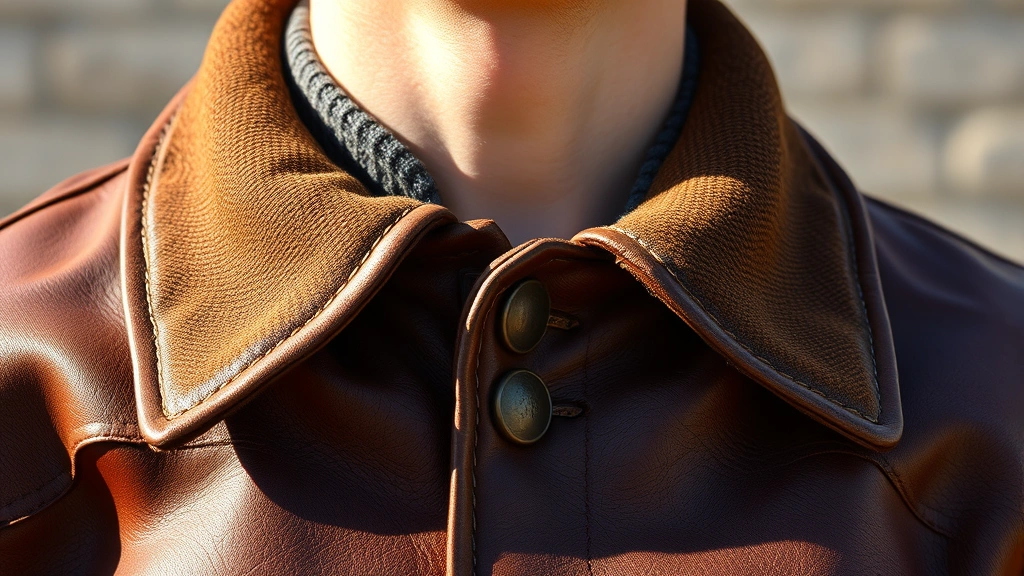
The most iconic design is the Type A-2 jacket, developed by the U.S. Army Air Forces during World War II. This jacket featured a brown horsehide leather exterior, knit cuffs and collar, and internal pockets—design elements that remain relevant today. Understanding this heritage helps you appreciate why certain features matter: the knit collar traps warmth, the hide leather ages beautifully, and the overall construction prioritizes functionality alongside style.
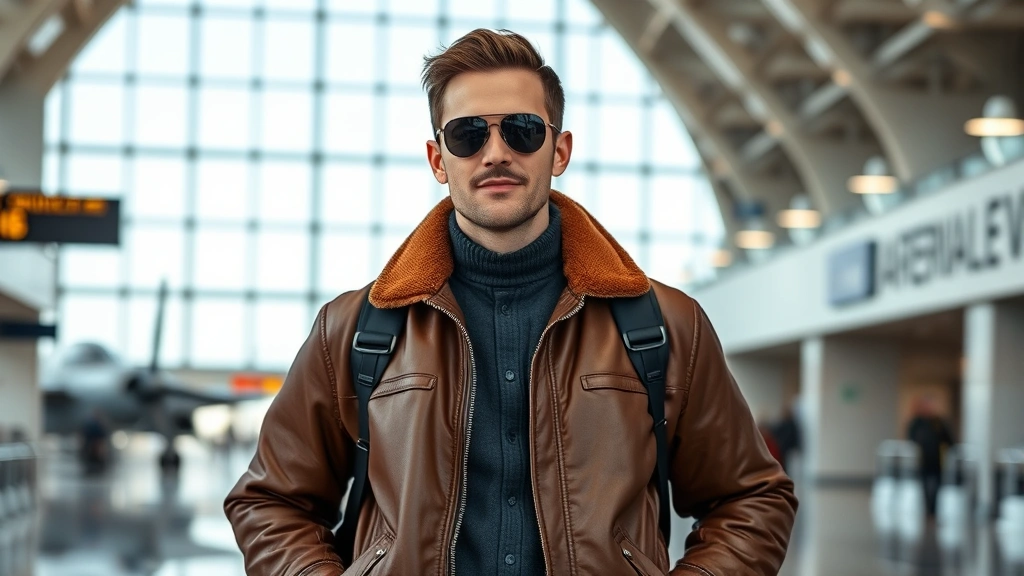
When you’re choosing airlines for long-haul flights, you’ll want quality outerwear for airport transitions and layovers. A proper leather flight jacket serves this purpose perfectly, offering professional appearance without sacrificing comfort during extended travel.
Top Leather Flight Jacket Brands and Models
Several manufacturers have earned exceptional reputations for producing authentic, high-quality leather flight jackets:
- Avirex: The official licensee of U.S. military flight jackets, Avirex produces historically accurate reproductions and contemporary designs. Their jackets feature authentic construction methods and premium leather sourcing.
- Schott NYC: An American institution since 1913, Schott creates durable leather jackets with meticulous attention to detail. Their flight jacket collection balances vintage aesthetics with modern comfort.
- Cockpit USA: Specializing in authentic military-inspired aviation wear, Cockpit USA uses high-grade horsehide and maintains traditional construction techniques passed down through generations.
- Real McCoy’s: A Japanese heritage brand renowned for obsessive accuracy in reproducing vintage military garments, including flight jackets that match historical specifications.
- Vanson Leathers: Canadian craftsmen producing custom and standard leather jackets favored by motorcycle and aviation enthusiasts for durability and aging characteristics.
Each brand offers distinct advantages. If you want historically authentic designs, Avirex and Real McCoy’s excel. For contemporary style with vintage roots, Schott NYC provides excellent balance. For custom options and premium materials, Vanson Leathers delivers unmatched quality.
Material Quality and Leather Types
The type of leather dramatically affects your jacket’s appearance, durability, and aging process. Understanding leather grades helps you make informed purchasing decisions:
Horsehide: The traditional choice for flight jackets, horsehide is exceptionally dense and durable. It develops a rich patina over time, becoming more supple and character-filled with each wear. Horsehide is heavier than cowhide but offers superior longevity. A quality horsehide jacket can last decades with proper care.
Cowhide: More affordable than horsehide, cowhide offers good durability and a softer feel from the beginning. It ages less dramatically than horsehide but remains a solid choice for functional flight jackets. Many contemporary jackets use premium cowhide to balance cost and performance.
Goatskin: Lighter and more supple than horsehide, goatskin provides excellent comfort without sacrificing durability. Some manufacturers blend goatskin with other leathers to achieve specific aesthetic and functional properties.
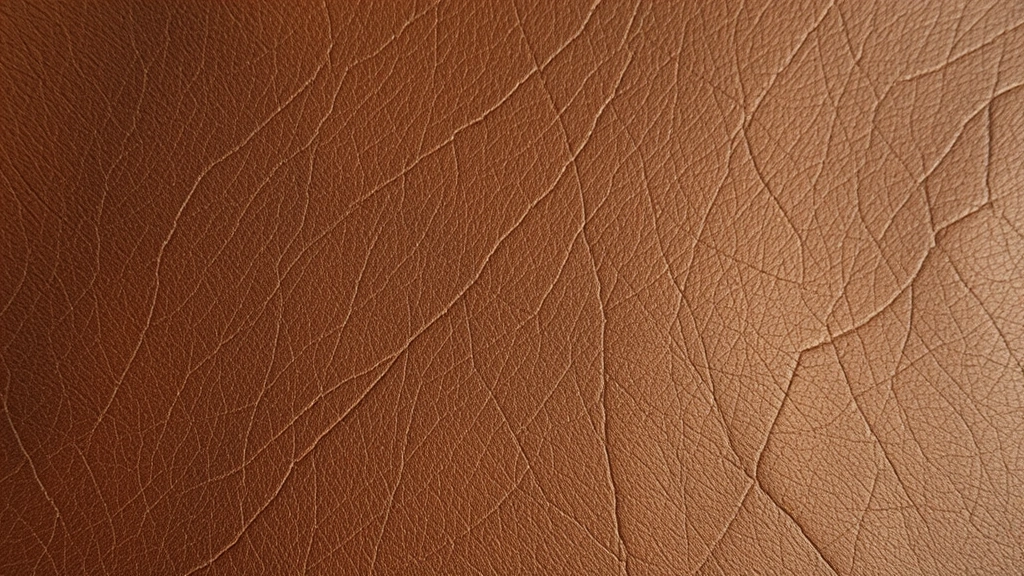
When examining leather quality, check the grain pattern consistency, smell for chemical treatments, and feel the weight. Premium leather should feel substantial without being rigid. Avoid overly soft leather—it typically indicates inferior grade materials that won’t age well or develop character.
Tanning methods matter significantly. Vegetable tanning produces leather that ages beautifully, developing unique patinas. Chrome tanning creates more uniform leather but ages less dramatically. The best flight jackets use vegetable-tanned leather or blends that prioritize aging characteristics.
” alt=”Detailed close-up of premium leather texture on vintage flight jacket showing rich patina and natural grain, worn edges, and warm brown tones”/>
Fit, Comfort, and Sizing Considerations
A leather flight jacket should fit snugly but comfortably over layered clothing. Unlike casual jackets, flight jackets traditionally fit closer to the body, reflecting their military origins where pilots needed mobility in tight cockpits.
When trying on a leather flight jacket, wear the clothing you’d typically layer underneath—usually a long-sleeve shirt or light sweater. The jacket should allow full arm movement without excess fabric bunching. Sleeves should reach your wrist bone, and the hem should sit at your hip. Shoulder seams should align with your natural shoulder point, not extend beyond it.
Leather shrinks slightly during the first six months of ownership, so slightly loose initial fit is acceptable if it’s minimal. However, jackets shouldn’t feel oversized. Many manufacturers provide detailed sizing charts accounting for leather shrinkage—consult these before purchasing.
Neck comfort is crucial since flight jackets feature close-fitting collars. If you have a larger neck, try sizes up rather than accepting discomfort. The knit collar should sit comfortably against your neck without restricting movement or feeling restrictive.
Before booking flights for multiple people, ensure everyone has appropriate travel attire. A well-fitted leather flight jacket serves as versatile outerwear for various destinations and occasions, from business travel to casual exploration.
Care and Maintenance for Longevity
Proper maintenance extends your leather flight jacket’s lifespan significantly. Unlike synthetic jackets, leather requires intentional care:
- Regular conditioning: Apply leather conditioner every 6-12 months, depending on climate and wear frequency. This maintains suppleness and prevents cracking. Use products specifically designed for leather garments, avoiding silicone-based treatments that create buildup.
- Spot cleaning: Address stains immediately with appropriate methods. For water-based stains, use a damp cloth; for oil-based marks, use specialized leather cleaner. Test any product on inconspicuous areas first.
- Storage: Store your jacket on padded hangers in cool, dry locations. Avoid plastic bags, which trap moisture and promote mildew. Cedar blocks or leather-specific storage solutions help prevent insect damage.
- Weather protection: While leather flight jackets handle light rain, prolonged moisture exposure damages the material. In heavy rain, wear additional waterproof outerwear. Allow wet jackets to air-dry naturally, never near direct heat sources.
- Natural aging: Embrace the patina development. Leather flight jackets improve with age when cared for properly. Scuffs and wear marks add character and authenticity.
Avoid dry cleaning leather jackets unless absolutely necessary. Professional leather cleaning can cost $50-150 and risks damage from harsh chemicals. Spot cleaning and conditioning at home provides superior results for routine maintenance.
Budget Options vs Premium Selections
Leather flight jackets range dramatically in price, from $200 budget options to $1500+ premium selections. Understanding value at different price points helps guide purchasing decisions:
Budget Range ($200-500): Entry-level jackets from brands like Schott NYC or Avirex offer acceptable quality with authentic designs. These typically use cowhide and feature functional construction. They’re ideal for casual wear and testing whether flight jacket style suits you. However, leather quality and hardware durability may not match premium options.
Mid-Range ($500-900): Quality increases noticeably in this range. Premium cowhide or entry-level horsehide, superior hardware, and refined construction characterize mid-range jackets. Brands like Cockpit USA excel here, offering exceptional value. These jackets typically last 15-20 years with proper care.
Premium Range ($900-1500+): Top-tier manufacturers like Vanson Leathers and Real McCoy’s command premium prices through exceptional materials, custom options, and meticulous construction. Horsehide is standard, hardware is premium, and aging characteristics are superior. These investments yield jackets lasting 30+ years.
Consider your usage patterns when determining budget. Daily wear justifies premium investment; occasional wear suits mid-range options. For budget-conscious travelers, mid-range jackets offer excellent value without excessive spending.
Where to Purchase Authentic Flight Jackets
Purchasing from reputable retailers ensures authenticity and protects against counterfeit products. Established aviation clothing specialists maintain quality standards and provide expert guidance:
- Official brand websites: Direct purchases from manufacturers like Avirex, Schott NYC, and Cockpit USA guarantee authenticity and often provide detailed sizing assistance and return policies.
- Specialized aviation retailers: FlightSuit.com and similar aviation-focused retailers offer curated selections from multiple brands with expert staff knowledge.
- Heritage department stores: Upscale retailers like Nordstrom carry established brands with authentic products and reliable return policies.
- Vintage specialists: For vintage original flight jackets, reputable dealers authenticate products and provide detailed condition reports. Expect prices $500-3000+ for authentic vintage pieces.
Avoid purchasing from unclear sellers or suspiciously discounted sources. Counterfeit flight jackets exist, typically featuring poor construction, incorrect hardware, and inferior leather. Authenticate purchases by examining stitching quality, hardware weight, leather feel, and brand-specific details.
When planning long-haul flight travel, invest in quality outerwear like authentic leather flight jackets. These pieces serve you across multiple trips, climates, and occasions, justifying premium investment through versatility and durability.
Visit our travel blog for additional packing tips and destination guides complementing your aviation wardrobe selections. Proper attire enhances travel experiences, and leather flight jackets exemplify timeless style meeting functional necessity.
” alt=”Aviator pilot wearing classic brown leather flight jacket in modern airport terminal, professional appearance, natural lighting, genuine aviation context”/>
FAQ
How long does a quality leather flight jacket last?
Premium leather flight jackets constructed from horsehide and properly maintained typically last 30-50 years or longer. Mid-range jackets using quality cowhide last 15-25 years. Longevity depends primarily on leather quality, construction methods, and maintenance consistency. Vintage flight jackets from the 1940s-1960s remain wearable today, demonstrating exceptional durability when properly cared for.
Can women wear leather flight jackets?
Absolutely. Many manufacturers now offer women-specific cuts featuring tailored fits, adjusted sleeve lengths, and shaped waistlines. Brands like Schott NYC and Avirex produce excellent women’s flight jackets. Alternatively, women with smaller frames may find men’s jackets in XS or S sizes provide proper fit with appropriate alterations.
What’s the difference between A-2 and G-1 flight jackets?
The A-2 is an Army Air Forces design featuring brown horsehide, knit collar and cuffs, and horizontal chest pockets. The G-1 is a Navy design featuring brown goatskin, fur collar, and diagonal chest pockets. Both are iconic, but the A-2 remains more popular in civilian wear. The G-1’s fur collar provides superior cold protection but requires specialized care.
Are leather flight jackets waterproof?
Leather flight jackets offer water resistance but not waterproofing. Quality leather repels light rain, but prolonged exposure to heavy moisture can damage the material. For wet weather, wear waterproof outerwear over your flight jacket or treat the leather with specialized waterproofing products designed for garments.
How should I break in a new leather flight jacket?
Wear your jacket regularly to accelerate the break-in period. The leather will soften naturally over weeks of consistent use. Avoid forcing the process with heat or excessive conditioning. The jacket will mold to your body shape and develop character through natural aging. Initial stiffness typically resolves within 2-4 weeks of regular wear.
Can I customize a leather flight jacket?
Yes, many manufacturers offer customization including patch placement, name embroidery, and interior pocket modifications. Some brands like Vanson Leathers specialize in custom builds allowing leather selection, hardware choices, and specific design modifications. Custom jackets typically cost more but provide personalized pieces reflecting your preferences.
What’s the best leather flight jacket for travel?
For travel, prioritize jackets balancing weight, packability, and versatility. Mid-weight cowhide jackets from brands like Schott NYC or Cockpit USA excel for this purpose. They’re lighter than horsehide options, pack relatively compactly, and work across casual and business settings. Choose neutral colors like brown or black that coordinate with various outfits.


