How Long is London to NYC Flight? Expert Insight
Planning a transatlantic journey from London to New York City? One of the first questions travelers ask is: how long will I actually be in the air? The answer isn’t as straightforward as you might think. While the straight-line distance between London and New York is approximately 3,450 miles (5,550 kilometers), the actual flight time depends on multiple factors including wind patterns, air traffic control routing, and aircraft type. Most direct flights from London’s major airports to NYC typically take between 7 to 8.5 hours, though westbound flights often take longer than eastbound flights due to prevailing headwinds.
Understanding flight duration is crucial for planning your trip, calculating jet lag impact, and managing connections if you’re not flying direct. Whether you’re booking your first transatlantic flight or you’re a frequent flyer, this comprehensive guide will walk you through everything you need to know about London to New York flight times, factors that affect duration, and expert tips to make your journey more comfortable.

Standard Flight Duration London to NYC
Direct flights from London to New York City typically range from 7 hours to 8.5 hours of actual flight time. The most common flight time you’ll encounter is around 7.5 hours on westbound flights (London to NYC) and approximately 6.5 to 7 hours on eastbound return flights (NYC to London). These times represent the actual airtime and don’t include ground operations, taxiing, or any delays.
The three primary London airports serving this route are London Heathrow (LHR), London Gatwick (LGW), and London Stansted (STN). Similarly, New York has three major airports: John F. Kennedy International (JFK), Newark Liberty International (EWR), and LaGuardia (LGA). The specific airports you depart from and arrive at can add 30 minutes to an hour to your total journey time when factoring in ground operations.
When booking your flight, always check the scheduled flight time rather than relying on general estimates. Airlines publish these times based on historical data and typical routing. You’ll find this information on airline websites, booking platforms, and when you receive your flight confirmation.
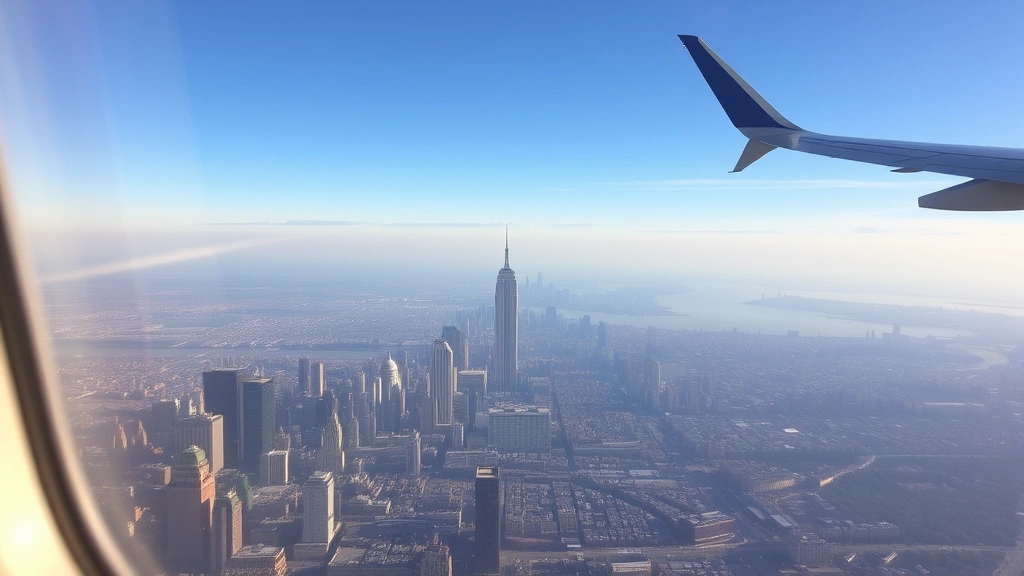
Westbound vs Eastbound Flight Times
One of the most interesting aspects of transatlantic travel is the significant difference between westbound and eastbound flight times. This phenomenon occurs due to the jet stream, a fast-moving air current in the upper atmosphere that typically flows from west to east across the Atlantic.
Westbound flights (London to NYC): When flying west against the jet stream, aircraft face stronger headwinds. This means planes are flying into wind resistance, which slows their ground speed. A typical westbound London to New York flight takes 7.5 to 8.5 hours. Some flights, particularly during winter months when the jet stream is strongest, can exceed 8.5 hours.
Eastbound flights (NYC to London): Flying east with the jet stream provides a significant advantage. Tailwinds push aircraft along, reducing flight time considerably. The same route in reverse typically takes only 6.5 to 7 hours. This means your return flight to London could be an hour shorter than your outbound journey, even though the distance is identical.
This difference is particularly important for business travelers and those concerned about jet lag. The shorter eastbound flight time means less time airborne on your return, though the time zone change still affects your circadian rhythm significantly.
Factors Affecting Your Flight Duration
Several variables influence how long your London to New York flight will actually take:
Weather and Wind Patterns: Beyond the jet stream, seasonal weather patterns affect flight times. Winter typically brings stronger jet streams and more variable conditions. Summer flights may experience different wind patterns. Storms or turbulent weather can cause aircraft to take alternative routes, adding time to your journey.
Aircraft Type: Different aircraft have different cruising speeds and fuel efficiency. Boeing 777s, Airbus A350s, and Boeing 787 Dreamliners are common on this route and have slightly different performance characteristics. Modern aircraft tend to be slightly faster and more efficient than older models.
Air Traffic Control Routing: Flight paths aren’t always direct. Air traffic control may assign routing that avoids congestion, military airspace, or weather systems. These routing changes can add 15-30 minutes to flight time. The North Atlantic Tracks (NAT) system, which organizes transatlantic traffic, assigns specific routes based on current conditions and traffic volume.
Departure and Arrival Delays: While not affecting actual airtime, these significantly impact your total travel time. Ground delays due to weather, mechanical issues, or congestion can add substantial time to your journey. Arriving at the airport early, as recommended, also extends your total travel time.
Airport Congestion: London Heathrow and New York JFK are among the world’s busiest airports. During peak hours, you may experience delays getting to the runway or in the holding pattern before landing. Newark and Gatwick may offer slightly faster ground operations.
Major Airlines Operating This Route
Several carriers operate frequent service between London and New York, and flight times can vary slightly between airlines based on their specific routing and aircraft:
British Airways operates multiple daily flights from London Heathrow and Gatwick to New York’s three major airports. Their flights typically range from 7.5 to 8 hours westbound. BA is known for their experience on this route and often has competitive pricing.
Virgin Atlantic offers daily service from London Gatwick to Newark and JFK with flight times comparable to British Airways. Virgin Atlantic has developed a strong reputation for transatlantic service quality.
American Airlines operates this route from multiple London airports to NYC with connecting hub operations. Their direct flights typically match industry standard flight times.
United Airlines provides frequent service on this route and operates modern aircraft like the Boeing 787 Dreamliner, which can be slightly more efficient on long-haul routes.
When comparing airlines for your London to New York journey, consider consulting our guide on best airlines for long flights to understand which carriers excel at passenger comfort on extended journeys. You might also find our article on best times to book airline tickets helpful for securing the best fares.
If you’re traveling with a group, our guide on how to book flight for multiple people can streamline the booking process and potentially unlock group discounts.
Jet Lag and Time Zone Considerations
While flight time tells you how long you’ll be airborne, the time zone difference creates additional considerations for your body and schedule. London operates on Greenwich Mean Time (GMT) or British Summer Time (BST), while New York uses Eastern Standard Time (EST) or Eastern Daylight Time (EDT).
The time difference is typically 5 hours, with New York behind London. A flight departing London at 10:00 AM, taking 7.5 hours, arrives in New York at 12:30 PM the same day (local time). This means you’ve lost 5 hours to the time zone change, so your body experiences this as arriving very late in the day despite the clock showing mid-afternoon.
Jet lag affects westbound travelers more severely than eastbound travelers. Flying west requires your body to adjust to a later sunset and longer day. Most travelers need 2-3 days to fully adjust to westbound transatlantic travel. Eastbound flights are generally easier to adjust to, as your body is shortening its day, which aligns better with natural sleep patterns.
Managing jet lag strategies: Start adjusting your sleep schedule 2-3 days before departure. On westbound flights, stay awake during the flight and sleep after arriving. Stay hydrated, avoid excessive alcohol, and try to get morning sunlight exposure in New York to reset your circadian rhythm. Some travelers find melatonin supplements helpful, though you should consult healthcare providers before using them.
Tips for Comfortable Long-Haul Flying
A 7-8 hour flight requires strategic planning for comfort. Here are expert recommendations for making your London to New York journey more pleasant:
Seat Selection: Consider paying for premium economy or business class if your budget allows. Exit row seats in economy provide extra legroom. Window seats offer a wall to lean against, while aisle seats provide easier bathroom access. Avoid seats near the galley or lavatories due to noise and foot traffic.
Clothing and Preparation: Wear loose, comfortable clothing. Compression socks can help prevent blood clots on long flights. Bring an eye mask, neck pillow, and noise-canceling headphones. Pack a thin sweater, as cabin temperatures vary.
In-Flight Hydration and Nutrition: Drink water consistently throughout the flight. Avoid excessive caffeine and alcohol, which dehydrate your body. Eat light meals rather than heavy food. Most airlines provide meals on transatlantic flights, but bringing healthy snacks gives you control over your nutrition.
Movement and Exercises: Get up every 2-3 hours to walk the aisles. Do simple stretches at your seat: neck rolls, shoulder shrugs, and ankle circles. These movements improve circulation and reduce the risk of deep vein thrombosis.
Entertainment and Mental Engagement: Download books, podcasts, or movies before your flight in case airline WiFi is unreliable. Modern aircraft have excellent in-flight entertainment systems, but having backup entertainment prevents boredom on long flights.
Luggage Considerations: Check our detailed guide on airline luggage size restrictions to avoid surprises at check-in and ensure you pack efficiently for your journey.
Booking and Scheduling Your Flight
Understanding flight times helps you make strategic booking decisions. Consider these factors when planning your London to New York trip:
Departure Times: Morning departures from London (8-11 AM) are popular but often more expensive. Evening departures (6-9 PM) can be cheaper and arrive in New York in the evening, allowing you to sleep after arrival. Overnight flights departing late evening arrive early morning in New York, useful for maximizing your first day but requiring sleep on the flight.
Connection Strategy: While direct flights are fastest, connecting flights through other cities might offer better prices or schedules. However, adding a connection adds 2-4 hours to your total journey. For most travelers, the time saved by flying direct outweighs the cost difference.
Return Flight Timing: Remember that your return flight will be about an hour shorter. If you depart NYC at 6 PM, you’ll arrive in London around 5 AM the next morning (due to the time zone change and shorter flight time). Plan your final days accordingly.
Day of Week Considerations: Mid-week flights (Tuesday-Thursday) are often cheaper than weekend flights. However, they may have different traffic patterns affecting punctuality. Avoid traveling on Fridays if you’re price-sensitive, as these flights command premium prices.
For comprehensive booking strategies, explore our Sky Voyage Hub Blog for additional travel planning resources and expert insights. You can also reference similar long-haul route information in our article about LAX to Houston flights for additional perspective on domestic long-haul planning.
FAQ
What is the shortest possible flight time from London to New York?
The shortest recorded flight times are approximately 6 hours and 45 minutes to 7 hours on eastbound flights (NYC to London) with favorable jet stream conditions. Westbound flights rarely achieve times shorter than 7 hours due to headwinds. These shortest times occur under ideal conditions with minimal air traffic control routing adjustments.
Do budget airlines fly from London to New York?
No major budget carriers currently operate transatlantic service from London to New York. All airlines on this route are full-service carriers (British Airways, Virgin Atlantic, American Airlines, United Airlines) that include meals, checked baggage, and entertainment in their fares. Budget airlines focus on European and regional routes where their model is most profitable.
Can I fly from London to New York without stopping?
Yes, multiple airlines operate non-stop flights from London to New York. Direct flights are available daily from London Heathrow, Gatwick, and Stansted to New York’s JFK, Newark, and LaGuardia airports. Non-stop flights are the fastest option, typically taking 7-8.5 hours depending on direction and conditions.
What’s the best time of year to fly London to New York?
Late September through November and April through May typically offer good weather, reasonable prices, and comfortable travel conditions. Winter flights may experience longer flight times due to stronger jet streams, while summer flights are popular but expensive. These shoulder seasons balance cost, weather, and crowd factors.
How accurate are the published flight times?
Published flight times are generally accurate within 15-20 minutes for direct flights under normal conditions. However, weather, air traffic control routing, and airport congestion can cause variations. Actual flight times often match published times closely, but delays can occur at any stage of your journey. Airlines typically publish conservative estimates to ensure on-time performance statistics.
Is the London to New York route affected by seasonal time changes?
Yes, both the UK and US observe daylight saving time, though on different dates. The UK typically changes in late March and late October, while the US changes in mid-March and early November. During the weeks when one region has changed and the other hasn’t, the time difference temporarily becomes 4 or 6 hours instead of the usual 5 hours. This affects your arrival times and jet lag management slightly during those transition weeks.
What documents do I need for a London to New York flight?
US entry requirements for UK citizens include a valid passport (valid for at least 6 months beyond your stay) and typically an approved ESTA (Electronic System for Travel Authorization) for visa-free travel. Check official US State Department and UK Foreign Office websites for current requirements, as these can change. Non-UK EU citizens have different requirements, and you should verify specific documentation needed for your nationality.