Cheapest Philly-Pittsburgh Flights: Expert Guide to Saving Money
Flying between Philadelphia and Pittsburgh is one of the most frequently traveled routes in Pennsylvania, connecting two major metropolitan areas just 300 miles apart. Whether you’re traveling for business, visiting family, or exploring Steel City attractions, finding affordable Philadelphia to Pittsburgh flights requires strategy and timing. This comprehensive guide reveals insider tips, booking strategies, and practical advice to help you secure the best fares on this popular route.
The Philadelphia International Airport (PHL) to Pittsburgh International Airport (PIT) corridor offers multiple daily flights with several carriers competing for your business. This competition creates opportunities for savvy travelers who know when and how to book. From understanding seasonal pricing patterns to leveraging loyalty programs, we’ll cover everything you need to know to minimize your airfare costs while maximizing your travel experience.
Best Airlines for Philly-Pittsburgh Routes
Several major carriers operate on the Philadelphia to Pittsburgh corridor, each offering different pricing structures and service levels. Southwest Airlines dominates this route with frequent daily flights and competitive pricing. Their checked bag allowance and no change fees policy make them particularly attractive for budget-conscious travelers. You can compare their offerings with our guide on best airlines for long flights to understand how they stack up across different travel categories.
American Airlines operates this route with multiple daily flights, leveraging their hub at Philadelphia International Airport. As the largest carrier at PHL, American often offers connecting options if direct flights don’t fit your schedule. Their frequent flyer program can provide significant savings if you accumulate miles regularly. United Airlines also serves this market with competitive fares, particularly for early morning and late evening departures.
Budget carrier Frontier Airlines occasionally offers promotional fares on this route, though their basic economy fares come with strict baggage limitations. Allegiant Air provides ultra-low fares but charges separately for carry-on bags, seat selection, and priority boarding. Before choosing based on price alone, calculate total costs including fees. Discover more strategies in our article about how to find cheap airline tickets which applies valuable principles to domestic routes as well.
Optimal Booking Times and Strategies
Timing your booking significantly impacts the price you’ll pay for Philadelphia to Pittsburgh flights. Research consistently shows that booking 1-3 months in advance typically yields the best fares on short-haul domestic routes. For the Philly-Pittsburgh route specifically, Tuesday and Wednesday departures frequently offer lower prices than Friday and Sunday flights, which see higher business and leisure demand.
The best times to book airline tickets follows specific patterns worth understanding. Avoid booking immediately after a price drop announcement, as competitors quickly match fares. Instead, set up price alerts on major travel sites like Google Flights, Kayak, and Skyscanner to track price movements over weeks. Early morning departures (6-8 AM) and late evening flights (after 7 PM) consistently offer 15-25% discounts compared to mid-day options.
Flexibility with your travel dates can yield dramatic savings. If you can shift your trip by even one day, you might save $50-150 per ticket. Mid-week travel (Tuesday through Thursday) offers the lowest fares, while weekend travel commands premium prices. Business travelers often book Friday afternoon returns, creating high demand and elevated prices for those specific flights.
Seasonal Pricing Patterns Explained
Understanding seasonal variations helps you plan travel during cheaper periods. Summer months (June-August) see elevated fares due to vacation travel and family trips. Pittsburgh’s cultural events, including concerts and festivals, drive summer demand higher. Spring break period (mid-March to early April) also commands premium pricing.
Fall (September-October) offers some of the best fares on this route, with moderate weather and fewer school holidays driving travel. January and early February represent the absolute cheapest booking window, as post-holiday travel demand plummets and airlines offer aggressive promotional fares. Thanksgiving week (Wednesday-Sunday) sees skyrocketing prices, with some tickets doubling compared to regular rates.
Winter weather occasionally forces flight cancellations and rebookings, creating volatility. However, flights booked well in advance during winter months (excluding holiday periods) often feature surprisingly low prices. Philadelphia’s winter weather is generally more stable than northern routes, making Philly-Pittsburgh flights relatively reliable even in cold months.
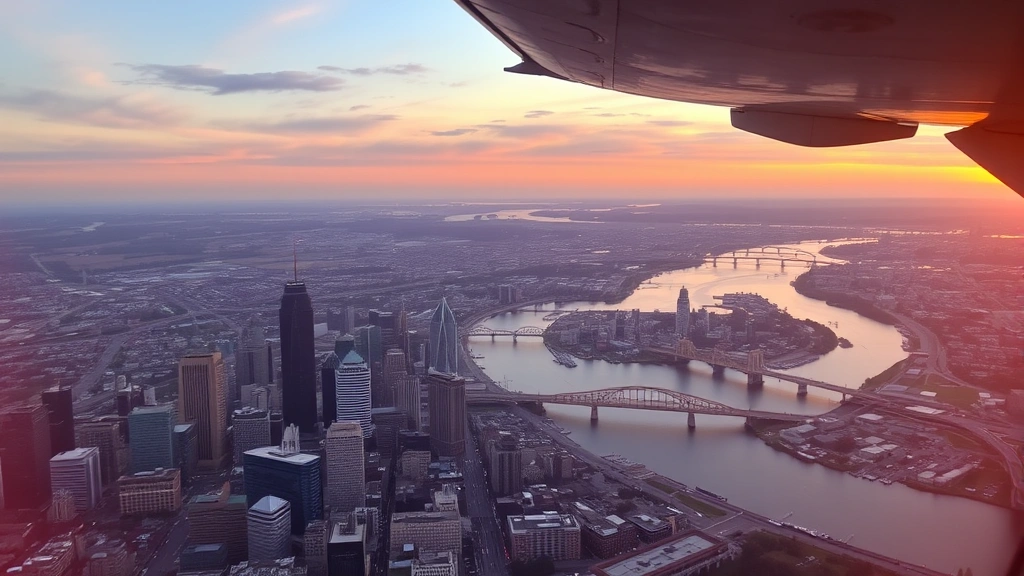
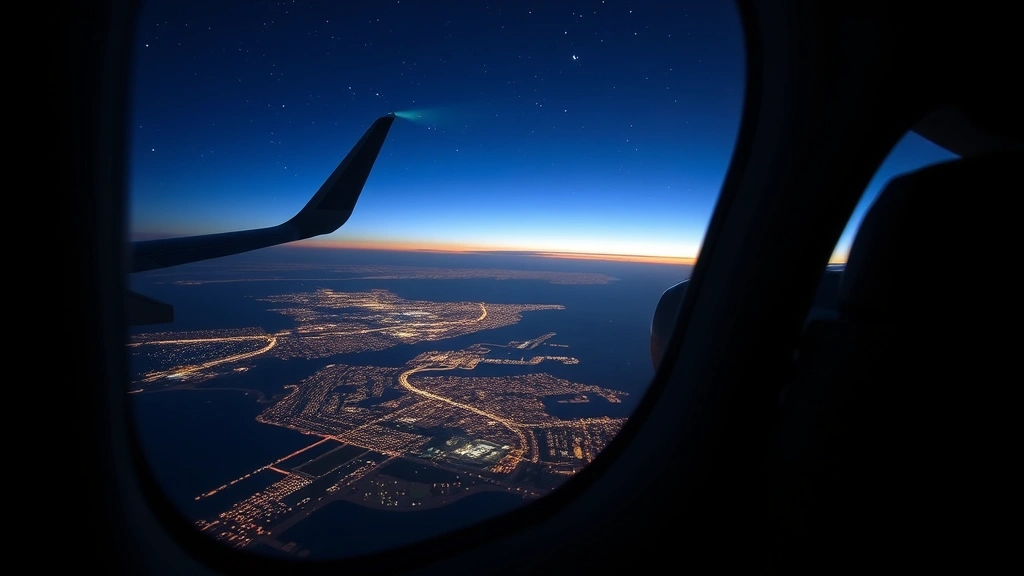
” alt=”Aerial view of Pittsburgh skyline with rivers and bridges visible from aircraft window during sunset” style=”width: 100%; max-width: 600px; height: auto;”>
Money-Saving Booking Tactics
Implement these proven strategies to consistently find cheaper flights. Clear your browser cookies before searching for flights, as some airlines track repeat searches and may increase prices for users showing high interest. Use private browsing mode or clear cookies between searches to prevent dynamic pricing adjustments.
Set up price alerts across multiple platforms simultaneously. Google Flights, Kayak, and Skyscanner offer free alerts that notify you when fares drop below your target price. Set alerts for $80-100 round-trip fares on this route, which represents excellent value for the distance. Compare round-trip versus one-way fares separately, as occasionally booking each leg independently costs less than purchasing a round-trip ticket.
Join airline loyalty programs before booking. Signing up for Southwest Rapid Rewards, American Airlines AAdvantage, or United MileagePlus is free and immediately qualifies you for promotional fares and bonus miles. These programs often offer email-exclusive deals to members. Use credit card rewards strategically—airline-branded credit cards often provide sign-up bonuses worth $100-200 in free flights.
Book directly with airlines when promotional fares appear. While travel sites offer convenience, airline websites sometimes feature exclusive deals. Consider flying during off-peak hours like red-eye departures or very early morning flights. A 6 AM departure from Philadelphia might cost $40-60 less than a 10 AM flight on the same day.
Budget Airlines vs Full-Service Carriers
The choice between budget and full-service carriers depends on your priorities and total cost calculations. Southwest Airlines blurs the budget-carrier line by including two checked bags and offering free changes without penalties. Their fares are competitive, and you won’t encounter surprise fees for standard travel needs. For most Philly-Pittsburgh travelers, Southwest represents excellent value.
Full-service carriers like American and United offer perks including priority boarding, lounge access for elite members, and included seat selection. If you have status from frequent flying, these benefits can justify slightly higher fares. Their frequent flyer programs also accumulate miles faster than budget carriers, valuable if you fly regularly.
Ultra-low-cost carriers like Frontier and Allegiant advertise rock-bottom fares but nickel-and-dime passengers for everything beyond basic transportation. A Frontier ticket at $49 might cost $89 after adding a carry-on bag, seat assignment, and payment processing fees. Calculate your complete cost before assuming budget carriers offer savings. Review our airline luggage size restrictions guide to understand baggage policies across carriers and calculate true costs accurately.
For the Philadelphia to Pittsburgh route, Southwest’s combination of low fares and included baggage typically outperforms ultra-low-cost carriers for most travelers. However, if you’re traveling with only a personal item and have flexibility, Frontier’s promotional fares can’t be beaten.
Hidden Costs to Consider
Beyond the headline fare, several hidden costs can inflate your final ticket price. Baggage fees vary dramatically—Southwest includes two checked bags, American charges $35-40 for the first checked bag, and Frontier charges for carry-on bags. A family of four checking luggage could pay $140-160 in baggage fees alone on budget carriers.
Seat selection fees range from free (Southwest, American basic economy) to $15-25 per flight on Frontier. Premium seat selection costs even more. Change fees matter for flexible travelers—most carriers charge $75-125 to modify flights, though Southwest and some promotional fares waive this fee. Payment processing fees occasionally appear on budget carriers, adding 2-3% to your total cost.
Parking and transportation costs at both airports affect your total trip expense. Philadelphia International Airport parking costs $15-25 daily in economy lots, while Pittsburgh International Airport charges $10-18 daily. Budget these costs when comparing flight prices across different airports or considering ride-sharing alternatives.
Travel insurance isn’t mandatory but protects against cancellations and disruptions. Expect to pay $15-30 per person for basic coverage on domestic flights. Given the relatively short distance and frequent flights on the Philly-Pittsburgh route, insurance becomes more valuable if you’re traveling during weather-prone seasons or have inflexible travel dates.
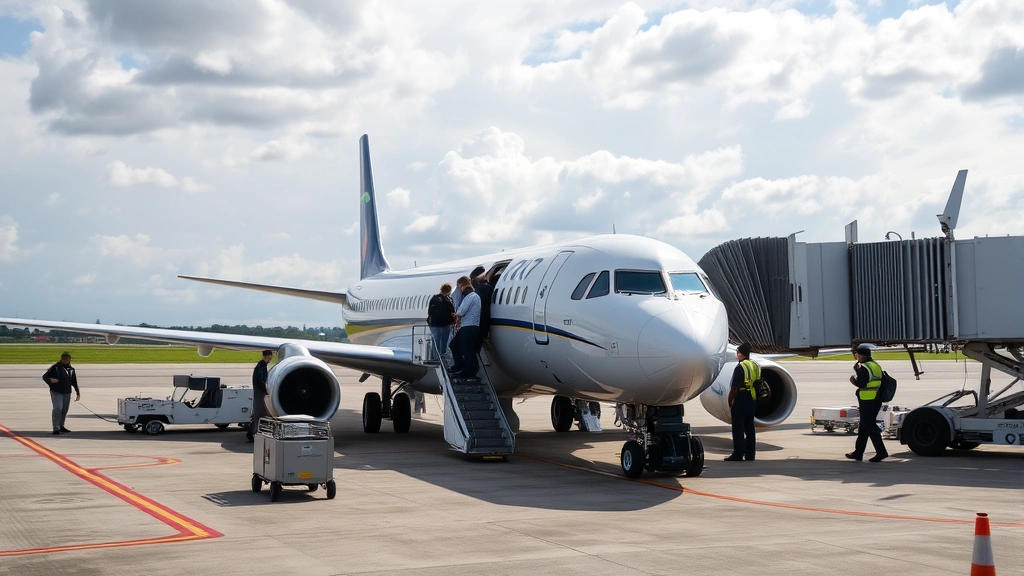
” alt=”Passengers boarding aircraft at gate with ground crew preparing for departure at regional airport” style=”width: 100%; max-width: 600px; height: auto;”>
FAQ
What’s the average price for Philadelphia to Pittsburgh flights?
Average round-trip fares range from $120-180 when booked 4-6 weeks in advance during off-peak seasons. Peak season fares (summer, holidays) typically cost $180-280 round-trip. Budget airlines occasionally offer fares as low as $49-79 one-way, though with added fees. Check current prices on Southwest Airlines, American Airlines, and United Airlines for real-time pricing.
How long does the flight take?
The flight duration is approximately 1 hour, making this one of the shortest commercial flights you can book. Ground time (boarding, taxi, deplaning) often exceeds actual flight time. Total travel time from leaving your house to arriving at your destination typically takes 4-5 hours when accounting for airport arrival, security, and ground transportation.
Is it cheaper to drive instead of fly?
Driving between Philadelphia and Pittsburgh takes 4.5-5 hours and costs $30-50 in gas depending on your vehicle. Adding parking costs and wear-and-tear, driving might cost $60-100 total. Flying costs $120+ but saves 8-10 hours of travel time round-trip. For business trips or time-sensitive travel, flying offers better value despite higher base cost. For leisure travelers without time constraints, driving can be economical.
What’s the best day of the week to fly this route?
Tuesday, Wednesday, and Thursday typically offer the lowest fares, with Wednesday being the absolute cheapest. Friday afternoon and Sunday evening flights command premium prices due to business travel and weekend leisure traffic. If flexibility exists in your schedule, shifting your trip to a mid-week departure can save 20-30% compared to weekend flights.
Can I find last-minute deals on this route?
Last-minute deals are unpredictable on short routes like Philly-Pittsburgh. Airlines rarely discount short-haul flights at the last minute since they fill quickly anyway. Advance booking (3-6 weeks) offers more consistent savings than waiting for last-minute deals. However, if you see a sudden price drop, book immediately as these deals fill within hours.
Which airport should I use in Philadelphia?
Philadelphia International Airport (PHL) is the primary airport, served by all major carriers. It’s located 15 miles southwest of downtown Philadelphia. For some travelers, flying from nearby Newark (EWR) or Baltimore (BWI) might offer cheaper fares, though you’ll spend extra on ground transportation. Generally, PHL offers the most convenient and competitive options for Philadelphia residents.
Are there alternative transportation options I should consider?
Yes, several alternatives exist. Amtrak Northeast Regional trains connect Philadelphia and Pittsburgh in approximately 9-10 hours, with fares ranging from $40-80. Megabus and Greyhound offer budget coach options for $30-60 but require 7-9 hours travel time. For business travelers or those valuing time, flying remains superior despite higher cost. For leisure travelers with flexible schedules, trains or buses can be economical and offer unique experiences.
Additional Resources: Check U.S. Department of Transportation for passenger rights information, Federal Aviation Administration for flight safety details, and Visit Pittsburgh for destination planning. For more booking strategies, explore our SkyVoyage Hub Blog for comprehensive travel insights.