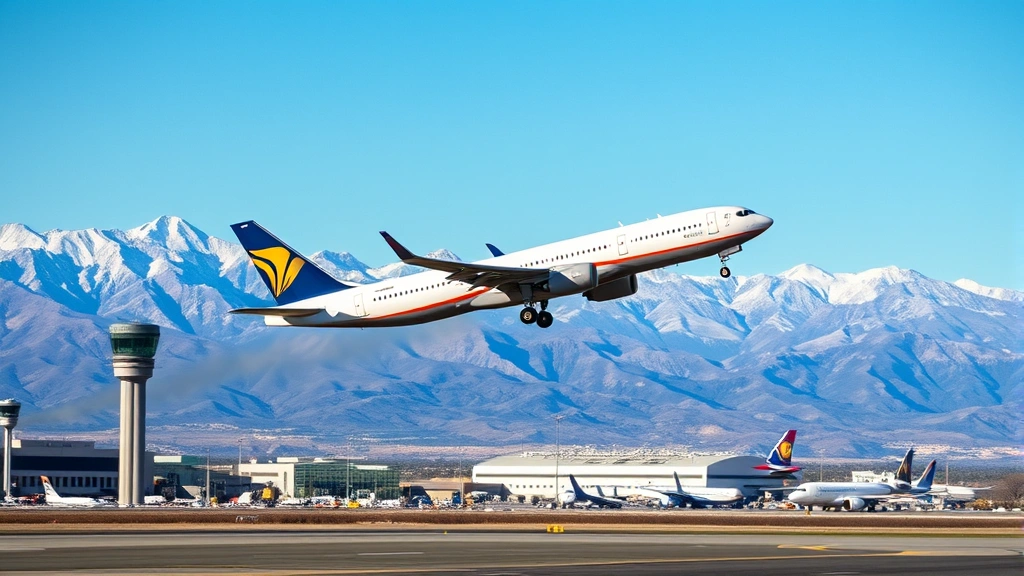
Reno to Vegas Flights: Expert Booking Tips for Maximum Savings
Flying from Reno to Las Vegas is one of the shortest and most frequent routes in the western United States, making it an ideal corridor for both leisure and business travelers. The distance of approximately 440 miles can be covered in just one hour of flight time, yet many travelers overpay for their tickets by not understanding the nuances of this particular market. Whether you’re heading to Vegas for a weekend getaway, attending a conference, or visiting family, knowing how to book smart can save you hundreds of dollars annually.
This comprehensive guide reveals insider strategies that airlines don’t want you to know about. From timing your purchases perfectly to leveraging lesser-known booking platforms, we’ll walk you through every step of securing the best possible fares on Reno to Las Vegas flights. The route between Reno-Tahoe International Airport (RNO) and Harry Reid International Airport (LAS) is highly competitive, which works in your favor as a savvy traveler.
Understanding the Reno-Vegas Flight Market
The Reno to Las Vegas corridor represents a unique aviation market characterized by high frequency and intense competition among carriers. Multiple airlines operate this route daily, typically offering 8-12 departures from Reno throughout the day. This high frequency creates natural price competition that benefits consumers willing to be flexible with their travel times.
Reno-Tahoe International Airport serves as a gateway not just to the casinos and entertainment of Las Vegas, but also as a convenient hub for travelers heading to other Nevada destinations. The short flight duration means minimal overhead costs for airlines, theoretically allowing for competitive pricing. However, demand patterns significantly influence actual fares you’ll encounter.
Understanding demand cycles is crucial. Summer months, particularly July and August, see peak pricing due to vacation travel and conventions in Las Vegas. Winter months, except around the holidays, typically offer the lowest fares. Weekend flights consistently cost more than weekday alternatives, sometimes by 30-50 percent. If you have flexibility in your travel dates, this knowledge alone can dramatically reduce your ticket costs.
The route’s proximity to ski season also affects pricing. During winter months when Lake Tahoe resorts operate at full capacity, flights from Reno may be more expensive on weekends as tourists travel to the region. Conversely, shoulder seasons (spring and fall) often provide the sweet spot for affordable travel with decent weather.
Best Times to Book Your Flight
Contrary to popular belief, booking exactly 6 weeks in advance isn’t always optimal for every route. For the Reno to Vegas flight, research suggests booking 2-4 weeks in advance typically yields the best prices. This window allows you to secure seats before demand spikes without booking so far ahead that you’re paying premium prices for advance purchases.
The day of the week matters significantly when booking. Tuesday through Thursday mornings represent the optimal booking window, as airlines adjust pricing based on weekend demand patterns. Tuesday mornings specifically see many airlines releasing sales and adjusting their inventory pricing. Setting up price alerts on multiple platforms ensures you catch these drops automatically.
Time of day also influences pricing. Early morning bookings (6 AM – 10 AM) often show lower fares than evening bookings (5 PM – 11 PM). This phenomenon relates to how airline revenue management systems operate, updating prices based on overnight demand data. Clearing your browser cookies before searching ensures you see true pricing rather than algorithmically inflated rates based on your search history.
Avoid booking on Fridays and Sundays, when leisure travelers are actively searching and pushing prices higher. Weekend flights themselves are expensive, but booking them on weekends makes it worse. If you must travel on a weekend, book it midweek when demand for weekend travel is lower.
Airlines Operating This Route
Southwest Airlines dominates the Reno to Las Vegas market with the highest frequency of flights and competitive pricing. Their point-to-point model and lack of baggage fees make them particularly attractive for this short hop. Southwest typically operates 4-6 daily flights on this route, providing flexibility for schedule adjustments.
Delta Air Lines, United Airlines, and Alaska Airlines also maintain regular service on this corridor. Each carrier brings different advantages: Delta offers superior frequent flyer benefits for premium members, United provides strong connectivity options, and Alaska delivers excellent customer service and competitive regional pricing. Comparing these carriers requires looking beyond base fares to consider your loyalty program status and baggage policies.
Spirit Airlines and Frontier Airlines occasionally compete on this route with ultra-low fares, but their baggage and seat selection fees can quickly eliminate apparent savings. For a one-hour flight, these carriers might make sense if you’re traveling with only a personal item, but families and those with luggage often pay more overall.
When booking, check the best airlines for long flights to understand service quality across carriers. While this route is short, airline quality still matters, especially if you’re connecting through Las Vegas to another destination. Airlines key information and tips for travelers provides additional context for making informed carrier selections.
Each airline maintains different loyalty program benefits. If you’re a frequent flyer on a specific carrier, booking with them might earn valuable miles even if the base fare isn’t the absolute lowest. Calculate the value of earned miles against the fare difference to make truly informed decisions.
Comparing Prices Across Platforms
Using only one booking platform leaves money on the table. Major options include Google Flights, Kayak, Skyscanner, Expedia, and airline websites directly. Each platform accesses different inventory and sometimes displays fares differently. Google Flights excels at showing price trends over time, helping you identify when to book. Kayak and Skyscanner are excellent for comparing across multiple airlines simultaneously.
Airline websites often display fares unavailable on third-party sites, particularly for sales and promotional pricing. Southwest Airlines, for example, frequently runs sales accessible only through their website. Setting up email alerts through individual airline sites ensures you catch these deals before they’re gone.
Be cautious of price discrepancies between platforms. Sometimes third-party sites show lower fares that include hidden fees not visible until checkout. Always verify the final total before committing, including taxes, fees, and baggage charges. Occasionally, booking directly through the airline costs slightly more upfront but saves money through better baggage policies or easier modification options.
Incognito browsing prevents dynamic pricing from inflating your search results. Airlines and travel sites use cookies to track repeat searches and may increase prices for users showing high purchase intent. Using private/incognito mode for each search ensures you see base pricing.
Price comparison tools like Hopper provide predictive analysis suggesting whether to book now or wait. For the Reno to Vegas route with its relatively short booking window, these tools prove particularly useful in identifying the optimal purchase moment within your specific travel dates.
Money-Saving Strategies
Flexibility is your greatest weapon in securing cheap flights. Being willing to fly on Tuesday instead of Friday can reduce your fare by 40-60 percent. If you can choose your departure time, morning flights (6 AM – 9 AM) and late evening flights (9 PM – 11 PM) consistently price lower than mid-day options.
Consider flying into or out of different nearby airports. While Las Vegas primarily uses Harry Reid International, this route from Reno is direct and competitive. However, understanding SkyVoyage Hub Blog articles about airport strategies can reveal alternative routing options if you’re flexible on your exact destination.
Bundle bookings strategically. Some platforms offer discounts when booking flights and hotels together, though you should calculate whether the discount genuinely saves money compared to booking separately. For this short flight, the savings are typically modest unless you’re booking a longer hotel stay.
Accumulate airline miles through credit cards and loyalty programs, then use them strategically on this route. Since the flight is short and frequently available, you can be selective about which redemptions offer the best value. A one-hour flight might require 5,000-7,500 miles, depending on the airline and season.
Book round-trip flights rather than one-ways when possible. The round-trip pricing structure often costs less than two separate one-way bookings, sometimes significantly. However, verify this for each search, as pricing algorithms vary.
Take advantage of price drop protection. Many credit cards and travel insurance options reimburse the difference if airfare drops after purchase. This allows you to book with confidence rather than waiting for the perfect moment.
Airport Navigation Tips
Reno-Tahoe International Airport is significantly smaller than Las Vegas’s Harry Reid International, which influences your travel experience. Reno’s compact size means shorter security lines and faster baggage claim, but also fewer dining and retail options. Arrive 90 minutes before domestic departure rather than the standard 2 hours.
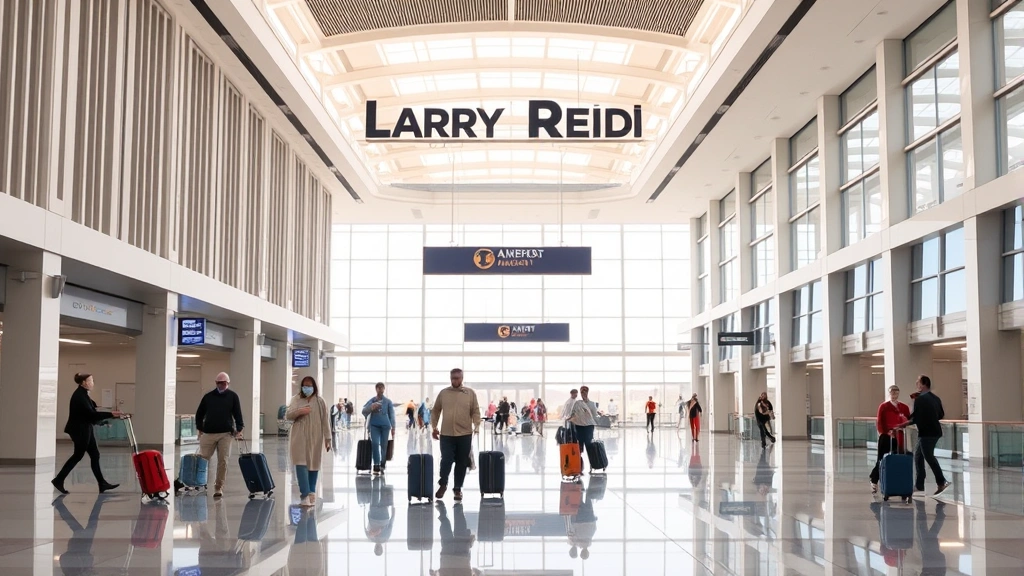
Harry Reid International has undergone significant renovations, with modern facilities throughout the airport. Allow extra time to navigate the newer layout if you’re unfamiliar with it. The airport’s size means more distance between gates, particularly for flights departing from terminals serving regional carriers.
Both airports offer TSA PreCheck enrollment centers if you’re interested in expediting security screening on future flights. For a one-hour flight, TSA PreCheck provides less benefit than on longer routes, but it still saves 10-15 minutes per airport visit.
Parking at Reno-Tahoe International is reasonably priced compared to other western airports, making it economical to drive and park rather than arrange ground transportation. Long-term parking rates run approximately $8-10 daily, competitive with ride-sharing costs for single travelers.
At Harry Reid International, ride-sharing pickup has been relocated to dedicated areas outside the terminal. Allow 5-10 minutes to reach the pickup zone from baggage claim. Alternatively, the airport’s ground transportation options include rental cars, taxis, and shuttle services with varying price points.
Alternative Travel Options
For travelers with maximum flexibility, driving between Reno and Las Vegas is viable, taking approximately 7-8 hours depending on route and traffic. This makes sense only if you’re traveling with multiple people and want to save on airfare, as fuel and vehicle wear costs add up. The scenic drive through Nevada deserts appeals to some travelers prioritizing the journey over speed.
Amtrak doesn’t serve this route directly, though it does connect to both cities on different lines. Bus services like Greyhound offer budget alternatives requiring 8-10 hours of travel time, appealing mainly to budget-conscious solo travelers without luggage restrictions.
For frequent travelers on this route, exploring elite frequent flyer status with one airline provides benefits outweighing occasional savings from booking with different carriers. Priority boarding, free baggage, and lounge access on short flights deliver convenience that low fares can’t match.
Check with your employer or professional associations about negotiated airline rates. Some organizations maintain contracts with specific carriers offering discounted fares for members. These rates sometimes beat publicly available prices, especially on regular routes like Reno to Vegas.
Corporate travel programs through companies like American Express Global Business Travel or Concur often provide access to negotiated fares unavailable to general public. If you travel frequently for business, inquiring about your company’s travel program could unlock substantial savings.
Booking Directly vs. Third-Party Sites
Booking directly through airline websites offers distinct advantages despite sometimes showing higher base fares. Direct bookings allow unlimited free modifications, immediate notification of schedule changes, and direct access to customer service if problems arise. For third-party bookings, you’re dependent on the booking site’s customer service, which can be frustrating during flight disruptions.
Third-party sites occasionally offer genuine discounts through partnerships with airlines or volume purchasing. However, the convenience and protection of direct booking often outweigh modest savings. Calculate the true cost including any service fees that third-party sites charge.
Some airlines like Southwest don’t sell through third-party booking sites, forcing direct booking. This actually simplifies the decision and often results in better pricing since you’re not competing with third-party inventory.
If booking through a third-party site, ensure they’re reputable and check their refund and modification policies before purchasing. Some sites have poor reputations for handling changes or refunds, potentially costing you more in the long run.
Luggage and Baggage Strategies
For a one-hour flight, packing carry-on only saves the most money. Southwest offers two free checked bags, making them ideal if you must check luggage. Delta, United, and Alaska typically charge $35-40 for the first checked bag, significant for short-haul flights where the ticket itself might be $80-120.
If you’re a frequent traveler, elite status or credit card benefits waiving baggage fees quickly pay for themselves. A $95 annual airline credit card that waives baggage fees saves money after just three checked bags.
Oversized carry-on luggage sometimes triggers gate-checking fees if the plane is full. For this route, gate-checking is relatively uncommon since planes are typically smaller regional jets, but it’s still a risk with large luggage. Pack strategically to ensure your bag fits overhead bins.
Baggage fees vary by airline and ticket class. Basic economy fares sometimes exclude checked baggage even with airlines that normally allow it free. Verify baggage allowances during booking, not after purchase.
Seasonal Pricing Patterns
Understanding seasonal pricing helps you travel during cheaper periods or book further in advance during expensive seasons. January through March and September through November typically offer the lowest fares, with September being particularly affordable as summer vacation ends and holiday travel hasn’t begun.
April, May, and June see moderate pricing increases as spring and early summer travel begins. July and August represent peak pricing due to family vacations and conventions in Las Vegas. Thanksgiving and Christmas weeks are extremely expensive, sometimes 2-3 times the lowest fares.
New Year’s period, Super Bowl week, and major Las Vegas events (major concerts, sporting events) significantly increase fares. If you’re traveling during these windows, book further in advance and be more flexible with dates to find reasonable prices.
Monitor airline price trends over several weeks to identify patterns specific to your travel dates. Google Flights’ price history feature shows how fares for your specific dates have fluctuated over the past months, helping predict future movement.

FAQ
How much does a typical flight cost from Reno to Las Vegas?
Reno to Las Vegas flights typically range from $60-$150 for basic economy fares, depending on season, how far in advance you book, and which day of the week. Peak season and weekend flights can reach $200-300, while off-peak midweek flights might be available for $50-80. Always compare across multiple platforms to find current pricing for your specific dates.
What’s the flight duration from Reno to Vegas?
Flight time is approximately one hour, with the actual flight lasting 55-65 minutes depending on winds and exact routing. Add 30-45 minutes for boarding and deplaning, making total airport-to-airport time about 1.5-2 hours.
Which airlines offer the most flights on this route?
Southwest Airlines operates the most frequent service with typically 4-6 daily departures. Delta, United, and Alaska also maintain regular service with 1-3 daily flights each. Checking each airline’s schedule directly reveals current availability.
Can I get a refund if I cancel my flight?
Refund policies vary significantly by airline and ticket type. Most airlines allow free cancellations with 24 hours notice for refundable fares, but basic economy fares often have strict change/cancellation restrictions. Always review the specific fare rules before purchasing.
Is it cheaper to drive or fly from Reno to Vegas?
For a single traveler, flying is typically cheaper when accounting for fuel, vehicle wear, and parking. For groups of 3-4 people, driving becomes more economical. The 7-8 hour drive is worth considering if you have scheduling flexibility and want to save money traveling with others.
What time of year has the cheapest flights?
September through November and January through March offer the lowest fares. September is particularly affordable. Avoid July-August, Thanksgiving week, and December 20-January 2 if seeking budget flights. Midweek flights cost significantly less than weekend departures year-round.
How early should I arrive at the airport?
For domestic flights, arrive 90 minutes before departure at Reno-Tahoe. At Las Vegas’s larger Harry Reid International, arriving 2 hours early is safer to account for longer security lines, though 90 minutes often suffices during non-peak hours.


