Cheapest Flights Seattle-Austin: Expert Insights & Booking Tips
Finding affordable flights from Seattle (SEA) to Austin (AUS) requires strategy, timing, and insider knowledge. Whether you’re traveling for business, leisure, or visiting friends, this comprehensive guide reveals proven methods to secure the lowest fares on this increasingly popular route. The Seattle-to-Austin corridor has become more competitive in recent years, with multiple carriers offering various price points. Understanding how to navigate this market can save you hundreds of dollars on your next booking.
Austin’s vibrant tech scene, live music venues, and outdoor attractions make it a magnet for Pacific Northwest travelers. Seattle’s proximity to major airports and Austin’s growing hub status mean more flight options than ever before. However, more choices don’t automatically mean better prices—you need to know where to look and when to book. This guide combines expert travel insights with practical booking strategies to help you find genuinely cheap flights rather than settling for mediocre deals.
Best Time to Book Seattle to Austin Flights
Timing your booking is crucial for securing the cheapest fares. Research consistently shows that booking 1-3 months in advance offers optimal pricing for domestic flights like Seattle-Austin. However, this route has nuances worth understanding. Unlike some ultra-competitive markets, the Seattle-Austin corridor sometimes offers last-minute deals when airlines need to fill seats, particularly on Tuesday and Wednesday departures.
The sweet spot for this specific route typically falls on Tuesday through Thursday, with Wednesday often featuring the lowest average fares. Avoid booking on Friday, Saturday, or Sunday when leisure travelers dominate search patterns and prices spike accordingly. Early morning departures (5am-8am) and late evening flights (9pm-11pm) consistently cost less than mid-morning or afternoon options. Most travelers prefer convenient times, creating natural price premiums for premium slots.
According to expert insights on booking timing, clearing your browser cookies and using incognito mode prevents dynamic pricing algorithms from tracking your searches and incrementally raising fares. Airlines monitor search history to identify price-sensitive customers and may adjust quotes accordingly.
Airlines & Fare Comparison
The Seattle-Austin route is served by multiple carriers, each with distinct pricing strategies and service models. Southwest Airlines dominates this corridor with frequent daily flights, typically offering competitive prices and included baggage. Their no-frills approach appeals to budget-conscious travelers, though premium cabin options add cost. United Airlines operates several daily flights with various cabin classes, often pricing higher than Southwest but offering more frequent flyer benefits.
American Airlines provides additional competition with connections through Dallas/Fort Worth, sometimes undercutting direct flight prices. Budget carriers like Spirit and Frontier occasionally appear in search results with ultra-low base fares, but ancillary charges for seat selection, carry-ons, and checked bags can eliminate apparent savings. When comparing fares, always calculate total cost including mandatory fees rather than focusing solely on headline prices.
Delta Air Lines rounds out major carriers on this route, typically positioned in the mid-to-premium price range. Their Seattle hub status occasionally yields competitive fares, particularly for connecting passengers. For detailed analysis of airline quality and service standards, review our guide on best airlines for long flights to understand how service quality correlates with pricing.
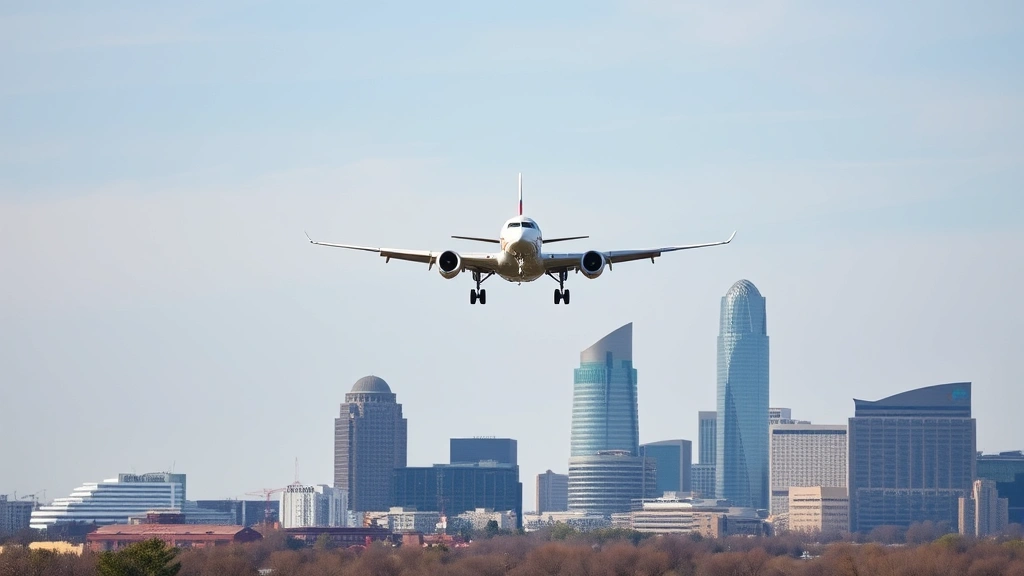
” alt=”Modern commercial aircraft taking off from Seattle-Tacoma International Airport at sunrise”>
Booking Strategies That Save Money
Price tracking tools revolutionize how savvy travelers approach flight searches. Google Flights, Hopper, and Kayak allow setting price alerts for your specific route. Once you establish your baseline, these tools notify you when fares drop, enabling informed booking decisions. Set alerts 2-3 months before your intended travel date and monitor trends rather than immediately purchasing at the first reasonable price.
Flexibility dramatically impacts final costs. If your travel dates allow variation, searching a full week of possibilities reveals significant price disparities. A flight on Tuesday might cost $120 less than the same route on Friday. Some travelers find success booking one-way tickets separately when connecting flights offer better combined pricing than traditional round-trip bookings. This unconventional approach requires careful attention to layover times and baggage policies but occasionally yields savings exceeding 20%.
Clearing your search history and using different browsers or devices prevents airlines from recognizing repeat searches on your route. While dynamic pricing algorithms don’t punish searchers as aggressively as popular myth suggests, repeated searches from the same device occasionally trigger minor price increases. Incognito browsing eliminates this variable entirely.
Consider booking from airline websites directly rather than third-party aggregators. Major carriers occasionally offer exclusive deals to website visitors, and you maintain direct control over changes and cancellations. Our comprehensive guide on booking flights for multiple people covers group booking strategies that sometimes unlock better pricing for parties of three or more.
Direct vs. Connecting Flights
The Seattle-Austin route offers both direct and connecting options, with pricing varying significantly. Southwest, United, and American operate direct flights, typically commanding premium prices for convenience. Connecting flights through Denver, Dallas, or Phoenix often cost $50-150 less, making them attractive for flexible travelers. However, layover duration matters critically—a 3-hour connection in Denver differs vastly from a 90-minute turnaround in Dallas.
Direct flights appeal to business travelers and those minimizing hassle, but leisure travelers can leverage connections effectively. Red-eye flights with connections sometimes offer exceptional value, particularly when routing through secondary hubs rather than major airline centers. A Seattle-Austin connection through Oklahoma City might cost significantly less than direct flights or standard hub routings.
Factor total travel time when evaluating connecting options. A 2-hour direct flight plus ground transportation might take 4-5 hours total. A connecting flight with layover could require 6-7 hours but cost substantially less. For budget-conscious travelers with flexible schedules, the trade-off often proves worthwhile. Evaluate true door-to-door timing rather than pure flight duration when comparing options.
Seasonal Price Patterns
Understanding seasonal demand shapes smarter booking decisions. Austin’s peak travel season runs March-May (SXSW festival influence) and September-November (pleasant weather, fewer crowds than summer). During these periods, expect 15-25% price premiums compared to shoulder seasons. June-August brings summer vacation demand, driving prices upward, though early June sometimes offers transitional pricing before peak season fully hits.
January and February represent genuine bargain seasons, with demand depressed by post-holiday travel fatigue and winter weather concerns. December offers mixed pricing—early December before holidays remains reasonable, but mid-December through December 23rd commands premium rates. December 26-31st occasionally features surprising deals as holiday travelers have already booked.
Austin’s tech events and festivals influence pricing dramatically. SXSW (mid-March) transforms Austin into a traveler’s destination, with flights sometimes doubling or tripling in price. Formula 1 racing (October) similarly impacts availability and pricing. Avoiding these events unlocks substantial savings. Check Austin tourism calendars when planning flexible trips to identify price-friendly windows.
Airport Alternatives
Seattle-Tacoma International Airport (SEA) dominates Seattle departures, but exploring alternatives occasionally yields savings. Spokane International Airport (GEG), 280 miles northeast, sometimes offers cheaper fares to Austin, though ground transportation costs can offset savings. Bellingham International Airport (BLI), 90 miles north, occasionally features competitive pricing for Seattle-area residents willing to drive shorter distances.
On the Austin end, Austin-Bergstrom International Airport (AUS) remains the primary option, though Dallas/Fort Worth International Airport (DFW), 195 miles north, sometimes offers significantly cheaper flights. Ground transportation via rental car or bus service can cost $50-100 but might justify the effort for substantial airfare savings. Dallas also provides access to multiple airlines and competitive pricing due to American Airlines hub status.
Regional airports near Seattle occasionally feature promotions targeting underutilized routes. Setting up price alerts for multiple departure airports reveals opportunities that single-airport searches miss. Travel aggregators like Kayak and Google Flights allow searching multiple airports simultaneously, streamlining this comparison process.
” alt=”Passengers boarding aircraft at gate with Austin skyline visible through terminal windows”>
Hidden Fees & What to Watch For
Understanding total cost requires scrutinizing beyond headline fares. Southwest includes two checked bags free, a significant advantage when luggage fees apply elsewhere. United charges $35-45 for first checked bags on basic economy fares, escalating to $70+ for second bags. American Airlines implements similar policies, making carry-on-only travel essential for budget optimization on these carriers.
Seat selection fees range from free (Southwest) to $15-25 (United, American) for standard seats, with premium seating commanding $25-50+. Budget airlines like Spirit and Frontier charge $10-20 for carry-on bags and $25-35 for checked bags, making their apparently cheap fares deceptive. A $89 Spirit flight can easily cost $160+ once mandatory fees apply.
Detailed information on airline luggage size restrictions helps avoid surprise fees. Packing strategically within free allowances eliminates unnecessary charges. Beverages, snacks, and other onboard purchases add $5-10 per flight—bringing your own food saves money while reducing consumption spending.
Change and cancellation fees vary dramatically across carriers and fare types. Basic economy fares often impose $75-125 change fees plus fare differences. Premium economy and business class typically allow free changes. Travel insurance (typically $15-35 per ticket) provides protection against unexpected changes, potentially saving hundreds if plans shift.
Loyalty Programs & Credit Card Benefits
Airline loyalty programs accumulate points toward free flights, seat upgrades, and baggage allowances. Southwest Rapid Rewards, United MileagePlus, and American AAdvantage all offer Seattle-Austin redemption options. Building points through credit card sign-up bonuses and everyday spending can fund future free flights or significant discounts. A credit card offering 50,000 bonus points after spending $3,000 might provide 1-2 free Seattle-Austin flights depending on redemption rates.
Travel credit cards bundled with premium benefits offer additional value beyond points. Cards including annual travel credits, airport lounge access, and complimentary upgrades justify annual fees ($95-450) through benefits offsetting these costs. For frequent Seattle-Austin travelers, premium cards quickly pay for themselves through elite status qualification and upgrade availability.
Combining loyalty programs with sale fares amplifies savings. Booking a discounted flight using points rather than cash preserves cash for other expenses. Some frequent flyers strategically time purchases to accumulate points during bonus earning periods, then redeem when flights become expensive seasonally.
FAQ
What’s the average price for Seattle to Austin flights?
Average roundtrip fares range $200-400 depending on season and booking timing. Bargain hunters consistently find flights $150-250 through strategic booking, while peak season can push prices $400-600+. Direct flights typically cost $50-150 more than connecting options.
How far in advance should I book Seattle to Austin flights?
Optimal booking occurs 6-8 weeks before departure for this route. Booking within 2-3 weeks often yields premium pricing as inventory tightens. However, last-minute deals occasionally appear 1-2 weeks before departure when airlines discount unsold seats.
Which airline offers the cheapest Seattle to Austin flights?
Southwest generally provides competitive pricing and includes baggage, making total cost attractive. United and American offer lower headline fares occasionally but add baggage and seat fees. Budget airlines like Spirit appear cheap but accumulate fees quickly. Compare total cost, not just base fare.
Are connecting flights significantly cheaper than direct flights?
Connecting flights typically cost $50-150 less than direct options. The Seattle-Austin distance (2,000 miles) doesn’t justify dramatic savings through connections, but routing through secondary hubs occasionally yields 20-30% discounts compared to direct flights.
What day of the week offers cheapest Seattle to Austin flights?
Tuesday through Thursday typically feature lowest prices, with Wednesday often cheapest. Friday-Sunday command premiums as leisure travelers book. Early morning and late evening departures cost less than mid-day options.
Should I book roundtrip or one-way flights?
Roundtrip bookings typically offer better value, but comparing both options reveals occasional one-way combinations costing less. Search both formats before committing, particularly for flexible travelers willing to adjust return dates.
For additional flight booking guidance, explore our comprehensive travel blog featuring strategies for maximizing savings across all routes. Visit the Southwest Airlines official site, United Airlines, and American Airlines for current fares and promotions.