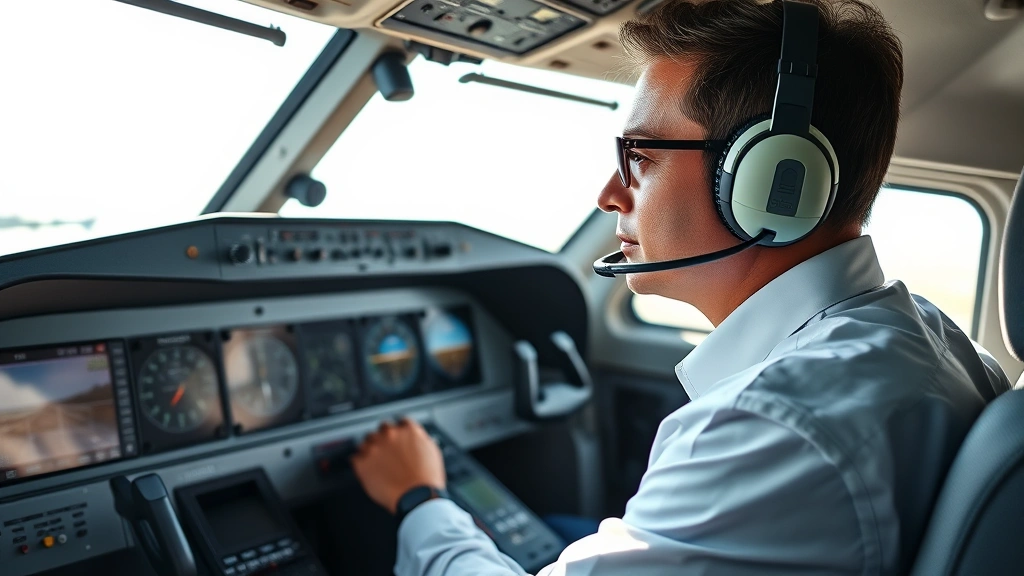
West Virginia Landing: Pilot’s Expert Testimony on Emergency Flight Operations
When a West Virginia flight emergency landing occurs, it represents far more than a routine operational adjustment—it embodies the critical intersection of pilot expertise, aircraft systems, and passenger safety protocols. Recent cases involving emergency landings in West Virginia have brought renewed attention to how experienced aviators respond under extreme pressure, making their expert testimony invaluable to understanding modern aviation safety. These incidents showcase the rigorous training and decision-making processes that keep commercial aviation among the safest transportation methods globally.
The testimony of pilots involved in West Virginia emergency landings provides crucial insights into aircraft behavior, crew resource management, and the split-second decisions that can mean the difference between a controlled descent and a catastrophic event. Understanding these expert accounts helps passengers appreciate the sophisticated systems and human expertise protecting them at 35,000 feet, while also revealing how aviation authorities continuously refine safety standards based on real-world emergency responses.
Understanding Aircraft Emergency Protocols
Emergency landing procedures represent the culmination of decades of aviation safety research and regulatory development. When pilots declare an emergency, they’re initiating a carefully orchestrated sequence of actions designed to minimize risk and ensure the safest possible outcome. The Federal Aviation Administration (FAA) has established comprehensive guidelines that govern how aircraft should respond to various emergency scenarios, from mechanical failures to medical emergencies aboard.
Pilots involved in West Virginia emergency landings must quickly categorize their situation within established emergency frameworks. Is this a mechanical emergency requiring immediate descent? A medical emergency requiring diversion to the nearest suitable airport? An environmental emergency caused by severe weather? Each category triggers different response protocols. The pilot’s expert testimony in these cases often reveals how quickly they assessed the situation, what information guided their decision, and why they selected a particular West Virginia airport for landing rather than alternative options.
Aircraft are equipped with redundant systems specifically designed to handle emergencies. Hydraulic systems have backups, electrical systems have multiple power sources, and avionics contain fail-safe mechanisms. When systems fail, pilots must understand which backups remain operational and how to configure the aircraft to land safely with degraded capabilities. This is where expert testimony becomes invaluable—experienced pilots can explain the technical reasoning behind their actions and help investigators understand whether procedures were followed correctly.
The United Airlines flight emergency landing in Nigeria offers comparative insights into how different airspace and airport conditions affect emergency response decisions, much like West Virginia situations present unique challenges based on regional infrastructure and geography.
Pilot Training and Decision-Making Under Pressure
Commercial pilots undergo extensive training to prepare for emergency scenarios they may never experience in their entire careers. This training includes simulator sessions where they practice emergency procedures repeatedly until responses become nearly automatic. When a real emergency occurs, pilots draw upon thousands of hours of preparation, allowing them to maintain focus and execute procedures despite the stress of the situation.
Expert testimony from pilots involved in West Virginia emergency landings frequently emphasizes the role of training in their decision-making process. Experienced captains describe how they relied on muscle memory developed through simulator training, how they delegated tasks to first officers, and how they prioritized information gathering during the critical initial moments of the emergency. This testimony helps aviation authorities understand whether existing training programs adequately prepare pilots for real-world scenarios.
The decision to declare an emergency is itself significant. Pilots must balance the seriousness of their situation against the disruption caused by declaring an emergency, which triggers extensive ground support, potential airport closures, and regulatory scrutiny. Expert testimony reveals that experienced pilots make this decision based on objective criteria: if the situation might require emergency services or unusual landing procedures, the emergency declaration is appropriate. This transparency in decision-making builds public confidence in aviation safety systems.
Crew resource management (CRM) plays a vital role in emergency response. Modern aviation emphasizes the captain’s responsibility to effectively utilize all crew members’ expertise, information, and attention. Pilots testifying about West Virginia emergency landings often describe how they communicated with their crew, assigned responsibilities, and maintained situation awareness throughout the emergency. This collaborative approach significantly improves safety outcomes compared to older models where captains made decisions in isolation.
West Virginia Airspace and Landing Facilities
West Virginia presents unique challenges for emergency landings due to its mountainous terrain, variable weather patterns, and distribution of suitable airports. Yeager Airport in Charleston serves as the primary commercial hub, while smaller regional airports provide alternative landing sites for emergencies. Pilots familiar with West Virginia airspace understand these options intimately, and their expert testimony often includes detailed explanations of why they selected particular airports during emergencies.
The state’s geography creates weather challenges that affect emergency landing decisions. Sudden weather changes, wind shear, and icing conditions are common concerns for pilots operating in West Virginia airspace. Expert testimony frequently addresses how weather considerations influenced emergency response decisions—whether the pilot diverted around severe weather or descended through it, and what information guided these critical choices.
Understanding essential tips for long haul flights includes recognizing how regional airspace characteristics affect flight operations, much like West Virginia’s specific challenges require specialized pilot knowledge. Yeager Airport’s facilities, runway configurations, and emergency services capabilities are crucial considerations in pilot decision-making.
The FAA maintains detailed information about West Virginia airports, including runway lengths, surface conditions, lighting capabilities, and available ground support. When pilots declare emergencies, air traffic control provides this information to help them select the most appropriate landing site. Expert testimony reveals how pilots weigh these factors—a longer runway might be preferable for an aircraft with brake system damage, while better medical facilities might justify diverting to a more distant airport for medical emergencies.
Communication Systems During Flight Emergencies
Clear, accurate communication between pilots and air traffic control is absolutely critical during emergency situations. Pilots must convey essential information—the nature of the emergency, their current altitude and position, their intended course of action—while simultaneously managing the aircraft and consulting with crew members. Expert testimony about West Virginia emergency landings often highlights the communication challenges inherent in these high-stress situations.
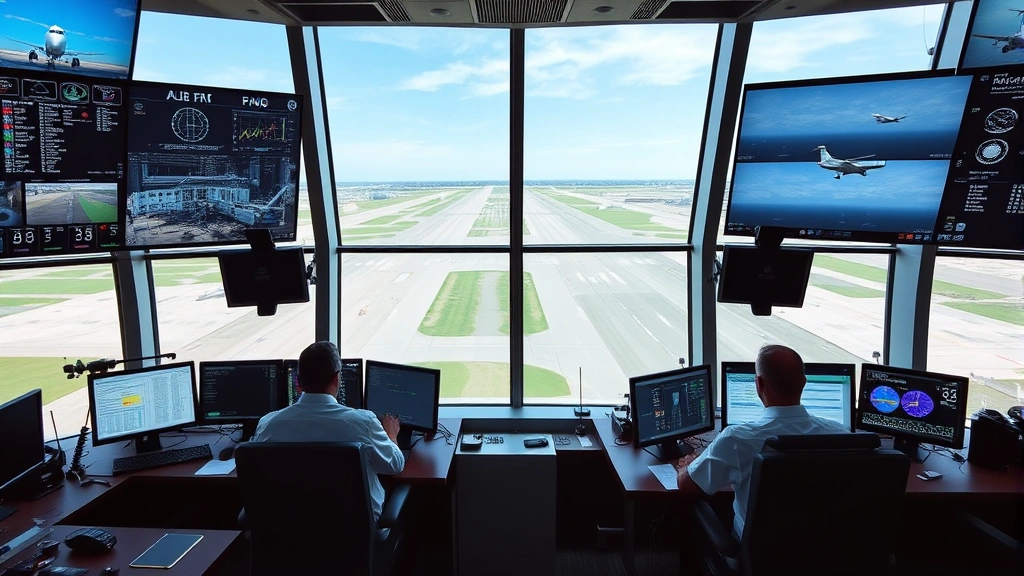
Air traffic control provides crucial support during emergencies, offering guidance on the best landing airports, weather information, and vectors to appropriate runways. Controllers undergo specialized training to handle emergency situations calmly and efficiently, providing pilots with exactly the information they need without unnecessary communication. The interaction between pilot and controller, as revealed in expert testimony, demonstrates how this partnership contributes to safe outcomes.
Standardized phraseology ensures that pilots and controllers understand each other despite language differences, background noise, and stress. When pilots testify about West Virginia emergency landings, they often reference specific radio communications, explaining how they conveyed urgency without causing panic, and how they requested specific assistance from air traffic control. This transparency helps aviation authorities assess whether communication protocols functioned as intended.
Modern aircraft include sophisticated communication systems with redundancy built in. If primary radio systems fail, pilots have backup systems available. Expert testimony sometimes addresses communication system failures that contributed to emergency situations, explaining how pilots adapted to degraded communication capabilities while maintaining contact with air traffic control and coordinating with crew members.

Post-Emergency Investigation and Expert Analysis
Following any significant emergency landing, aviation authorities conduct thorough investigations to understand what happened and identify opportunities for improvement. Pilot expert testimony forms a cornerstone of these investigations, providing firsthand accounts of the emergency and the reasoning behind critical decisions. The National Transportation Safety Board (NTSB) conducts these investigations with the goal of preventing similar incidents in the future.
Investigators examine aircraft maintenance records, weather data, communication recordings, and flight data recordings to reconstruct the emergency sequence. Pilot testimony helps investigators understand subjective factors—what the pilot observed, what they were thinking, what information guided their decisions—that don’t appear in objective data sources. Expert pilots testifying about West Virginia emergency landings help investigators understand industry practices and whether the involved pilot’s actions aligned with standard procedures.
The comparison between similar incidents provides valuable context for investigations. When pilots testify about West Virginia emergency landings, investigators can reference how other pilots have handled comparable situations. The Delta flight emergency landing back at MSP provides insights into emergency response procedures that investigators can compare with West Virginia cases to identify best practices and potential improvements.
Expert analysis following emergency landings often leads to regulatory changes, training modifications, or maintenance procedure adjustments. When pilot testimony reveals that existing procedures were inadequate for the situation encountered, aviation authorities work to develop better solutions. This continuous improvement process, informed by expert pilot testimony about actual emergencies, has made aviation progressively safer over decades.
Pilots providing expert testimony in post-emergency investigations must balance their natural desire to defend their actions with the investigation’s goal of identifying improvement opportunities. Professional pilots understand that honest, thorough testimony—even when it reveals mistakes or areas for improvement—ultimately serves aviation safety by preventing future incidents. This commitment to safety over self-protection is a hallmark of the aviation profession.
Passenger Safety During Emergency Procedures
Passengers aboard aircraft experiencing emergencies are often the least informed people about what’s happening, yet they’re vital to successful emergency response. Pilot expert testimony frequently addresses how pilots communicate with passengers during emergencies, balancing the need to keep them informed with the imperative to avoid causing panic. This communication challenge represents a crucial aspect of emergency management that expert pilots address in their testimony.
Flight attendants play a critical role in passenger safety during emergencies, following procedures established by the airline and the FAA. Pilots must effectively communicate with flight attendants, ensuring they understand the situation and can prepare passengers appropriately. Expert testimony about West Virginia emergency landings sometimes addresses the pilot-flight attendant coordination that contributed to successful outcomes, highlighting how good communication throughout the crew improved safety.
Passengers should understand that emergency landings, while serious, represent aviation safety systems working as intended. Pilots, air traffic control, and aircraft systems are all designed with emergency scenarios in mind. When you’re traveling, understanding the best airlines for long flights includes considering airlines with strong safety records and excellent crew training, factors that influence how well they handle emergencies.
Passenger preparation for emergencies involves reviewing safety briefings, understanding evacuation procedures, and familiarizing yourself with emergency equipment locations. This passive preparation, combined with active crew management during emergencies, creates layers of safety that protect passengers throughout their flight. Expert testimony emphasizes that passengers who follow crew instructions during emergencies significantly improve their own safety and the safety of others.
The psychological aspects of emergency situations affect both crew and passengers. Expert testimony from pilots addresses how they manage stress, maintain focus, and make sound decisions under extreme pressure. Understanding these challenges helps passengers appreciate the professionalism of their flight crews and reinforces confidence in aviation safety systems.
Modern aviation represents the culmination of over a century of safety improvements, each informed by lessons learned from previous incidents. When emergency landings occur in West Virginia or anywhere else, the expert testimony pilots provide contributes to this continuous improvement process. By understanding how pilots respond to emergencies and what factors guide their decisions, we develop greater appreciation for the sophisticated systems and highly trained professionals that make aviation exceptionally safe.
For travelers concerned about flight safety, recognizing that emergency procedures exist, that pilots receive extensive training, and that aircraft are engineered with multiple redundant systems should provide confidence. The expert testimony of pilots involved in emergency landings consistently demonstrates that modern aviation safety systems work as designed, protecting passengers through a combination of human expertise, mechanical reliability, and established procedures refined through decades of operational experience.
FAQ
What does it mean when a pilot declares an emergency?
Declaring an emergency is a formal notification to air traffic control that the aircraft is experiencing a situation that may require unusual landing procedures, emergency services, or airport resources. This declaration doesn’t indicate immediate danger but rather alerts ground personnel to prepare for a non-routine landing. Pilots declare emergencies based on objective criteria related to aircraft systems, medical situations, or fuel status—not subjective concerns.
How do pilots decide which airport to use for emergency landings?
Pilots consider multiple factors when selecting emergency landing airports: runway length and surface condition, available emergency services, weather conditions, distance from current position, and the nature of the emergency. Air traffic control provides information about nearby airports and their capabilities, helping pilots make informed decisions. For West Virginia emergency landings, factors like terrain, weather patterns, and available facilities all influence airport selection.
Are emergency landings dangerous for passengers?
Emergency landings are serious situations that require careful management, but modern aircraft and trained crews are designed to handle them safely. Passengers should follow all crew instructions, remain calm, and trust that their pilots have extensive training for exactly these situations. The vast majority of emergency landings result in safe outcomes with no injuries.
What happens after an emergency landing?
Following an emergency landing, passengers typically remain on the aircraft while it’s inspected and emergency equipment is assessed. Investigators will eventually examine the aircraft, interview crew members, and review flight data to understand what happened. The airline will provide passengers with information about rebooking options and support services as needed.
How often do emergency landings occur?
Emergency landings are relatively rare considering the number of daily flights, but they do occur regularly. Most emergencies are handled successfully through established procedures, and the aviation industry’s safety record continues to improve. Expert testimony from pilots involved in these incidents contributes to the training and procedures that make aviation progressively safer.
Can passengers help during aircraft emergencies?
Passengers can help most effectively by remaining calm, following crew instructions immediately, and staying seated until instructed otherwise. Panic or non-compliance can interfere with crew operations and potentially endanger others. By trusting their training and following instructions, passengers contribute significantly to their own safety and that of everyone aboard.