SF to LA Flights: Expert Travel Tips for California’s Shortest Route
Flying from San Francisco to Los Angeles is one of America’s most popular short-haul routes, connecting two major California cities just 383 miles apart. Whether you’re traveling for business, leisure, or visiting family, understanding the nuances of this route can save you money, time, and stress. This comprehensive guide covers everything you need to know about booking and flying SF to LA flights, from the best airlines to insider strategies for getting the best fares.
The San Francisco to Los Angeles corridor sees hundreds of daily flights across multiple airlines, making it highly competitive and generally affordable. However, with so many options available, knowing how to navigate this market effectively is crucial. We’ll walk you through airline choices, timing strategies, airport logistics, and practical tips that frequent flyers swear by.
Understanding Your Airline Options
The SF to LA route is served by virtually every major U.S. carrier, giving you exceptional choice and competitive pricing. Southwest Airlines dominates this route with the most frequent departures, often offering multiple flights per hour during peak times. Their free checked baggage policy and lack of seat assignments make them particularly attractive for budget-conscious travelers. United Airlines, American Airlines, and Alaska Airlines also maintain substantial presence on this corridor, each with unique benefits.
When selecting an airline, consider factors beyond just price. Frequent flyer programs can provide significant value if you travel regularly between these cities. Best airlines for long flights considerations apply here too, even though this is technically a short flight. Service quality, on-time performance, and seat comfort matter even on brief routes. Alaska Airlines, for instance, offers excellent customer service and competitive pricing, while United provides more premium cabin options if you want to upgrade.
Budget carriers like Spirit and Frontier occasionally serve this route with rock-bottom fares, but read the fine print carefully regarding carry-on policies and seat selection fees. Sometimes their base fares are misleading once you add mandatory charges. Compare total costs, not just headline prices, when evaluating budget options against legacy carriers.
Flight Duration and Route Basics
The actual flight time from San Francisco (SFO) to Los Angeles (LAX) is approximately one hour, making it one of the shortest commercial routes in the United States. However, total travel time extends considerably when you factor in airport arrival requirements, security screening, boarding, deplaning, and ground transportation. Most travelers should plan for 4-5 hours total from leaving home to arriving at their LA destination.
San Francisco International Airport (SFO) is one of the busiest airports in the nation, with excellent facilities and efficient security processes. Los Angeles International (LAX) is larger but can experience congestion, particularly during peak hours. Some travelers prefer flying into alternative LA-area airports like Long Beach (LGB), Burbank (BUR), or Ontario (ONT), which often have shorter security lines and easier ground transportation, potentially saving 30-60 minutes compared to LAX.
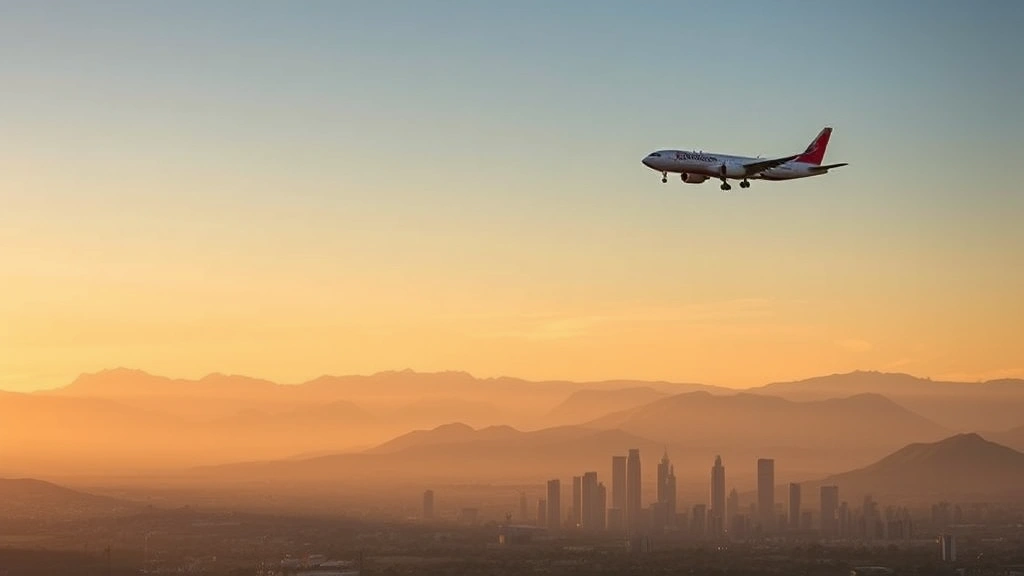
The flight path heads south along the California coast, offering occasional scenic views, though cabin windows on short flights often mean you’re climbing or descending during the best viewing opportunities. This route operates year-round with minimal weather disruptions, making it one of the most reliable domestic flights you can book.
Best Times to Book SF to LA Flights
Timing your booking strategically can yield substantial savings on SF to LA flights. The best times to book airline tickets generally applies here: booking 1-3 months in advance typically offers better fares than last-minute purchases. However, this short route sometimes has flash sales and competitive pricing that can yield deals even with shorter notice.
Tuesday and Wednesday departures are traditionally cheaper than Friday through Sunday flights, which see premium pricing due to leisure travel demand. Early morning flights (6-8 AM) often undercut mid-day options, and red-eye flights offer the deepest discounts if you’re willing to arrive late evening. Avoid flying during California school holidays, major holiday weekends (Thanksgiving, Christmas, Spring Break), and industry conference periods when this route reaches peak capacity.
Set up price alerts on Google Flights, Kayak, and airline websites directly. Southwest’s price drop notifications are particularly useful since they often offer the most frequent departures. Monitoring fares for 2-3 weeks before your desired travel dates helps identify optimal booking windows. Prices for this route typically fluctuate daily, so patience often pays off.
Airport Navigation Tips
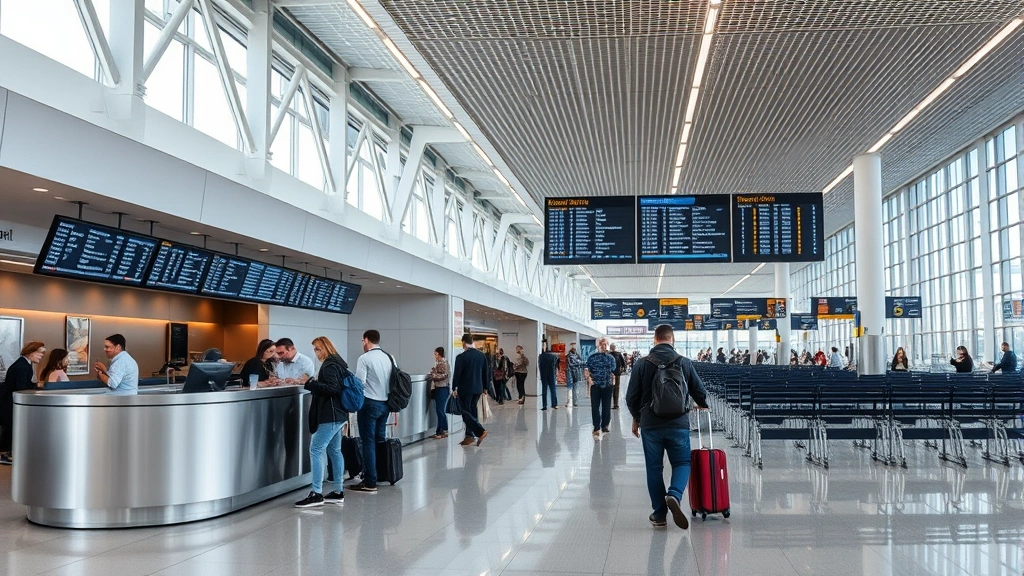
At San Francisco International, arrive 90 minutes before departure for domestic flights. SFO’s terminals are well-organized, and security lines move efficiently except during peak hours (7-10 AM, 4-7 PM). Terminal 3 serves United, Terminal 2 handles international carriers, and other terminals serve domestic carriers. Check your airline assignment in advance to avoid confusion.
TSA PreCheck or Clear memberships provide significant advantages at busy SFO, potentially cutting security wait times from 30 minutes to 5 minutes. For frequent SF-LA travelers, these investments often pay for themselves within a year. The airport has excellent dining, shopping, and WiFi throughout, so arriving early provides opportunities to relax rather than rush.
At LAX, expect longer processing times overall. Arrive 90-120 minutes before departure and allow extra time if you’re unfamiliar with LAX’s layout. The airport spans multiple terminals with varying levels of congestion. Checking your airline’s terminal assignment is essential. Consider using rideshare services, rental cars, or airport shuttles rather than trying to navigate LAX parking if possible.
Alternative LA airports deserve serious consideration: Long Beach Airport (LGB) is 30 minutes south of downtown LA with minimal congestion, Burbank (BUR) serves the San Fernando Valley area efficiently, and Ontario (ONT) is 45 minutes east but offers stress-free operations. Flying into these alternatives can sometimes save an hour of total travel time compared to LAX.
Luggage and Baggage Considerations
Airline luggage size restrictions vary significantly across carriers serving this route. Southwest includes two free checked bags, making them ideal if you’re checking luggage. United, American, and Alaska charge $35-40 for first checked bags, $50 for second bags. Spirit and Frontier often charge for even carry-on bags if they don’t fit under the seat.
For SF to LA flights, most business travelers pack only carry-on luggage, avoiding baggage claim delays and saving time overall. Carry-on limits are typically 22 x 14 x 9 inches (56 x 36 x 23 cm), which accommodates standard roller bags. Personal items like backpacks or purses travel free on all carriers. If you’re only staying overnight or traveling light, carry-on is ideal.
Consider the total baggage cost when comparing fares. A Southwest flight at $129 with free bags might be cheaper than a Spirit flight at $79 if you need to check luggage. Calculate true all-in costs before booking. For frequent travelers on this route, Southwest’s baggage policy often provides the best overall value despite potentially higher base fares.
Booking for Multiple Passengers
How to book flight for multiple people requires planning when flying the SF-LA route, especially with families or groups. Most booking sites allow you to select multiple passengers simultaneously, which simplifies the process. However, group discounts rarely apply to domestic routes under 200 miles, so book individual tickets rather than seeking group rates.
When traveling with others, consider whether purchasing refundable tickets makes sense for your group. If any passenger might cancel, refundable fares provide flexibility despite higher costs. For fixed travel plans, non-refundable basic economy fares offer the best value. Ensure all passengers have valid identification—Real ID compliant driver’s licenses or passports are required for domestic flights.
If traveling with children, most airlines now allow one child under 2 to sit on a lap for free, though purchasing a seat is recommended for safety and comfort. Children 2 and older require purchased tickets. Special services like unaccompanied minor flights, wheelchair assistance, or meal preferences should be arranged when booking, not at the airport.
Money-Saving Strategies
The SF to LA route’s competitive nature means aggressive shopping yields savings. Use Sky Voyage Hub Blog and other travel resources to stay informed about industry trends and pricing patterns. Set up price alerts across multiple platforms—often one site will show lower fares than others due to different inventory sources.
Consider flying on Tuesdays or Wednesdays when leisure demand is lowest. Early morning or late evening departures consistently offer lower fares than convenient mid-day slots. If your schedule allows flexibility, flying the day before or after your preferred date might unlock significant savings. A Thursday flight might be 40% cheaper than Friday’s equivalent.
Loyalty programs provide substantial value on frequent SF-LA routes. United’s MileagePlus, American’s AAdvantage, Southwest’s Rapid Rewards, and Alaska’s Mileage Plan all allow earning points toward free flights. After 5-6 round trips, you’ll likely have enough points for a complimentary ticket. These programs also provide elite status benefits like free checked bags and priority boarding.
Incognito browsing isn’t necessary for domestic routes—airlines don’t increase prices based on repeat searches for short-haul flights. However, comparing incognito and normal searches occasionally reveals minor differences. Book directly with airlines rather than third-party sites when prices are equal, as airline bookings provide better customer service if issues arise.
Travel Day Recommendations
For SF to LA flights, arriving at SFO 90 minutes early typically provides comfortable buffer without excessive waiting. Check your airline’s specific recommendations and add 15 minutes if traveling during peak hours (7-10 AM weekdays, 4-7 PM daily). Parking at SFO costs $20-30 for short-term, making rideshare increasingly attractive for airport access.
Pack carry-on strategically: electronics and valuables in personal items, liquids in a clear bag following TSA 3-1-1 rules (3.4 ounces per container, 1 quart-sized bag, 1 bag per passenger), and clothing/essentials in your roller bag. Wear slip-on shoes to expedite security screening. Keep your boarding pass accessible—digital or printed both work fine.
On the plane, the one-hour flight time means service is minimal. Beverages and snacks are typically offered on full-service carriers; bring your own snacks if flying budget carriers. Enjoy the California coastline views if you have a window seat, or use the time to catch up on work, reading, or rest. With such a short flight, entertainment systems rarely start before you’re descending.
Upon arrival at LAX or alternative airports, have ground transportation arranged in advance. Rideshare pickup areas are clearly marked; rental car shuttles depart from designated zones; and public transportation connections are available. Departing during off-peak hours (9 AM-3 PM) means lighter traffic to your final destination, reducing ground transportation time significantly.
FAQ
How much do SF to LA flights typically cost?
Prices range from $60-150 for advance bookings on budget carriers to $150-300+ for last-minute full-service flights. Average fares typically fall between $100-200 for round-trip tickets when booked 3-6 weeks in advance. Prices spike during holidays and weekends, when expect to pay 50-100% premiums.
Which airline is best for SF to LA flights?
Southwest Airlines offers the most frequent departures and free checked baggage, making it ideal for most travelers. Alaska Airlines provides excellent service and competitive pricing. United and American offer premium cabin options and extensive loyalty benefits. Your choice depends on whether you prioritize price, frequency, or frequent flyer status.
Can I get a refund if I cancel my SF to LA flight?
Refund policies vary by ticket type and airline. Basic economy fares are typically non-refundable but allow changes to other flights. Main cabin fares offer more flexibility. Full-price tickets usually include refund options. Always review specific cancellation policies before booking. Travel insurance provides additional protection if needed.
What’s the best time of day to fly SF to LA?
Early morning flights (6-8 AM) offer lower fares and less congestion. However, they require early airport arrival. Mid-afternoon flights (2-4 PM) balance price and convenience. Red-eye flights (10 PM-midnight) offer the deepest discounts if you can sleep on planes. Avoid peak hours (7-10 AM, 4-7 PM) when prices spike and flights are crowded.
Do I need TSA PreCheck for SF to LA flights?
TSA PreCheck isn’t required but provides significant convenience, especially at busy SFO. It costs $78-85 for five years and typically saves 15-25 minutes at security screening. For frequent SF-LA travelers (4+ round trips annually), the investment pays for itself through time savings alone.
Can I fly into LAX and depart from Burbank or Long Beach?
Yes, most booking sites allow selecting different departure and arrival airports. This flexibility sometimes reveals cheaper fares or better flight times. However, ensure ground transportation between airports is feasible. Burbank and Long Beach are 30-45 minutes from LAX depending on traffic, making this option practical if it saves significant money or time.