Air Canada Flight 2259 Delay Update: What You Need to Know
Air Canada Flight 2259 represents one of the airline’s key domestic and international routes, and flight delays on this service can significantly impact travel plans for hundreds of passengers. Whether you’re booked on this flight or monitoring its status for travel planning purposes, understanding the current situation, your passenger rights, and available options is essential. This comprehensive guide provides real-time insights into Air Canada Flight 2259 delays and practical steps to navigate disruptions effectively.
Flight delays are an unfortunate reality of modern air travel, but knowing how to respond quickly and understanding your entitlements can transform a frustrating situation into a manageable one. Air Canada, as Canada’s largest airline, operates thousands of flights daily, and when delays occur on popular routes like Flight 2259, they can cascade across the network. We’ll explore the latest updates, compensation options, and proactive strategies to minimize the impact on your journey.
Current Status and Real-Time Updates
To check the current status of Air Canada Flight 2259, travelers should consult multiple authoritative sources. The official Air Canada website provides real-time flight tracking, allowing you to enter your flight number and view departure times, estimated arrival windows, and any active delays. The airline’s mobile app delivers push notifications about status changes, ensuring you receive updates directly on your phone.
Beyond Air Canada’s official channels, independent flight tracking services offer comprehensive data. Websites like FlightAware and FlightRadar24 aggregate information from multiple sources, including airport systems and radar data, providing a complete picture of flight movements. These platforms often show historical delay patterns, helping you understand whether delays on Flight 2259 are anomalies or recurring issues on specific days or seasons.
Current delay information for Flight 2259 should be verified through FlightRadar24 and the airline’s official communication channels. Weather conditions, aircraft maintenance issues, and air traffic congestion are typical factors affecting this route. Passengers should check status updates at least 24 hours before departure and again 2-3 hours before their scheduled flight time.
Common Reasons for Flight 2259 Delays
Understanding why Flight 2259 experiences delays helps travelers anticipate problems and plan accordingly. Air Canada Flight 2259 operates on routes subject to various environmental and operational factors. Weather remains the primary culprit, with winter conditions in Canada causing significant disruptions. Snow, ice, and low visibility require additional de-icing procedures, runway maintenance, and conservative approach procedures that naturally extend ground times and flight durations.
Aircraft maintenance issues represent another substantial delay category. Modern commercial aircraft undergo rigorous pre-flight inspections, and any discrepancies must be resolved before departure. When maintenance items are identified during turnarounds, mechanics must complete repairs before the aircraft can operate the next flight. This is why you might see Flight 2259 delayed despite favorable weather—an unscheduled maintenance requirement takes precedence over schedule adherence.
Air traffic congestion, particularly at major Canadian hubs like Toronto Pearson International Airport and Vancouver International Airport, frequently causes delays. When numerous flights converge on these facilities simultaneously, air traffic control implements flow management procedures, spacing departures and arrivals to maintain safety. Your Flight 2259 departure might be delayed waiting for a landing slot, even if local conditions are perfect.
Crew scheduling complications, passenger connection issues, and ground handling delays also impact Flight 2259. If a crew member is delayed connecting from another flight, or if passengers from a previous flight haven’t boarded, departure must be postponed. Additionally, baggage handling, catering service, and aircraft cleaning all contribute to ground time, and any disruption in these processes affects departure punctuality.
Understanding these factors helps you distinguish between delays within Air Canada’s control and those caused by external circumstances. This distinction matters significantly when determining compensation eligibility, as regulations treat airline-caused delays differently from force majeure events.
Your Rights as an Air Canada Passenger
Canadian passengers on Air Canada Flight 2259 have specific legal protections under the Canadian Air Passenger Bill of Rights and additional protections under European regulations for flights departing from EU airports. These frameworks establish minimum standards for compensation and assistance during flight disruptions.
If Flight 2259 is delayed more than three hours at departure, you’re entitled to compensation ranging from $400 to $2,400 CAD, depending on flight distance and delay duration. Flights under 1,500 kilometers qualify for $400 compensation, flights between 1,500 and 3,500 kilometers qualify for $700, and flights exceeding 3,500 kilometers qualify for $1,000. In extraordinary circumstances where delays exceed 9 hours, passengers may receive up to $2,400.
However, Air Canada can reduce or eliminate compensation if the delay results from circumstances beyond their control—what regulations call “extraordinary circumstances.” These include severe weather, security threats, air traffic control decisions, and mechanical issues that couldn’t be foreseen. The airline must prove that extraordinary circumstances caused the delay and that they took all reasonable measures to mitigate consequences.
Regardless of compensation eligibility, Air Canada must provide specific assistance during delays. For delays exceeding two hours, you’re entitled to communication facilities (phone calls or emails), meal and refreshment vouchers proportionate to waiting time, and hotel accommodation if an overnight stay becomes necessary. The airline must also provide ground transportation between the airport and hotel.
Passengers with reduced mobility, unaccompanied minors, and families with young children receive enhanced protections. Air Canada must prioritize these vulnerable groups for rebooking on alternative flights and provide additional support services. If you fall into these categories, inform airline staff immediately so they can implement appropriate assistance.
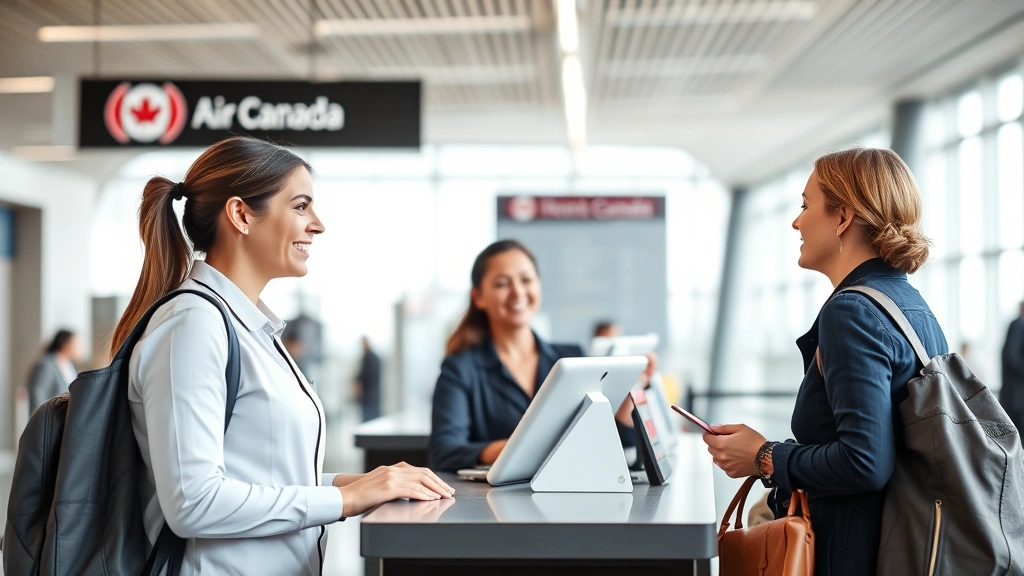
Filing Compensation Claims for Air Canada Flight 2259
Filing a compensation claim for Air Canada Flight 2259 delays requires documentation and persistence. Begin by collecting evidence: your booking confirmation, boarding pass, delay documentation from Air Canada, and receipts for expenses incurred due to the delay. These documents form the foundation of your claim.
Air Canada provides a dedicated complaints and compensation portal on their website where you can submit claims directly. Include your flight number (AC 2259), passenger details, delay duration, and explanation of how the delay impacted you. Be specific about expenses claimed—hotel costs, meals, transportation—and attach receipts for each item.
The airline typically responds within 6-8 weeks. If they deny your claim citing extraordinary circumstances, you have the right to escalate to the Canadian Transportation Agency, which oversees airline dispute resolution. The CTA can compel Air Canada to pay compensation if they determine the airline failed to meet its obligations.
For European passengers on Flight 2259, European Union Regulation 261/2004 provides even stronger protections. EU residents can claim compensation of €250 to €600 depending on flight distance, and the airline cannot use most circumstances as exemptions (weather exceptions are narrower under EU law). Filing with the CTA or relevant European aviation authority strengthens your claim.
Consider engaging a flight compensation specialist if your claim is substantial or Air Canada disputes it. These services operate on contingency, taking a percentage of recovered compensation. They handle documentation, correspondence, and escalation, increasing your likelihood of successful recovery.
Rebooking and Alternative Routes
When Air Canada Flight 2259 is significantly delayed or cancelled, rebooking options become your primary concern. Air Canada must rebook you on the next available flight to your destination at no additional charge. This might be another Air Canada flight, a flight on a partner airline, or even a flight on a competitor if Air Canada cannot accommodate you within a reasonable timeframe.
If you’re comfortable with alternative routing, you can request rebooking on flights departing the next day, allowing time to rest and prepare. However, if you need to reach your destination urgently, Air Canada must prioritize same-day alternatives. The airline typically offers options through their booking system, but don’t hesitate to ask agents about partnerships with other carriers that might provide faster connections.
For international flights, rebooking becomes more complex. If Flight 2259 is an international service, Air Canada might rebook you through different hub airports or partner airlines. While this might extend your travel time, it ensures you reach your destination. Ask specifically about flight times, connection windows, and whether you need to clear customs at intermediate stops.
If Air Canada cannot rebook you within 24 hours, they must offer a full refund of your ticket, even if the flight eventually operates. This refund covers your original flight cost, and you can use it toward alternative travel or retain the cash. Some passengers accept refunds to book with airlines offering better schedules or more direct routing.
When rebooking, confirm that your baggage will transfer to the new flight (this should be automatic for same-day rebooking) and that any seat selections or special services (extra legroom, meal preferences) transfer to the new booking. If rebooking downngrades your service class, Air Canada should compensate the difference in fare.
Keep detailed records of all rebooking offers and your decisions. If you accepted a rebooking that caused additional expenses or delays, document these impacts for your compensation claim. The airline’s responsibility extends to ensuring the alternative routing is reasonable and doesn’t cause undue hardship.
Staying Informed During Delays
Effective communication during Flight 2259 delays minimizes stress and ensures you don’t miss important updates. Air Canada communicates through multiple channels: text messages to registered phone numbers, email notifications, airport announcements, and real-time updates on their website and app. Ensure your contact information is current in your booking profile.
The airline’s customer service phone line (1-888-247-2262) provides direct access to agents who can answer questions about your specific flight. During major disruptions, wait times extend significantly, but persistence pays off. Calling early in the morning or late evening often means shorter queues.
Social media represents another communication avenue. Air Canada responds to Twitter inquiries from @AirCanada, often providing faster updates than phone lines during widespread disruptions. Tweet your flight number and ask about status, rebooking options, or compensation procedures. The airline’s social media team can escalate issues to appropriate departments.
At the airport, information desks and gate agents have access to real-time data about Flight 2259. Don’t rely solely on automated announcements; speak directly with staff to understand delay duration estimates, rebooking possibilities, and support services available. Agents can sometimes access options not visible through self-service portals.
Join the SkyVoyage Hub Blog for flight news and travel updates that keep you informed about industry developments affecting carriers like Air Canada. Understanding broader airline trends helps contextualize individual flight disruptions.
Preparing for Potential Disruptions on Flight 2259
Proactive preparation reduces the impact of Flight 2259 delays. When booking this flight, check historical delay statistics for your specific route and departure time. Some time slots consistently experience delays due to air traffic patterns or crew scheduling. Choosing flights departing earlier in the day often means fewer cascading delays from previous flights.
Build buffer time into connections. If Flight 2259 is a connecting flight, allow at least 2-3 hours between arrival and your next departure for domestic connections, and 3-4 hours for international connections. This buffer absorbs most delay scenarios without causing you to miss connections. For tight connections, request Air Canada to book you on later flights with more comfortable margins.
Purchase travel insurance that covers flight delay compensation. Many policies reimburse meals, accommodation, and transportation costs when delays exceed specified thresholds (often 12-24 hours). This insurance supplements Air Canada’s legal obligations and ensures you recover all expenses regardless of the airline’s compensation outcome.
Register for Air Canada’s Aeroplan frequent flyer program, even if you don’t accumulate points. Members receive priority rebooking during disruptions and access to exclusive customer service lines with shorter wait times. The program is free to join and provides immediate benefits during travel disruptions.
Pack essential items in carry-on luggage: medications, important documents, electronics chargers, and a change of clothes. If Flight 2259 is delayed overnight, you’ll have necessities without waiting for checked baggage. Include comfort items like neck pillows, headphones, and entertainment to make extended airport time more bearable.
Review the Air Canada baggage policy before traveling so you understand what you can carry on and what checked baggage allowances apply. During delays, baggage policies sometimes affect rebooking options, so understanding your entitlements helps you make informed decisions.
Consider how delays might affect downstream plans. If Flight 2259 is delayed and you have tight connections to important events (meetings, weddings, medical appointments), communicate with relevant parties about potential delays. This allows them to adjust expectations and make contingency plans.
Learn about advanced flight systems and technology innovations that airlines use to minimize delays. Understanding these systems helps you appreciate when delays result from factors beyond airline control versus operational inefficiencies.
Frequently Asked Questions
How do I check the real-time status of Air Canada Flight 2259?
Visit the Air Canada website or mobile app and enter your flight number in the flight status tracker. Independent services like FlightAware and FlightRadar24 also provide real-time tracking with historical delay data. You can set up alerts to receive notifications when status changes occur.
What compensation am I entitled to if Flight 2259 is delayed more than 3 hours?
Under Canadian Air Passenger Bill of Rights, you’re entitled to $400-$1,000 CAD depending on flight distance, or up to $2,400 for delays exceeding 9 hours. However, Air Canada can reduce compensation if extraordinary circumstances (severe weather, mechanical issues beyond their control) caused the delay. EU Regulation 261/2004 provides €250-€600 for EU passengers.
Can Air Canada cancel my flight without rebooking me?
No. Air Canada must rebook you on the next available flight to your destination at no additional cost. If they cannot rebook you within 24 hours, they must offer a full refund. You have the right to choose between rebooking and refund.
What assistance must Air Canada provide during Flight 2259 delays?
For delays exceeding 2 hours, Air Canada must provide communication facilities, meal and refreshment vouchers, and hotel accommodation if an overnight stay is necessary. They must also arrange ground transportation between airport and hotel. Specific assistance depends on delay duration and flight distance.
How do I file a compensation claim with Air Canada?
Submit your claim through Air Canada’s complaints portal on their website, or mail a written claim with supporting documentation (booking confirmation, boarding pass, delay documentation, receipts). Include your flight number, passenger details, delay duration, and itemized expenses. Air Canada typically responds within 6-8 weeks.
What should I do if Air Canada denies my compensation claim?
If Air Canada denies your claim, escalate to the Canadian Transportation Agency, which oversees airline dispute resolution. File a complaint with the CTA providing documentation supporting your claim. The CTA can compel Air Canada to pay compensation if they determine the airline failed to meet its legal obligations.
Can I get a refund if Flight 2259 is cancelled?
Yes. You can request a full refund of your ticket fare if Air Canada cannot rebook you on an acceptable alternative flight. You can also accept a rebooking instead. A refund gives you cash to book alternative travel, while rebooking on Air Canada’s alternative flight is free.
What’s the difference between weather delays and airline delays?
Weather delays (severe storms, snow, ice) are typically considered extraordinary circumstances beyond airline control, potentially limiting compensation. Airline delays (mechanical issues within their control, crew scheduling problems, maintenance) are the airline’s responsibility, and you’re generally entitled to full compensation plus assistance.
Should I purchase travel insurance for Flight 2259?
Travel insurance provides valuable protection beyond Air Canada’s legal obligations. Many policies cover meals, accommodation, and transportation costs during delays, and they pay regardless of whether the airline compensates you. This insurance is particularly valuable for expensive trips or tight connections.
How can I avoid Flight 2259 delays in the future?
Book flights departing earlier in the day, build buffer time into connections, check historical delay statistics for your route, and consider purchasing travel insurance. Register for Air Canada’s frequent flyer program for priority rebooking during disruptions. Understanding delay patterns helps you make smarter booking decisions.
What resources help me understand airline regulations and my rights?
The Transportation Canada website provides detailed information about passenger rights. For EU flights, consult Regulation 261/2004 on the European Commission website. The SkyVoyage Hub offers additional guidance on booking flights for multiple people and best airlines for long flights, helping you make informed travel decisions.