Alaska Airlines Cancellations: Expert Insights on Tariff-Related Costs
Alaska Airlines has recently faced significant operational challenges stemming from tariff-related cost increases, leading to widespread flight cancellations that have disrupted travel plans for thousands of passengers. As one of the largest carriers in the Pacific Northwest and a major player in the U.S. aviation market, Alaska Airlines’ decision to cancel flights reflects broader economic pressures affecting the entire airline industry. These cancellations represent more than just scheduling inconveniences—they highlight the complex interplay between international trade policy, operational expenses, and airline profitability that determines whether flights operate or get grounded.
Understanding the reasons behind these cancellations is crucial for travelers who depend on Alaska Airlines for their journeys. The tariff situation has created a cascading effect throughout the airline’s network, impacting everything from fuel surcharges to aircraft maintenance costs. This comprehensive guide explores the factors driving these cancellations, what passengers can expect, and how to navigate the situation effectively.
How Tariffs Are Impacting Alaska Airlines Operations
Tariffs imposed on imported goods have created unexpected cost pressures for Alaska Airlines and other carriers. When governments implement tariffs on materials, components, and equipment used in aircraft maintenance and operations, these costs get passed directly to airlines. Alaska Airlines, which operates a significant fleet serving domestic and international routes, faces substantial increases in the cost of spare parts, ground support equipment, and materials necessary for routine maintenance.
The airline industry relies on a complex supply chain that spans multiple countries. Aircraft components, avionics systems, and maintenance materials often come from international suppliers. When tariffs increase the cost of importing these items, airlines must either absorb the expenses or adjust their operations. For Alaska Airlines, the calculation became clear: maintaining the same flight schedule at significantly higher operational costs would erode profit margins beyond acceptable levels, necessitating strategic flight reductions.
Beyond parts and maintenance, tariffs also affect fuel-related costs and the price of materials used in aircraft manufacturing and repair. Alaska Airlines operates primarily Boeing aircraft, and any tariff-related increases in Boeing component sourcing directly impact the airline’s ability to maintain and upgrade its fleet cost-effectively. This creates a domino effect where tariffs don’t just affect one aspect of operations—they ripple through every department.
Understanding the Cancellation Reasons
Alaska Airlines has cited tariff-related cost increases as the primary reason for recent flight cancellations. Rather than operating unprofitable routes, the airline made the strategic decision to consolidate flights and reduce capacity on certain routes. This approach allows the airline to maintain service on its most profitable and essential routes while temporarily suspending service on others.
The airline’s network strategy focuses on hub cities like Seattle-Tacoma International Airport and Portland International Airport, where Alaska Airlines maintains significant operations. Cancellations have primarily affected smaller regional routes and some secondary markets where demand may not justify operation at higher cost structures. This selective approach to cancellations represents a common industry response to cost pressures—maintaining service where revenue can cover the increased expenses.
It’s important to distinguish between cancellations due to tariff pressures and those caused by weather, mechanical issues, or other operational factors. Tariff-related cancellations are typically announced in advance, allowing passengers time to make alternative arrangements. The airline has worked to provide affected passengers with rebooking options on other flights or refunds, though the process has understandably frustrated many travelers.
Alaska Airlines has also implemented capacity adjustments on certain routes, reducing the number of flights rather than eliminating service entirely. These reductions mean fewer available seats and potentially higher fares on remaining flights, as demand remains relatively constant while supply decreases. This economic principle—reduced supply with stable demand—creates upward pressure on ticket prices, compounding the frustration for budget-conscious travelers.
Passenger Rights and Compensation Options
When Alaska Airlines cancels a flight, passengers have specific rights and options that vary depending on the circumstances and regulations that apply. Understanding these rights is essential for protecting your interests as a traveler. Under U.S. Department of Transportation regulations, passengers are entitled to either a refund of their ticket or rebooking on the next available flight at no additional charge.
If you’re affected by an Alaska Airlines cancellation, you have the right to choose between a full refund of your ticket price or rebooking on another flight. The airline must offer this choice clearly and directly. If you choose to accept a rebooking, you’re entitled to remain on the airline’s booking system without additional fees, even if the new flight is at a different time or to a nearby airport.
For passengers affected by cancellations, reviewing your options for booking refundable airline tickets in the future can help protect your travel investment. Additionally, understanding airline flight delay compensation policies helps you know what to expect in disruption situations.
International flights present different compensation scenarios. If you’re traveling to Europe from the United States, EU Regulation 261/2004 may apply, potentially entitling you to compensation ranging from €250 to €600 depending on flight distance. However, this regulation only applies if the flight originates in an EU airport, so domestic U.S. flights don’t qualify for this compensation.
Documentation is crucial when dealing with cancellations. Keep all confirmation emails, booking references, boarding passes, and correspondence with the airline. If you incur additional expenses due to the cancellation—such as hotel stays or meal costs—document these expenses carefully. While the airline isn’t obligated to reimburse these costs in most cases, having documentation helps if you decide to pursue compensation through other channels.
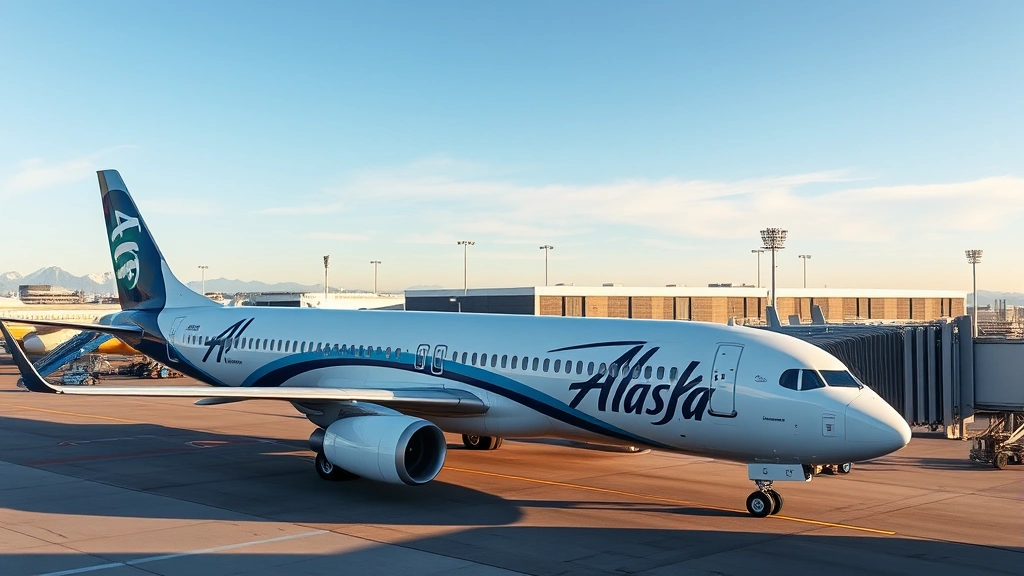
” alt=”Alaska Airlines aircraft parked at gate during operational review”>
Smart Booking Strategies During Disruptions
During periods of airline disruptions, adopting smart booking strategies can help minimize your exposure to cancellations and maximize your flexibility. First, consider booking flights with longer layover windows. When you have more time between connections, you’re better positioned to handle disruptions without missing downstream flights.
Booking directly with Alaska Airlines rather than through third-party travel websites gives you more direct access to customer service and rebooking assistance. Third-party booking sites sometimes complicate the rebooking process because they don’t have the same access to airline systems as the airline itself. Direct bookings also allow you to accumulate Alaska Airlines frequent flyer miles and maintain your elite status benefits.
Choosing flights during off-peak hours—early morning, late evening, or mid-week—typically means fewer cancellations and more available rebooking options if disruptions occur. Peak travel times see fuller flights and fewer available alternatives, making rebooking more difficult during these periods.
Consider purchasing travel insurance that covers flight cancellations and disruptions. Comprehensive travel insurance policies can reimburse your ticket cost if a flight is cancelled, providing financial protection beyond what the airline is required to offer. This is particularly valuable for expensive tickets or time-sensitive travel.
Monitoring flight status updates regularly, especially as your travel date approaches, helps you stay informed about potential issues. Alaska Airlines provides real-time updates through their website and mobile app, allowing you to detect problems early and make alternative arrangements if necessary.
The Broader Airline Industry Context
Alaska Airlines is not alone in facing tariff-related pressures. The entire U.S. airline industry confronts similar challenges, though the impact varies by carrier size, route network, and supply chain exposure. Major carriers like American Airlines, United Airlines, and Delta Air Lines also face increased operational costs, though their larger scale sometimes allows them to absorb costs more easily.
The aviation industry operates on razor-thin profit margins, typically between 2-5% in the best years. This means that even modest cost increases can substantially impact profitability. Tariffs that increase operational costs by even a few percentage points can transform a profitable route into a money-losing proposition, forcing strategic decisions about which flights to maintain.
Smaller carriers and regional airlines face proportionally larger impacts from tariff increases. Airlines operating point-to-point networks, where each route must be independently profitable, have less flexibility than hub-and-spoke carriers that can cross-subsidize less profitable routes with revenue from major hubs. Alaska Airlines’ significant presence in Pacific Northwest hubs gives it more flexibility than some carriers, but tariff impacts still force difficult operational choices.
The situation reflects broader economic tensions in global trade. Airlines depend on international supply chains and compete in a globally integrated market. When trade policy changes, airlines must adapt quickly or face competitive disadvantages. Some carriers have responded by exploring alternative suppliers, redesigning maintenance procedures, or renegotiating contracts with suppliers to absorb some tariff impacts.
Industry observers note that these disruptions may have lasting effects on airline capacity and route networks. If tariffs remain in place long-term, airlines may make permanent changes to their flight schedules rather than treating cancellations as temporary measures. This could fundamentally reshape which routes receive frequent service and which become seasonal or eliminated entirely.
Future Outlook and Recovery Timeline
The timeline for Alaska Airlines to restore full flight schedules depends primarily on whether tariff situations are resolved through policy changes or trade negotiations. If tariffs are eliminated or reduced, the airline can likely restore cancelled flights relatively quickly, as the underlying operational capacity remains in place. Aircraft that were temporarily parked or underutilized can return to service within weeks.
However, if tariffs persist or increase further, Alaska Airlines may make permanent adjustments to its route network. Airlines typically announce major schedule changes several months in advance, giving passengers time to plan alternatives. If you frequently travel on Alaska Airlines, monitoring their official announcements about schedule changes helps you plan accordingly.
The airline industry is also exploring long-term adaptations to tariff environments. Some carriers are investing in domestic manufacturing of certain components to reduce import dependence. Others are negotiating longer-term contracts with suppliers to lock in prices and reduce exposure to future tariff changes. These adaptations take time to implement but could provide more stability in future years.
For travelers, the current situation underscores the importance of flexibility and planning. Check the SkyVoyage Hub Blog for flight information and travel guides regularly to stay informed about industry developments that might affect your travel plans. Understanding what happens if you miss your flight helps you make informed decisions about rebooking options.
Alaska Airlines has committed to maintaining service on its core routes and hub connections while adjusting peripheral routes as necessary. The airline’s long-term strategy involves stabilizing operations at a sustainable cost level, even if that means operating fewer flights initially. This approach prioritizes the airline’s viability, which ultimately serves passenger interests better than operating unsustainably high flight frequencies.
Industry analysts predict that tariff situations will eventually be resolved through political or trade negotiations, but the timeline remains uncertain. Airlines are preparing for both scenarios—tariff reduction and tariff permanence—in their strategic planning. This dual-track approach means passengers should expect some operational uncertainty to persist for several months to a year.
” alt=”Airport terminal interior showing passenger information displays and travel booking areas”>
FAQ
What should I do if my Alaska Airlines flight is cancelled?
Contact Alaska Airlines immediately through their customer service line or website. You have the right to either a full refund or rebooking on the next available flight. Choose the option that best fits your travel needs. If you’ve incurred additional expenses, keep documentation for potential reimbursement claims.
Can I get compensation beyond a refund or rebooking?
Under U.S. regulations, the airline is required to offer refunds or rebooking but is not obligated to pay additional compensation for cancellations caused by factors beyond their control. However, if the cancellation resulted from the airline’s negligence or mismanagement, you might have grounds for additional compensation through legal channels. Consulting with a consumer protection attorney can help determine your options.
Are tariff-related cancellations considered force majeure?
This is a complex legal question. While tariffs are external policy factors, they result from government action rather than unforeseeable natural events. Different legal jurisdictions may interpret this differently. Most U.S. courts have not yet definitively ruled on whether tariffs qualify as force majeure, so this remains an evolving area of law.
How long will these tariff-related cancellations continue?
The duration depends on tariff policy changes and trade negotiations. If tariffs are reduced or eliminated, Alaska Airlines can likely restore flights within weeks. If tariffs persist, the airline may make permanent schedule adjustments. Monitor Alaska Airlines’ official communications for announcements about schedule changes and recovery timelines.
Should I avoid booking Alaska Airlines due to cancellation risks?
Alaska Airlines remains a reliable carrier with strong operational performance overall. Tariff-related disruptions affect all airlines to some degree. Rather than avoiding Alaska Airlines, focus on booking strategies that provide flexibility—purchase refundable tickets, book direct with the airline, and consider travel insurance for protection.
How do tariffs affect ticket prices?
Tariff-related cost increases can lead airlines to raise ticket prices to maintain profitability. Reduced flight frequency also increases prices through basic supply-and-demand economics. Comparing fares across airlines and booking well in advance helps you find better prices during periods of industry disruption.
What are the best alternatives if Alaska Airlines cancels my flight?
Contact Alaska Airlines first about rebooking options. If you prefer to explore alternatives independently, check the U.S. Department of Transportation for passenger rights information. Other carriers serving your route might offer available flights, though you typically need to purchase a new ticket unless the airline agrees to honor your original booking.
How can I stay informed about Alaska Airlines schedule changes?
Subscribe to Alaska Airlines’ email alerts, download their mobile app for real-time notifications, and check their official website regularly. Following Alaska Airlines’ social media accounts also provides timely updates about operational changes. Reviewing resources like DOT’s Office of Aviation Consumer Protection keeps you informed about airline industry developments.
What about my Alaska Airlines frequent flyer miles during cancellations?
Miles are typically preserved when flights are cancelled. If you rebook on another flight, your miles remain in your account. If you choose a refund instead, you can usually retain your miles. However, if a credit is issued instead of a refund, policies vary—check with Alaska Airlines about their specific handling of frequent flyer miles in cancellation situations.
Can I get a refund for hotel or car rental changes due to cancellation?
The airline is not responsible for reimbursing third-party bookings like hotels or rental cars. However, if those bookings have cancellation protection, you may be able to recover those costs through the third-party provider. Travel insurance sometimes covers these related expenses, so review your policy carefully.