American Airlines Landing Abort: Pilot Insights and What Happens Behind the Scenes
When an American Airlines flight aborts its landing at Reagan National Airport, it’s not a sign of danger or poor piloting—it’s a demonstration of the rigorous safety protocols that protect every passenger on board. Landing aborts, technically known as “go-arounds,” happen more frequently than most travelers realize, and understanding why pilots make these critical decisions can ease anxiety for nervous flyers and provide fascinating insights into modern aviation operations.
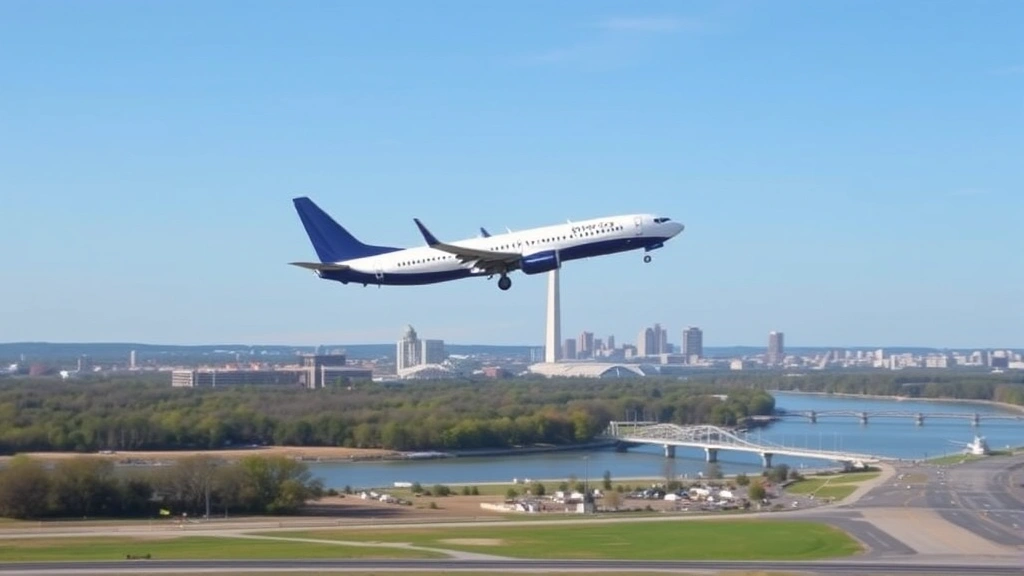
Reagan National Airport (DCA), located in Washington, D.C., is one of the busiest and most challenging airports in the United States. With its proximity to the Potomac River, restricted airspace, and high traffic volume, pilots operating into this facility must maintain exceptional precision and situational awareness. When an American Airlines captain decides to abort a landing approach, they’re exercising the judgment that separates professional aviation from reckless risk-taking. This comprehensive guide explores the mechanics, reasons, and implications of landing aborts, offering travelers a window into the decision-making processes of experienced flight crews.
Understanding Landing Aborts and Go-Arounds
A landing abort, or “go-around,” occurs when a pilot decides to discontinue a landing approach and return to the airspace to attempt another landing or divert to an alternate airport. This maneuver is a fundamental part of pilot training and is executed thousands of times daily across the world’s airports. For American Airlines operations at Reagan National Airport, go-arounds are particularly common due to the airport’s operational characteristics and airspace constraints.
The decision to execute a go-around is entirely within the pilot’s authority and is never considered a failure. In fact, aviation professionals view go-arounds as a critical safety tool. The Federal Aviation Administration (FAA) explicitly authorizes pilots to make this decision whenever they believe the aircraft is not in the proper position or configuration to land safely. This authority is fundamental to the principle that pilot judgment and safety always supersede schedule pressures or passenger convenience.
At Reagan National Airport specifically, the tight airspace and proximity to downtown Washington, D.C., mean that pilots must be exceptionally alert to changing conditions. An American Airlines flight might abort its landing due to factors that develop during the final approach phase—situations that weren’t apparent during the initial descent planning phase. Understanding this distinction helps travelers recognize that an abort is actually a sign that safety systems are working as intended.
Why Pilots Abort Landings at Reagan National
Reagan National Airport presents unique challenges that make landing aborts more frequent than at many other major U.S. airports. The airport’s location on the Potomac River, combined with its Class B airspace designation and proximity to restricted military airspace, creates a complex operational environment. American Airlines pilots operating into this facility must contend with multiple factors that could necessitate a go-around.
Weather-related factors represent the most common reason for landing aborts. Reagan National experiences rapid weather changes, particularly during spring and fall months. Wind shear—sudden changes in wind speed or direction—is a significant concern at this airport. Modern aircraft are equipped with wind shear detection systems that alert pilots to dangerous conditions, and many go-arounds are initiated based on these warnings. Thunderstorms developing near the airport can also force pilots to abort approaches and wait for conditions to improve.
Traffic congestion is another critical factor. Reagan National operates under strict traffic management initiatives due to its location within the Washington, D.C., airspace. An American Airlines flight might be instructed to abort its landing because another aircraft hasn’t yet cleared the runway, or because air traffic control needs to sequence arriving aircraft differently to maintain safe spacing. These operational go-arounds are routine and reflect the coordination between pilots and air traffic controllers.
Runway conditions can also necessitate aborts. If precipitation has accumulated on the runway or if maintenance work is underway, pilots may be instructed to go around. Similarly, if the runway is occupied by another aircraft or ground equipment, an abort becomes necessary. American Airlines pilots are trained to execute smooth, coordinated go-arounds that minimize passenger discomfort while maintaining absolute safety.
Aircraft configuration issues sometimes require aborts as well. If a pilot realizes that the aircraft isn’t properly configured for landing—perhaps the landing gear didn’t extend fully, or flaps didn’t deploy to the required position—an abort allows the pilot to climb back to altitude, troubleshoot, and attempt another approach. These situations are rare but demonstrate why pilots maintain constant vigilance during approach phases.
The Technical Procedure Behind Go-Arounds
When an American Airlines pilot decides to abort a landing, they execute a precisely choreographed maneuver that involves multiple steps and coordination with air traffic control. Understanding this procedure provides insight into the professionalism required in modern aviation operations.
The first step involves the pilot advancing the throttles to increase engine power. On a typical narrow-body aircraft like the Boeing 737 or Airbus A320 that American Airlines operates on many of its routes, this power increase is smooth and controlled. Simultaneously, the pilot begins a gentle pitch-up maneuver to halt the aircraft’s descent and initiate a climb. The landing gear, if it has been lowered, remains down during the initial climb phase to maintain aerodynamic efficiency.
During the initial climb-out, the pilot retracts the wing flaps gradually. Flaps, which are extended during approach to increase lift and drag, must be retracted in a specific sequence to maintain aircraft control. This is typically done in increments—perhaps from 30 degrees to 15 degrees to 5 degrees—with pauses between each retraction to ensure the aircraft maintains stable flight characteristics. Once the aircraft reaches a safe altitude and airspeed, the landing gear is retracted.
Throughout this procedure, the pilot maintains constant communication with air traffic control. The pilot will inform the controller that they’re executing a go-around and will request instructions for re-entry into the landing sequence or a diversion. The controller will vector the aircraft to a holding pattern or back toward the runway for another approach attempt, depending on traffic conditions and the reason for the original abort.
Modern American Airlines aircraft are equipped with sophisticated autopilot systems that can assist pilots during go-around procedures, though many experienced pilots prefer to hand-fly the maneuver to maintain maximum control. The entire procedure, from initiation to stabilization in a climb, typically takes less than two minutes, though it may feel longer to passengers experiencing the unusual sensations and sounds.
Weather Conditions and Environmental Factors
Reagan National Airport’s weather patterns create specific challenges for landing operations. The airport experiences thunderstorm activity that can develop rapidly, particularly during afternoon and evening hours in summer months. American Airlines dispatch and flight crews monitor weather conditions continuously throughout flights destined for this airport.
Wind shear remains a persistent concern at Reagan National. The airport’s location in a river valley can create unusual wind patterns, particularly during certain wind directions. Modern aircraft equipped with wind shear detection systems provide pilots with automatic alerts if dangerous wind shear is detected during approach. When these alerts activate, pilots are trained to immediately abort the landing and climb away to safety. This automated safety feature has prevented countless accidents across the aviation industry.
Visibility conditions at Reagan National can deteriorate rapidly due to fog, particularly during early morning hours. When visibility drops below minimums established for safe landing operations, pilots must abort approaches and either wait for conditions to improve or divert to an alternate airport. American Airlines flight planning includes mandatory alternate airports—typically Baltimore-Washington International (BWI) or Washington Dulles International (IAD)—where crews can land if Reagan National becomes unavailable.
Precipitation on the runway affects braking efficiency and can influence pilot decision-making. Heavy rain reduces visibility and increases the risk of hydroplaning, where aircraft tires lose contact with the runway surface. Some pilots may choose to abort approaches in heavy rain to allow time for runway conditions to improve or to allow additional spacing between landing aircraft.
Winter weather at Reagan National introduces additional complications. Snow, ice, and sleet can accumulate on runways despite ground crews’ best efforts. De-icing equipment can treat surfaces, but during active precipitation, conditions can change rapidly. American Airlines pilots operating in winter conditions are particularly alert to weather changes and may abort approaches if they detect deteriorating runway conditions or unexpected wind shear.
Communication and Air Traffic Control
The relationship between American Airlines pilots and Reagan National Airport air traffic controllers is fundamental to safe operations. Controllers provide crucial information that influences pilot decision-making throughout approach and landing phases. This communication extends to decisions regarding landing aborts.
Air traffic controllers at Reagan National operate under strict traffic management procedures. During busy periods, the airport may be operating at or near maximum capacity. Controllers must sequence arriving aircraft to maintain safe separation—typically 3 miles for radar separation—and ensure that runways are clear before allowing aircraft to land. Sometimes a controller will instruct a pilot to execute a go-around because another aircraft hasn’t yet vacated the runway or because traffic spacing requires a delay.
Controllers also provide weather information and updates to pilots. If a controller observes wind shear on radar or receives reports from other aircraft about dangerous conditions, they may advise inbound pilots. Some pilots may choose to abort based on these reports, recognizing that conditions may be marginal for landing.
The Federal Aviation Administration (FAA) provides detailed guidance on go-around procedures and the communication protocols that pilots and controllers must follow. These standardized procedures ensure that everyone involved in an abort procedure understands their roles and responsibilities.
Modern automation aids this communication process. Aircraft equipped with data link systems can receive weather information and traffic advisories directly in the cockpit, reducing reliance on radio communication and improving the timeliness of critical information. However, voice communication between pilots and controllers remains the primary method for coordinating go-arounds and subsequent landing attempts.
Safety Implications for Passengers
From a passenger safety perspective, landing aborts are overwhelmingly positive events. While they may cause inconvenience and generate anxiety, they represent aviation safety working exactly as designed. When an American Airlines pilot aborts a landing, they’re making a decision that prioritizes safety over schedule adherence—a principle that has made commercial aviation the safest form of long-distance transportation.
The safety record of modern commercial aviation is extraordinary, with accident rates measured in fractions of accidents per million flight operations. This safety record exists largely because pilots and airlines maintain an unwavering commitment to aborting landings whenever conditions warrant. Rather than accepting marginal conditions and hoping for the best, professional pilots choose to go around and attempt another approach when conditions improve.
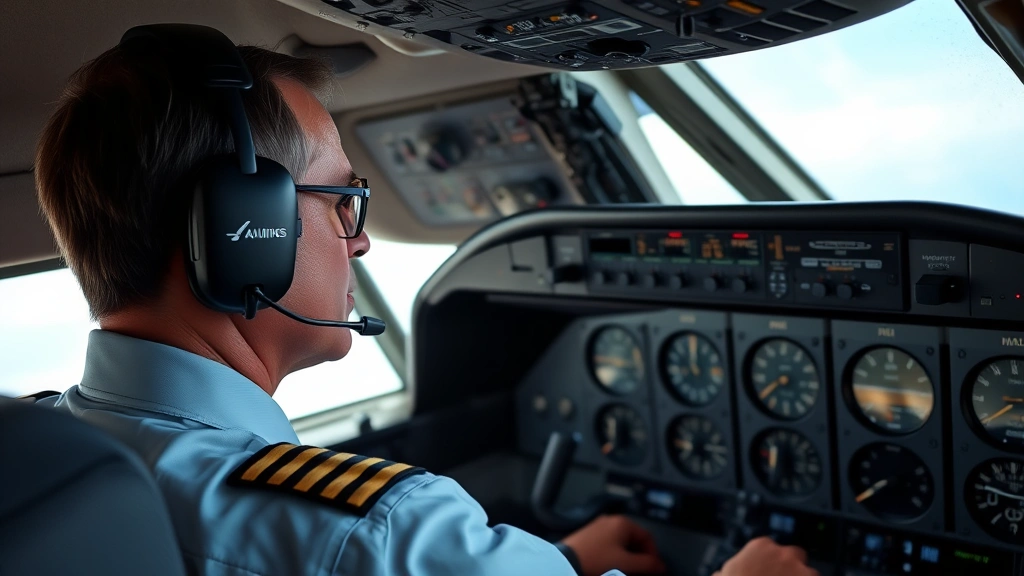
Passengers should understand that executing a go-around requires significant skill and training. Pilots must manage multiple aircraft systems simultaneously while communicating with air traffic control and managing the aircraft’s energy and flight path. The training required to safely execute a go-around is part of every pilot’s initial certification and recurrent training throughout their career.
For nervous passengers, knowing that best airlines for long flights like American Airlines maintain rigorous pilot training standards should provide reassurance. The pilots operating your flight have undergone hundreds of hours of training, including extensive practice with go-around procedures in flight simulators and actual flight operations.
Passenger Experience During an Abort
When an American Airlines flight aborts its landing, passengers experience several distinct sensations and sounds. Understanding what’s happening during these moments can help reduce anxiety and transform a potentially stressful situation into an educational opportunity.
The first indication that a go-around is occurring is typically an increase in engine noise and vibration. As pilots advance the throttles to increase power, the engines produce noticeably more noise. Passengers may hear the engines spool up from a relatively quiet descent configuration to a more aggressive power setting. This sudden noise increase is often the first sign that something unusual is happening.
Simultaneously, passengers will feel the aircraft’s pitch change. Instead of the gentle descent they’ve been experiencing, the aircraft suddenly begins climbing. This pitch change is smooth and controlled but noticeable, and it may cause passengers to shift slightly in their seats. Some passengers may experience mild disorientation during this maneuver, particularly if they weren’t expecting it.
The landing gear, which has been lowered during the approach, remains down during the initial climb phase. This creates additional drag and noise, which passengers may notice. The gear will eventually be retracted once the aircraft reaches a safe altitude and airspeed, and this retraction is accompanied by a mechanical sound and slight vibration as the gear mechanism operates.
Pilots typically make an announcement explaining the go-around once the aircraft is safely climbing and the immediate workload has decreased. This announcement is crucial for passenger comfort and understanding. A professional pilot explanation—such as “Ladies and gentlemen, we’ve initiated a go-around due to traffic on the runway. We’ll climb to altitude and attempt another landing shortly. Thank you for your patience”—helps passengers understand that the situation is under control and that safety is being prioritized.
After the go-around announcement, passengers may experience a period of holding or circling while the aircraft returns to the landing sequence. This period varies depending on traffic conditions and the reason for the original abort. Some passengers use this time to check their phones or adjust their belongings, while others may experience anxiety about potential delays. Remember that what happens if you miss your flight is a common concern, but American Airlines has protocols to accommodate passengers on subsequent flights if significant delays occur.
Airline Policies and Regulations
American Airlines operates under Federal Aviation Regulations (FARs) that establish minimum standards for all aspects of flight operations, including approach and landing procedures. Part 121 of the FARs, which governs commercial air carrier operations, provides detailed requirements for landing procedures and go-around operations.
These regulations explicitly authorize pilots to abort landings whenever they determine that continuing the landing would be unsafe. This authority is absolute and cannot be overridden by scheduling pressures, passenger complaints, or airline management directives. The U.S. Department of Transportation (DOT) enforces these regulations and investigates any incidents where airlines attempt to pressure pilots into unsafe operations.
American Airlines’ internal policies support and encourage go-arounds. The airline’s pilot training program includes extensive instruction on go-around procedures and emphasizes that go-arounds are a routine, expected part of flight operations. Flight crews are not penalized for executing go-arounds, and in fact, the airline recognizes that pilots who execute appropriate go-arounds are demonstrating good judgment and professionalism.
From a passenger compensation perspective, landing aborts that result in significant delays may entitle passengers to compensation under DOT regulations. If an American Airlines flight is delayed more than three hours due to a go-around and subsequent diversion or extended holding, passengers may be eligible for compensation. However, this compensation is typically only available if the delay results in arrival at the final destination more than three hours late, and certain circumstances—such as weather or air traffic control issues—may exempt the airline from compensation requirements.
The FAA’s Office of Safety and Mission Assurance continuously monitors landing abort statistics and uses this data to improve airport operations and pilot training. Airports with unusually high go-around rates may implement procedural changes or additional safety measures to reduce the frequency of aborts while maintaining safety standards.
Passengers planning flights into Reagan National Airport should be aware that landing aborts are more common at this airport than at many others due to its operational characteristics. Building extra time into connecting flight schedules and remaining flexible with plans can help mitigate the impact of potential delays caused by landing aborts or diversions. Understanding the best times to book airline tickets can sometimes help you choose flights with more favorable weather patterns or less congested departure times.
FAQ
Is a landing abort dangerous?
No, landing aborts are not dangerous. In fact, they’re a crucial safety mechanism. Pilots execute go-arounds when they determine that continuing a landing approach would be unsafe. The decision to abort is always the safest choice, and modern aircraft are specifically designed to handle go-around maneuvers safely.
How often do landing aborts occur?
Landing aborts occur thousands of times daily across the world’s airports. At busy airports like Reagan National, go-arounds happen multiple times per day. The exact frequency varies based on weather, traffic, and airport operational factors, but aborts are a routine, expected part of aviation operations.
Will I be compensated if my flight is delayed due to a go-around?
You may be eligible for DOT compensation if the delay results in arrival at your final destination more than three hours late and the delay wasn’t caused by weather or other exempt circumstances. American Airlines can provide information about compensation eligibility based on your specific situation.
Can pilots practice go-arounds?
Yes, pilots practice go-arounds regularly. Initial pilot training includes numerous go-around practice sessions, and recurrent training throughout a pilot’s career includes periodic go-around practice. Many pilots also practice go-arounds during normal flight operations by intentionally executing go-arounds when conditions are appropriate, even if the landing could have been completed safely.
What’s the difference between a go-around and a missed approach?
The terms are often used interchangeably, but technically a “missed approach” refers to a published procedure that pilots follow when they cannot complete a landing during an instrument approach. A “go-around” is the general maneuver of aborting a landing and climbing back to altitude. All missed approaches involve go-around maneuvers, but not all go-arounds follow published missed approach procedures.
How does wind shear affect landing operations?
Wind shear—sudden changes in wind speed or direction—can significantly affect aircraft performance during landing. Modern aircraft are equipped with wind shear detection systems that alert pilots to dangerous conditions. When wind shear is detected, pilots typically abort the landing to ensure safety. Wind shear is a particular concern at Reagan National Airport due to its river valley location.
Can bad weather cause landing aborts?
Yes, weather is a common reason for landing aborts. Thunderstorms, heavy rain, low visibility, wind shear, and other weather phenomena can make landing unsafe. Pilots will abort landings when weather conditions exceed the aircraft’s certified minimums or when the pilot determines that conditions are marginal for safe landing operations.
What happens after a go-around?
After a go-around, the pilot climbs to a safe altitude and communicates with air traffic control. The controller will provide instructions for either another landing attempt or a diversion to an alternate airport. If conditions improve, the aircraft typically returns to the landing sequence and attempts to land again. If conditions don’t improve, the flight may divert to an alternate airport.