Are Christmas Eve Flights Delayed? American Airlines Insights and Travel Tips
Christmas Eve represents one of the busiest travel periods of the year, and American Airlines passengers frequently wonder whether their holiday flights will experience delays. The short answer is yes—Christmas Eve flights are statistically more prone to delays than average travel days, but understanding the causes and preparing accordingly can significantly improve your travel experience. This comprehensive guide explores the factors contributing to Christmas Eve flight delays, American Airlines’ performance metrics, and actionable strategies to navigate the holiday rush successfully.
The holiday season transforms airports into chaotic hubs of activity, with passenger volumes reaching peak levels. American Airlines, as one of the nation’s largest carriers, manages thousands of flights during this period, making it crucial for travelers to understand what to expect and how to protect their holiday plans.
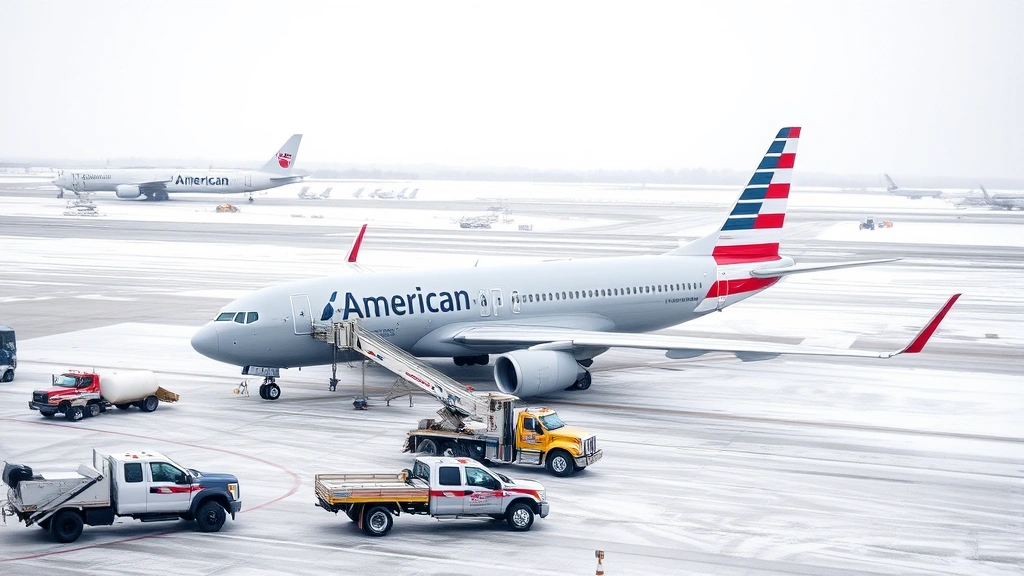
Why Christmas Eve Flights Experience Delays
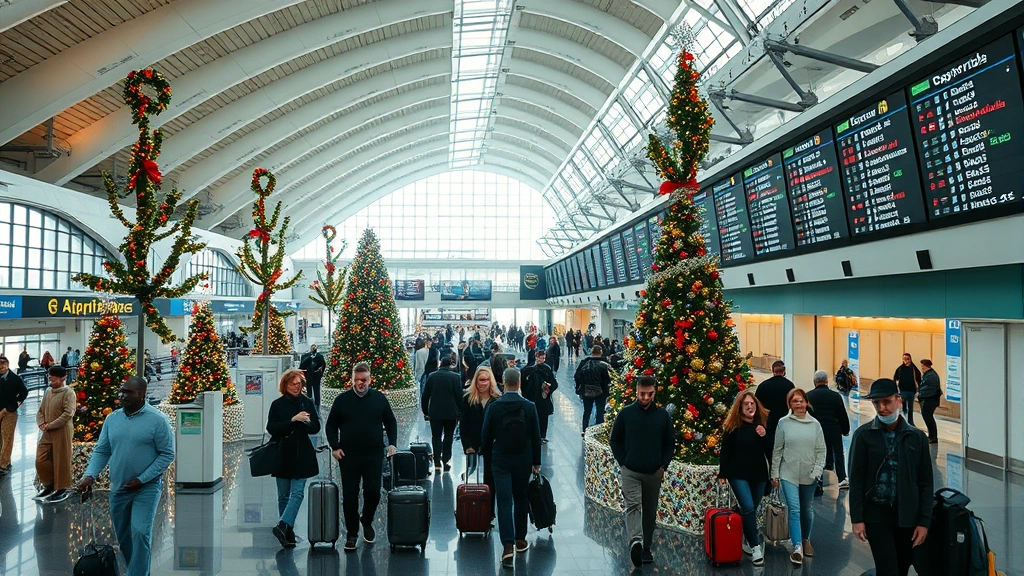
Christmas Eve flights face unique challenges that create a perfect storm for delays. The primary factor is sheer volume—airports experience 2-3 times their normal passenger traffic during the holiday week. American Airlines operates at maximum capacity, with aircraft scheduled back-to-back throughout the day to accommodate demand. This leaves minimal buffer time between flights, meaning a single delay cascades through the entire day’s schedule.
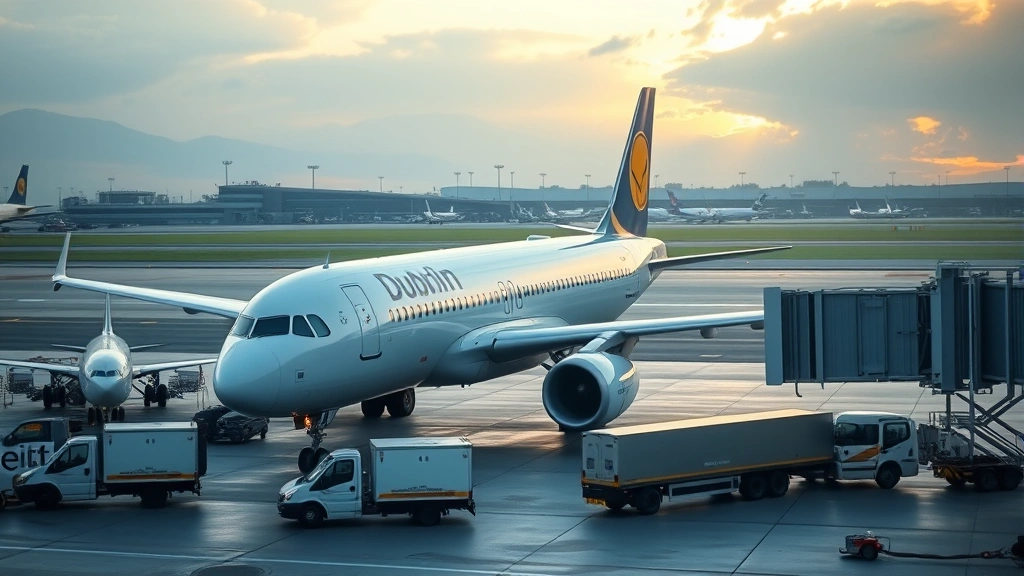
Ground operations become bottlenecks during peak holiday travel. Baggage handling systems work overtime, de-icing crews stand ready in cold climates, and gate availability becomes scarce. Flight crews face mandatory rest requirements, and when delays occur, crew scheduling becomes problematic, forcing cancellations or further delays. Additionally, the increased number of passengers means longer security lines, more boarding time, and extended pushback procedures.
Mechanical issues also increase during holiday season due to the heavy utilization of aircraft. Planes that normally fly 8-10 hours daily might fly 12-14 hours during peak season, increasing wear and tear. American Airlines must balance aggressive scheduling with maintenance requirements, sometimes resulting in unexpected mechanical delays.
Air traffic control congestion represents another significant factor. Major hub airports, where American Airlines concentrates operations, experience longer taxi times and holding patterns. Runway capacity limitations mean aircraft must wait for takeoff clearance, particularly during peak afternoon hours on Christmas Eve.

American Airlines Performance Statistics
Historical data reveals concerning patterns for American Airlines during Christmas week. According to the U.S. Department of Transportation, American Airlines experiences delay rates of 25-35% during the week before Christmas, compared to their annual average of approximately 15-18%. Christmas Eve specifically shows even worse performance, with some years recording 40% of flights experiencing delays exceeding 15 minutes.
The airline’s major hubs—Dallas/Fort Worth, Charlotte, and Phoenix—are particularly affected. These congested hubs experience compounded delays as connecting passengers miss their flights, forcing rebooking on subsequent flights. American Airlines’ integrated network structure means delays at hub airports ripple throughout their system nationally.
Cancellation rates also spike during Christmas week. While American Airlines maintains a relatively low cancellation rate year-round, Christmas Eve sees cancellations increase to 2-4% of scheduled flights. These cancellations often result from crew scheduling issues, mechanical problems that cannot be quickly resolved, or weather-related challenges. American Airlines’ official website provides real-time flight status information, essential for tracking your specific flight.
Interestingly, Christmas morning flights (before 10 AM) experience fewer delays than afternoon and evening flights. This pattern reflects the gradual buildup of congestion throughout the day. Similarly, early morning December 24th flights avoid much of the holiday rush, though they require earlier departure times from home.
Peak Delay Times on Christmas Eve
Understanding when delays peak helps you strategically plan your travel. Christmas Eve delays follow predictable patterns:
- Morning departures (6 AM-10 AM): Generally experience minimal delays, with on-time performance near 80-85%. These flights depart before the day’s congestion builds.
- Mid-morning to early afternoon (10 AM-2 PM): Begin experiencing moderate delays as airport activity increases. Expect 20-30 minute delays becoming common.
- Afternoon peak (2 PM-6 PM): The absolute worst period, with 40-60% of flights experiencing delays exceeding 30 minutes. This window captures maximum passenger volume and crew fatigue.
- Evening departures (6 PM-11 PM): Continue experiencing significant delays as earlier delays cascade through the system. Many passengers attempt evening flights after missing earlier connections.
- Late night flights (after 11 PM): Often experience improved on-time performance as passenger volume decreases, though these flights arrive Christmas morning.
This temporal pattern reflects the psychology of holiday travel—most passengers attempt to depart during daytime hours, creating artificial peaks that strain airport resources. Smart travelers leverage this knowledge by booking either very early or very late flights.
Weather Impact on Holiday Flights
December weather introduces unpredictability into Christmas Eve flight operations. Winter storms, particularly across the northern United States, create widespread delays and cancellations. American Airlines operates flights across all regions, making them vulnerable to weather disruptions nationwide.
Snow and ice conditions at major hubs require de-icing procedures that add 30-60 minutes to ground operations. Visibility restrictions force air traffic control to reduce landing rates, creating holding patterns that consume fuel and extend flight times. Wind shear alerts ground aircraft during severe weather, compounding delays.
Interestingly, the National Weather Service provides valuable forecasting information for your travel corridor. Checking weather forecasts for both your departure and arrival cities allows you to anticipate potential delays. If significant winter weather threatens your route, consider rebooking to earlier flights before conditions deteriorate.
Climate patterns typically bring winter weather to the northern tier of states during late December. Travelers heading to northeastern destinations face higher delay risk than those flying to southern or western locations. This geographic variation allows you to choose routes with better weather prospects when flexible with destinations.
Booking Strategies to Avoid Delays
Strategic booking decisions dramatically reduce your likelihood of experiencing Christmas Eve delays. First, consider booking the best times to book airline tickets strategically. Rather than booking the day before Christmas Eve, purchase your ticket 3-4 weeks in advance. This provides time to change your flight if you notice operational issues developing, whereas last-minute bookings lock you into problematic flights.
Choose early morning departure times whenever possible. A 7 AM American Airlines flight on Christmas Eve offers substantially better on-time performance than afternoon alternatives. While early departures require leaving home around 4-5 AM, you’ll arrive at your destination earlier and avoid cascading delays that accumulate throughout the day.
Alternatively, consider flying December 23rd instead of Christmas Eve. The day before Christmas Eve experiences significantly lower passenger volumes and better on-time performance. You’ll arrive at your destination with a full day to spare, reducing stress and providing buffer time if issues arise. This approach costs marginally more but provides substantial peace of mind.
Select flights with minimal connections. Direct flights eliminate the risk of missing connections due to delays on your first flight. If you must connect, choose flights with adequate layover time—at least 2 hours for domestic connections through major hubs. This buffer absorbs moderate delays without forcing you to miss your connection.
When booking, check best airlines for long flights to understand carrier-specific performance. While American Airlines operates extensive networks, some regional carriers might offer better on-time performance on specific routes. Comparing options helps you make informed decisions.
What to Do If Your Flight Is Delayed
Despite careful planning, delays happen. Knowing how to respond protects your holiday plans and maximizes your comfort. First, understand your rights. The U.S. Department of Transportation provides detailed consumer protection information regarding flight delays and compensation eligibility.
When American Airlines announces a delay, immediately check alternative flight options. Use the American Airlines app or website to view available flights to your destination. If you’re in danger of missing your connection, ask the gate agent about rebooking options before the delay becomes critical. Early action often results in better rebooking options than waiting until your connection time approaches.
For extended delays, American Airlines typically provides meal vouchers and hotel accommodations if the delay extends overnight. Request these from the airline rather than assuming you’ll receive them automatically. Keep all receipts for expenses incurred due to delays—you may qualify for compensation depending on delay length and circumstances.
Stay informed through multiple channels. Monitor the American Airlines app for real-time updates, but also check airport information displays and listen to gate announcements. Airlines sometimes update their apps before making public announcements, giving you a few minutes’ advance notice of changes.
Connect with other passengers in your situation. If rebooking becomes necessary, coordinating with fellow passengers sometimes allows you to negotiate group rebooking to preferred flights. Airlines occasionally accommodate group requests when multiple passengers request the same alternative.
Preparing for Your Christmas Eve Journey
Successful Christmas Eve travel requires preparation extending beyond flight booking. Review airline luggage size restrictions to avoid last-minute complications at check-in. Oversized or excess baggage creates delays and frustration when you’re already stressed about holiday travel.
Arrive at the airport earlier than normal—at least 3 hours for domestic flights on Christmas Eve. The extended security lines and crowded terminals require additional time. Arriving early also provides flexibility if you encounter issues with your reservation or need to make last-minute changes.
Pack a carry-on bag with essentials—medications, chargers, change of clothes, toiletries, and important documents. If your flight is delayed or canceled, you’ll have access to necessities while waiting for rebooking. This preparation prevents the frustration of being stuck in an airport without access to basic comfort items.
Inform family members of your expected arrival time, but also warn them that delays are possible. Setting realistic expectations prevents anxiety if you arrive later than planned. Provide them with your flight number so they can track your flight status independently.
Consider purchasing travel insurance that covers flight delays and cancellations. While it adds to your ticket cost, the peace of mind and protection against significant delays justifies the expense for important holiday travel. Some travel insurance policies provide compensation if you miss Christmas events due to flight delays.
Review airlines key information and tips for travelers to understand American Airlines’ specific policies regarding delays, rebooking, and passenger assistance. Knowing your rights and the airline’s procedures empowers you to advocate effectively if issues arise.
Finally, visit the Sky Voyage Hub Blog for comprehensive travel planning resources and tips. Additional destination-specific information helps you prepare thoroughly for your Christmas Eve journey, whether you’re traveling domestically or internationally.
FAQ
What percentage of American Airlines flights are delayed on Christmas Eve?
Historical data shows that 25-40% of American Airlines flights experience delays on Christmas Eve, significantly higher than their annual average of 15-18%. Delays exceeding 30 minutes are common, particularly during afternoon hours.
What time should I book my Christmas Eve flight to avoid delays?
Early morning flights, particularly those departing before 10 AM, experience the best on-time performance on Christmas Eve. These flights typically achieve 80-85% on-time arrival rates, compared to afternoon flights experiencing 40-60% delay rates.
Can I change my flight if I see delays developing?
Yes, American Airlines allows flight changes, though fees may apply depending on your ticket type. If you book early and monitor flight operations, you can proactively change to earlier flights if delays appear likely, potentially avoiding problems entirely.
Does American Airlines provide compensation for Christmas Eve delays?
Compensation eligibility depends on delay length and circumstances. Delays within the airline’s control exceeding 3 hours may qualify for compensation under DOT regulations. Delays caused by weather or air traffic control typically don’t qualify for compensation, though the airline may provide accommodations for extended delays.
Should I fly December 23rd instead of Christmas Eve?
Flying December 23rd is an excellent strategy if your schedule allows. This date experiences substantially lower passenger volumes and significantly better on-time performance. You’ll arrive with time to spare and avoid the Christmas Eve rush entirely.
What should I pack for a potentially delayed Christmas Eve flight?
Pack a carry-on with essentials including medications, chargers, a change of clothes, toiletries, snacks, and entertainment. If your flight is delayed or canceled, you’ll have access to necessities while waiting for rebooking, preventing additional stress during an already hectic day.
How can I track my American Airlines flight status?
Use the American Airlines mobile app or website to track real-time flight status. You can also check airport information displays or call American Airlines customer service. Monitoring multiple sources ensures you receive timely notifications about any changes to your flight.