Automatic Refunds: Airline Policies Explained
Understanding airline refund policies has become essential for modern travelers. Whether you’re booking a weekend getaway or planning a complex international journey, knowing when and how you’ll receive automatic refunds can save you time, money, and frustration. Airlines have significantly evolved their refund policies in recent years, particularly following the pandemic, making it crucial to stay informed about your consumer rights.
The landscape of automatic airline flight refunds varies dramatically across carriers and jurisdictions. Some airlines automatically issue refunds for cancellations, while others require passenger intervention. This comprehensive guide breaks down the complexities of airline refund policies, helping you understand your rights and the procedures you need to follow to secure your money.
Understanding Automatic Refunds
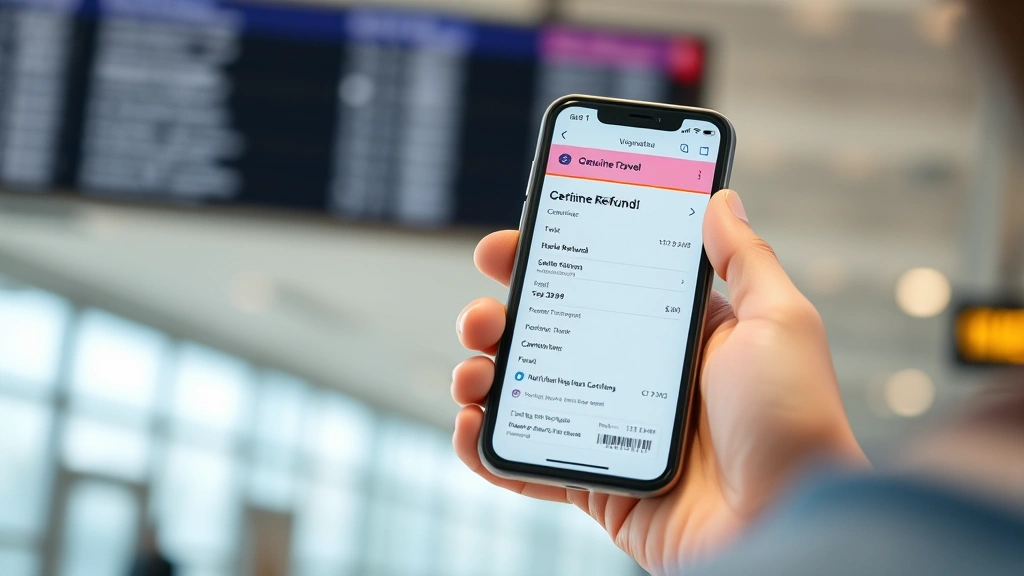
Automatic airline flight refunds represent one of the most misunderstood aspects of air travel. Many passengers assume they’ll automatically receive their money back when a flight is cancelled, but the reality is more nuanced. An automatic refund means the airline processes the reimbursement without requiring you to submit a specific claim, though you may still need to initiate the process by confirming your cancellation or missed flight.
The distinction between automatic and manual refunds matters significantly. With automatic refunds, airlines typically initiate the process once they confirm your eligibility. Manual refunds require you to contact the airline directly and provide documentation proving you paid for the ticket and are entitled to compensation. Most major carriers have moved toward more automated systems, particularly for cancelled flights, though the speed and method of reimbursement remain highly variable.
When booking flights, understanding refund eligibility depends on your ticket type. Refundable tickets guarantee you’ll receive your full payment back if you cancel or if the airline cancels the flight. Non-refundable tickets are more restrictive, typically only qualifying for refunds in specific circumstances like airline-initiated cancellations. Many travelers don’t realize that the best times to book airline tickets often correlate with better refund policies being available.
When Airlines Must Issue Refunds
Airlines are legally obligated to issue refunds in specific situations, regardless of ticket type. Understanding these scenarios protects your consumer rights and ensures you receive the compensation you’re entitled to receive. The most common trigger for automatic refunds is airline-initiated cancellation, where the carrier cancels the flight before departure.
Flight cancellations represent the primary scenario where refunds become mandatory. When an airline cancels a flight, you have three primary options: rebooking on the next available flight, rebooking on a later flight of your choice, or receiving a full refund. Most airlines process cancellation refunds within 7-14 days, though some carriers take significantly longer. The key distinction is that you must choose your option; airlines cannot unilaterally decide to rebook you without your consent.
Significant delays also trigger refund eligibility in many jurisdictions. If your flight arrives more than three hours late at your final destination, you may qualify for compensation and refunds depending on your location and flight distance. The U.S. Department of Transportation provides specific guidance on passenger rights for delays and cancellations.
Missed connections caused by the airline’s fault can also warrant refunds. If you miss your connecting flight due to a delay from your first flight, and the airline cannot rebook you on another flight the same day, you typically qualify for a refund of the unused portion of your ticket. Overbooking situations, where airlines sell more seats than available, also guarantee compensation and refund options for involuntarily denied boarding.
Refund Processing Timelines
The timeline for receiving your automatic airline flight refund varies considerably based on your payment method, airline, and refund type. Understanding these timelines helps you track your refund and identify when to follow up if payment hasn’t arrived.
Credit and debit card refunds typically process within 7-10 business days after the airline initiates the refund. However, your card issuer may take an additional 3-5 business days to post the credit to your account. This means you might wait up to two weeks from the airline’s processing date before seeing the money in your account. Some premium credit cards offer expedited refund processing, which can shorten this timeline considerably.
Original payment method refunds are the standard for most airlines. If you paid with a credit card, the refund goes back to that credit card. If you paid via debit card, the refund processes through the debit card network. Refunds made through alternative payment methods like PayPal or Apple Pay typically process faster, sometimes within 3-5 business days.
Bank transfers and wire transfers present different timelines. Direct bank transfers may take 5-10 business days depending on your bank’s processing speed. International wire transfers can take 10-15 business days, particularly when currency conversion is involved. During peak travel seasons or after major disruptions, processing times can extend significantly, sometimes reaching 30 days or more.
Vouchers and travel credits typically appear in your airline account immediately or within 24 hours. However, these are not refunds in the traditional sense; they represent future travel credits rather than cash reimbursement. Understanding the difference between vouchers and refunds is critical when evaluating your compensation options.
Airline-Specific Refund Policies
Each major airline maintains distinct refund policies, and these policies have evolved considerably in recent years. The best airlines for frequent flyers often provide more transparent and traveler-friendly refund policies compared to budget carriers.
United Airlines processes refunds for cancelled flights within 7-10 business days when paying by credit card. For vouchers, United issues them immediately but with varying expiration dates depending on when the flight was cancelled. United’s policy requires you to initiate the refund request through their website or customer service, though they’ve increasingly automated this process for flight cancellations.
American Airlines typically processes refunds within 7-10 business days for cancelled flights. American offers automatic refund initiation for many cancellations, particularly those caused by weather or airline operational issues. However, for schedule changes that don’t meet their refund criteria, they may only offer rebooking or vouchers.
Delta Air Lines processes cancelled flight refunds within 7-14 business days. Delta has implemented automatic refund processing for most cancellation scenarios, though you may need to confirm your cancellation through their website. Delta’s refund policy is generally considered among the more passenger-friendly major carrier policies.
Southwest Airlines stands out with an automatic refund policy for all cancelled flights. Southwest’s unique business model, which doesn’t charge baggage fees and typically offers more flexible policies, extends to refunds. Southwest typically processes refunds within 5-10 business days, and they automatically initiate the process without requiring passenger intervention.
Budget carriers like Spirit and Frontier often have more restrictive refund policies. These airlines may only offer vouchers for cancellations rather than automatic cash refunds. Budget carriers typically require you to contact them directly to claim any refund eligibility, and they may impose strict documentation requirements.
International carriers such as Lufthansa, British Airways, and Air France operate under different regulatory frameworks, particularly European Union regulations that mandate stricter refund policies. These airlines generally offer more generous automatic refund policies, especially for EU-originating flights.
Credit Vouchers vs Cash Refunds
One of the most contentious aspects of airline refund policies involves the distinction between cash refunds and travel vouchers or credit. Understanding this difference is crucial when evaluating your compensation options.
Cash refunds represent your original payment returned to your account. A true cash refund requires no future action from you; the money simply reappears in your account. Cash refunds are generally preferable because they provide complete flexibility—you can use the money for any travel provider, not just the airline that cancelled your flight.
Travel vouchers or flight credits represent a promise of future travel with that specific airline. When an airline offers a voucher, you cannot use it elsewhere; you must fly with that airline or lose the credit entirely. Vouchers often come with restrictive terms, including expiration dates, blackout dates, and restrictions on route flexibility. Some vouchers cannot be transferred to other passengers, limiting their utility if your travel plans change.
During the pandemic, airlines heavily pushed vouchers instead of refunds, creating significant controversy. Many passengers lost vouchers when airlines went bankrupt or when credit expiration dates passed without the ability to travel. Regulatory agencies have since cracked down on this practice, requiring clearer disclosure of voucher terms and, in many cases, mandating cash refund options.
The choice between vouchers and cash refunds often depends on your confidence in your future travel plans. If you’re certain you’ll fly with that airline again, a voucher might offer better value if the airline adds bonus miles or additional credit. However, if your travel plans are uncertain, a cash refund provides superior protection and flexibility.
Some airlines now offer incentives to accept vouchers instead of refunds. These incentives might include a 20-50% bonus on the voucher value, making the offer more attractive. However, carefully read the terms before accepting—the bonus value is only useful if you actually use the voucher before expiration.
International Refund Regulations
Refund policies vary dramatically depending on your flight origin, destination, and the airline’s home country. International regulations have created a complex landscape of passenger protections that travelers must navigate.
European Union Regulation 261/2004 represents the world’s strictest airline refund requirement. Under EU law, passengers are entitled to a full refund if they cancel their booking or if the airline cancels the flight, regardless of the reason (except extraordinary circumstances). Airlines cannot force passengers to accept vouchers; cash refunds are mandatory. This regulation applies to all flights departing from EU airports, regardless of the airline’s nationality.
United States regulations, enforced by the Department of Transportation, require refunds for airline-cancelled flights, but the rules are less stringent than EU regulations. U.S. carriers must refund cancelled flights, but they have more flexibility in determining what constitutes an “extraordinary circumstance” that exempts them from refund obligations. Schedule changes that don’t meet DOT requirements may only entitle passengers to rebooking or vouchers, not refunds.
Canadian regulations through the Canadian Transportation Agency have strengthened significantly in recent years. Canadian carriers must now provide refunds for cancelled flights, with limited exceptions. Processing timelines are typically 30 days, though this can extend to 60 days in complex cases.
Australian regulations through the Australian Competition and Consumer Commission require refunds for cancelled flights and significant delays. Australia’s “Australian Consumer Law” provides strong protections for air passengers, with automatic refund rights for cancellations.
The International Air Transport Association provides resources on global passenger rights, though regulations vary significantly by country. When traveling internationally, research the specific regulations that apply to your flight route.
How to Claim Your Refund
While “automatic” refunds sound effortless, the reality often requires some passenger action. Understanding the claim process ensures you don’t miss deadlines or fail to provide necessary documentation.
For airline-cancelled flights: Most airlines now automatically initiate refunds for cancellations, but you typically need to confirm your cancellation through their website or customer service. Log into your airline account, locate your booking, and look for a “request refund” or “cancel flight” option. Some airlines automatically process refunds without requiring this step, but confirming ensures the airline has your current payment information.
For missed connections: Contact the airline’s customer service within 24 hours of missing your connection. Provide your booking reference, flight information, and explanation of why you missed the connection. If the airline caused the delay, they should process a refund for the unused portion of your ticket. Keep documentation of the delay, such as boarding pass timestamps or written statements from airline staff.
For significant delays: Document your delay with boarding pass timestamps, flight status screenshots, and arrival time confirmation. Contact the airline within 30 days of the flight with your refund request. Include your booking reference, flight details, and documentation of the delay duration. Some airlines require you to submit claims through their website’s customer service portal.
For involuntary denied boarding: Airlines must immediately offer compensation and rebooking options. Request the airline provide written confirmation of the denial and compensation amount. The airline should process compensation within 7-10 business days.
Keep copies of all communications with the airline, including confirmation emails, reference numbers, and any documentation you submit. Take screenshots of your booking status and refund requests. This documentation protects you if disputes arise and helps you track your refund status.
Common Refund Scenarios
Real-world refund situations often involve complexity beyond simple cancellations. Understanding how refund policies apply to common scenarios helps you navigate unexpected travel disruptions.
Scenario 1: Airline Schedule Change – Your airline moves your flight time by more than two hours. You’re entitled to rebooking or a refund. If you choose a refund, the airline must process it within 7-10 business days. However, if you accept a rebooking on a flight that gets you to your destination within a few hours of your original arrival time, the airline may argue no refund is due. Request the refund in writing if you’re unhappy with the rebooked flight.
Scenario 2: Weather Cancellation – Your flight is cancelled due to a thunderstorm. Most airlines consider this an “extraordinary circumstance” and may not offer automatic cash refunds, only rebooking or vouchers. However, some jurisdictions, particularly the EU, mandate cash refunds even for weather-related cancellations. Verify the applicable regulations for your flight route.
Scenario 3: Mechanical Issues – Your flight is cancelled due to mechanical problems. This is the airline’s responsibility, and you’re entitled to a full refund. The airline cannot claim this as an extraordinary circumstance. Process your refund claim immediately, as some airlines impose time limits on refund requests.
Scenario 4: Oversold Flight – You’re involuntarily bumped from an oversold flight. You’re entitled to compensation equal to your ticket price (up to certain limits) plus a refund for the unused portion of your ticket if you choose not to rebook. The airline must offer these options immediately at the gate.
Scenario 5: Connecting Flight Cancellation – Your first flight arrives on time, but your connecting flight is cancelled. The airline must either rebook you on the next available flight or refund the unused portion of your ticket. If they rebook you on a flight that arrives more than 24 hours late, you may also qualify for compensation.
Scenario 6: Non-refundable Ticket Cancellation – You purchased a non-refundable ticket and need to cancel. Most airlines won’t issue cash refunds, but you can typically receive a travel voucher for the ticket value. However, if the airline subsequently cancels the flight, you’re entitled to a cash refund even though your original ticket was non-refundable.
Understanding essential tips for long haul flights includes knowing your refund rights, particularly since long-haul flights are more susceptible to cancellations and schedule changes due to their complexity.
FAQ
How long does an automatic airline refund take?
Automatic refunds typically process within 7-14 business days after the airline initiates the refund. Credit card refunds may take an additional 3-5 business days to appear in your account. Some airlines process refunds faster, sometimes within 5 business days. International refunds may take 10-15 business days due to currency conversion and international banking processes.
Can airlines refuse to give refunds?
Airlines can refuse refunds only in specific circumstances. If you purchased a non-refundable ticket and you initiated the cancellation, the airline can refuse a cash refund (though they typically offer a voucher). Airlines also claim exemptions for “extraordinary circumstances” like severe weather or security issues, though regulations vary by location. In EU jurisdictions, airlines rarely have valid refund exemptions. Always request a refund in writing if refused; you may appeal the decision.
What’s the difference between a refund and a voucher?
A refund returns your original payment to your account as cash. A voucher is a credit that you must use for future flights with that specific airline. Refunds offer complete flexibility; vouchers are restricted to one airline and typically have expiration dates. Refunds are generally preferable, but vouchers may offer bonus value during promotional periods.
Do I need to request an automatic refund?
For most airline-cancelled flights, airlines now process refunds automatically once you confirm the cancellation through their website or customer service. However, you typically need to access your booking and indicate you want a refund rather than rebooking. Some airlines require you to submit a formal refund request, particularly for delays or denied boarding situations. Check your airline’s website for specific instructions.
Can I get a refund if I missed my flight?
If you missed your flight due to your own circumstances, you typically cannot get a cash refund, only a voucher or rebooking on a later flight (usually with a change fee). However, if you missed your flight because the airline caused a delay on your previous flight, you’re entitled to a refund for the unused portion of your ticket. The airline must have caused the delay; weather or your own circumstances don’t warrant a refund.
What if the airline goes bankrupt?
If an airline goes bankrupt before processing your refund, you may lose your money. However, some protections exist in certain countries. In the EU, there’s a limited protection scheme for outstanding refunds. In the U.S., there’s no federal guarantee, though some states provide limited protections. Always use credit cards for flight purchases when possible, as credit card companies may dispute charges for bankrupt airlines. Check the DOT’s Air Consumer Protection Division for information on airline financial protection.
How do I track my refund status?
Log into your airline account and look for your booking. Most airlines display refund status in your booking details, showing whether the refund is pending, processed, or completed. If your airline doesn’t provide online tracking, contact customer service with your booking reference. Keep confirmation emails from your refund request, which typically include a reference number you can use to check status.
Can airlines require me to accept a voucher instead of a refund?
In the EU and some other jurisdictions, airlines cannot force you to accept a voucher; you have the right to demand a cash refund. In the U.S., airlines can offer vouchers as an alternative, but they must also offer the option of rebooking on another flight or a refund. Always explicitly request a refund if you want cash rather than a voucher, particularly with U.S. carriers.
What documentation do I need for a refund claim?
You typically need your booking reference, flight confirmation email, and proof of payment. For delay or denied boarding claims, keep your boarding pass, flight status screenshots, and any written communications from airline staff. For missed connections, document the delay with timestamps. For extraordinary circumstance claims, gather evidence supporting your case, such as weather reports or news articles about the incident.
Are travel insurance refunds the same as airline refunds?
No, travel insurance refunds are separate from airline refunds. If your flight is cancelled, the airline owes you a refund. Travel insurance may also reimburse you for losses if you purchased it, but these are separate claims. Always claim your airline refund first, then contact your insurance provider separately. Some insurance policies won’t cover situations where the airline provides a refund.