Best Beer Flights? Brewer’s Guide to Tasting Craft Beer Like a Pro
Whether you’re a seasoned craft beer enthusiast or just beginning to explore the world of brewing, understanding beer flights is essential to appreciating quality beverages. A beer flight is a curated selection of small-pour samples designed to showcase different styles, breweries, or flavor profiles in one tasting experience. This guide explores everything you need to know about beer flights, from selecting the perfect samples to understanding what makes a great tasting journey.
Beer flights have become a cornerstone of modern brewery culture, offering both casual drinkers and connoisseurs the opportunity to experience multiple beers without overwhelming the palate or committing to full pints. Whether you’re visiting a local taproom, traveling to a beer destination, or hosting a tasting at home, mastering the art of beer flights elevates your appreciation for craft brewing. This comprehensive brewer’s guide covers selection strategies, tasting techniques, and everything in between.
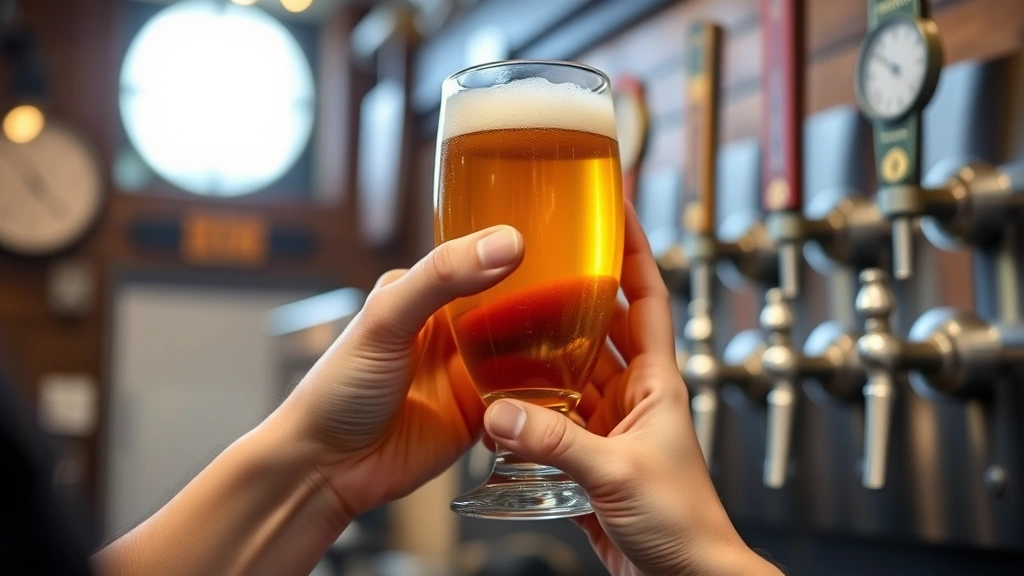
What is a Beer Flight?
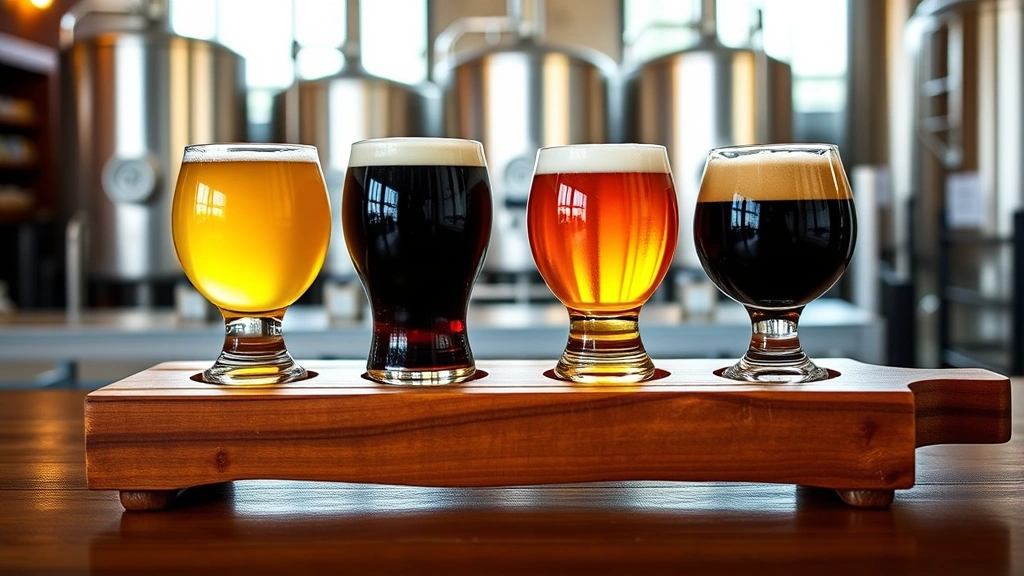
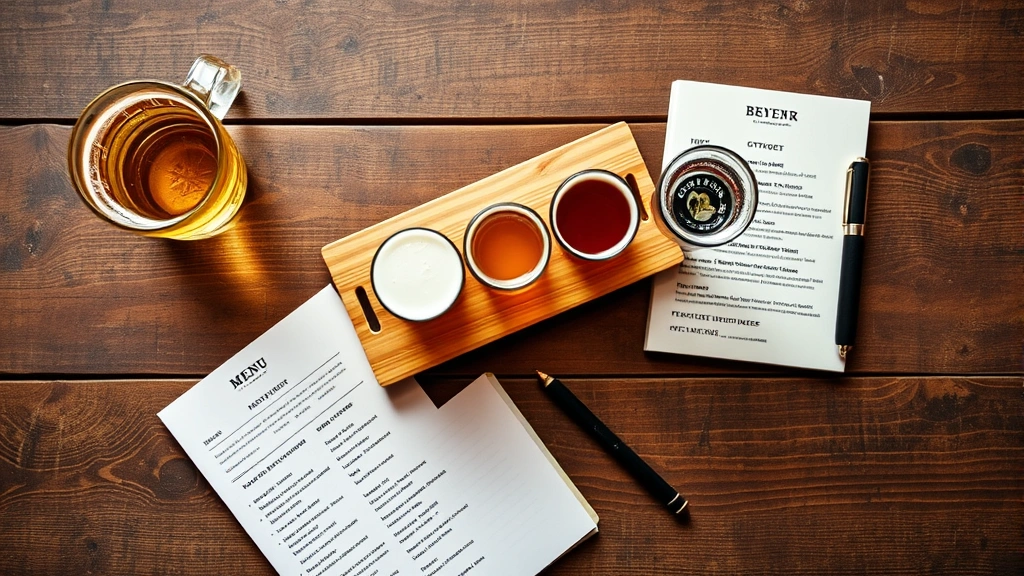
A beer flight consists of four to six small beer samples, typically ranging from 2 to 4 ounces each, served together on a wooden or slate board. This tasting format allows drinkers to explore multiple beers in a single sitting while maintaining control over consumption and cost. The term “flight” likely derives from aviation terminology, suggesting a journey through different beer experiences, much like traveling between destinations on an airline route.
The beauty of beer flights lies in their versatility and educational value. Rather than committing to a full pint of an unfamiliar beer, you can sample several options and discover new favorites. Many breweries offer curated flights designed by their brewmasters, featuring beers that complement each other or showcase the brewery’s signature styles. Some establishments allow custom flights, giving you complete control over your tasting experience.
Understanding the basics of beer flights enhances your ability to appreciate craft beer craftsmanship. Each sample in a well-designed flight serves a purpose, whether it’s introducing lighter styles before heavier ones or demonstrating how the same ingredients produce vastly different results through varying brewing techniques.
Understanding Flight Composition
The structure of a beer flight matters significantly for the tasting experience. Professional brewers and bartenders follow specific guidelines when assembling flights to maximize flavor appreciation and prevent palate fatigue. A typical flight progression moves from lighter to darker beers, milder to bolder flavors, and lower to higher alcohol content.
Flight size and pour amounts are standardized to ensure consistency. Most establishments serve 3-4 ounce pours, allowing tasters to experience the full complexity of each beer without overwhelming their senses. The number of samples typically ranges from four to six, with five being the industry standard for optimal tasting without palate saturation.
The serving order within a flight is crucial. Starting with lighter styles like pilsners or wheat beers allows your palate to adjust gradually. Moving through amber ales and IPAs before reaching stouts or imperial porters ensures each beer receives appropriate attention. This progression prevents stronger flavors from masking the subtleties of lighter brews.
Temperature control is another essential component of flight composition. Each beer style has an ideal serving temperature that highlights its characteristics. Lighter lagers benefit from cooler temperatures, while stouts and porters reveal more complexity when served slightly warmer. A professional flight service maintains appropriate temperatures throughout the tasting experience.
Selecting Your Ideal Beer Samples
Choosing the right beers for your flight depends on your preferences, experience level, and tasting goals. Whether you’re exploring a brewery’s complete portfolio or sampling different styles, strategic selection enhances your experience. Consider these factors when building your custom beer flight:
- Flavor profile preferences: Do you enjoy hoppy IPAs, smooth lagers, fruity wheat beers, or rich stouts? Start with styles you know you enjoy, then branch into unfamiliar territory.
- Alcohol content: Progress from lower ABV beers to higher ones to prevent palate overwhelm. A typical flight might range from 4% to 8% alcohol by volume across samples.
- Brewing techniques: Compare beers made with different methods—dry-hopped versus traditionally hopped, barrel-aged versus fresh, or single-hop versus blended varieties.
- Seasonal availability: Many breweries release seasonal flights featuring limited-edition brews. These flights showcase the brewery’s creative direction and ingredient availability throughout the year.
- Brewery diversity: If visiting a taproom with multiple breweries on tap, select samples from different producers to compare brewing philosophies and regional styles.
When selecting samples, consider the complementary nature of beers. A well-designed flight tells a story, whether it’s showcasing a brewery’s evolution, demonstrating how hops affect flavor, or comparing traditional styles with modern interpretations. This narrative approach transforms a simple tasting into an educational experience.
For those exploring craft beer while traveling, researching brewery flight offerings before your trip enhances your itinerary planning. Many breweries publish their flight options online, allowing you to plan tastings around specific themes or styles.
Tasting Techniques and Order
Proper tasting technique maximizes your ability to appreciate each beer’s unique characteristics. The following methodology helps you extract maximum flavor and aroma from your beer flight experience:
- Visual inspection: Examine each beer’s color, clarity, and head formation. Note the appearance before tasting—it provides clues about brewing style and ingredient selection.
- Aroma assessment: Bring the glass to your nose and inhale deeply. Identify hop aromas, malt characteristics, yeast esters, and any additional scents. This step accounts for approximately 75% of your taste perception.
- Initial sip: Take a small amount of beer into your mouth without swallowing immediately. Let it coat your palate, noticing the initial flavors and mouthfeel.
- Palate exploration: Move the beer around your mouth, paying attention to how flavors evolve. Notice the balance between bitterness, sweetness, and acidity.
- Finish evaluation: Swallow and observe the aftertaste. Quality beers leave pleasant, lingering flavors rather than harsh or metallic notes.
- Palate cleansing: Between samples, cleanse your palate with water or a neutral food like bread or crackers. This preparation ensures each beer receives fair evaluation.
The order of consumption within your flight significantly impacts your tasting experience. Always progress from lightest to darkest, lowest to highest alcohol content, and mildest to boldest flavors. This sequence prevents stronger beers from overwhelming your palate and masking the subtleties of lighter styles.
Taking notes during your tasting enhances learning and helps you remember which beers resonated with you. Jot down flavor notes, aroma characteristics, and your overall impressions. This practice proves especially valuable when visiting multiple breweries during travel, helping you track preferences and discoveries.
Beer Flight Styles by Category
Different beer flights cater to various interests and experience levels. Understanding available styles helps you select flights that match your goals and preferences.
Classic Brewery Flight: This standard offering showcases a brewery’s core lineup, typically featuring their signature beers and bestsellers. It’s perfect for first-time visitors wanting to understand the brewery’s identity and brewing philosophy. Most breweries price these competitively, making them excellent value for exploring a producer’s complete portfolio.
Seasonal Flight: Breweries rotate seasonal offerings throughout the year, with flights featuring limited-edition brews. Spring might highlight light, fruity styles; summer features refreshing lagers; fall brings spiced and pumpkin varieties; and winter showcases rich, warming beers. These flights celebrate seasonal ingredients and brewing traditions.
Single-Style Flight: Some breweries dedicate entire flights to exploring variations within a single style. An IPA flight, for example, might feature West Coast, New England, and Double IPA variations, demonstrating how brewers interpret the same style differently. These educational flights deepen your understanding of specific beer categories.
Hop-Forward Flight: Designed for hop enthusiasts, these flights feature beers showcasing different hop varieties. Each sample highlights unique characteristics—citrus, pine, floral, or fruity notes—demonstrating how hop selection influences final flavor profiles.
Barrel-Aged Flight: Premium flights featuring beers aged in various barrel types, including bourbon, wine, and rum casks. These flights showcase how wood aging complexity develops, with prices typically higher due to extended production timelines and ingredient costs.
Collaborative Flight: Multiple breweries partner to create unique beers featured together, celebrating regional brewing communities. These flights often benefit local causes or commemorate special events.
Home Brewing Flight Experiences
Creating beer flights at home allows you to customize experiences around your preferences and budget. Whether you’re comparing commercial beers or sampling your own homebrews, the principles remain consistent.
Start by selecting your beer samples strategically. Visit your local bottle shop and choose four to six beers representing different styles, breweries, or flavor profiles. Many bottle shops offer flight-friendly package options, sometimes providing discounts for purchasing multiple smaller bottles rather than full-size containers.
Invest in proper glassware for your home flights. While wine glasses work temporarily, beer-specific glasses—including tulips, snifters, and pints—enhance aromatic perception and presentation. A simple wooden board or serving platter holds your samples elegantly and keeps everything organized.
Temperature control is essential for home flights. Keep lighter beers in a cooler or refrigerator at 45-50°F, while darker styles benefit from slightly warmer temperatures around 50-55°F. Serve samples progressively to maintain proper temperatures throughout your tasting.
Document your experience by taking notes and photos. This practice helps you remember which beers you enjoyed and why, building your personal beer knowledge database. Over time, you’ll develop preferences and discover patterns in your taste evolution.
Home flights work wonderfully for entertaining guests, offering a sophisticated alternative to traditional beer consumption. Your friends appreciate the educational aspect and curated experience, making home flights memorable social events. Check out tips on accessing airport lounges during travel where many premium lounges offer craft beer selections worth exploring.
Travel Destinations for Beer Flights
Certain destinations worldwide have earned reputations as beer flight capitals, offering exceptional brewery experiences and tasting opportunities. Planning airline flights to these beer destinations creates memorable culinary adventures.
Denver, Colorado: America’s craft beer capital boasts over 150 breweries within metro areas, with many offering elaborate flight programs. The Brewers Association, headquartered in Boulder, supports this thriving community. Breweries along the Denver Beer Trail provide guided flight experiences and educational tastings.
Portland, Oregon: Known for innovative brewing and experimental styles, Portland’s brewery scene emphasizes hop-forward beers and creative ingredients. Many taprooms offer rotating flights featuring local and guest breweries, making each visit unique.
San Diego, California: The craft beer capital of the West Coast features year-round perfect weather for brewery visits. San Diego’s breweries specialize in IPAs and experimental styles, with flights showcasing regional hop characteristics.
Belgium: Traveling to Belgium offers access to centuries-old brewing traditions and unique styles unavailable elsewhere. Belgian breweries offer flights highlighting Trappist ales, lambics, and traditional farmhouse styles. Visit Belgian brewing heritage sites for authentic experiences.
Germany: Bavarian breweries offer flights celebrating lager traditions and seasonal specialties. German brewing societies organize flight tastings and educational events throughout the year.
Czech Republic: Prague’s historic breweries offer flights featuring pilsner styles and traditional Czech brewing methods. Many breweries combine flights with cultural tours, creating comprehensive brewery experiences.
When planning affordable airline tickets to beer destinations, timing your travel around brewery festivals maximizes your experience. Many destinations host annual beer festivals featuring flights from dozens of breweries in single-day events.
Before traveling internationally, research visa requirements and alcohol importation laws. While you can’t typically bring purchased beers home legally across borders, the memories and knowledge gained from international brewery flights prove invaluable. Check travel advisory resources for destination-specific information before booking your brewery adventure.
Understanding airline flight refund policies proves helpful when booking travel for brewery tours, ensuring flexibility if plans change. Similarly, reviewing airline flight delay compensation guidelines protects your interests during brewery-focused trips.
FAQ
What is the ideal number of beers in a flight?
Five beers represent the industry standard for optimal beer flights. This number provides sufficient variety without overwhelming your palate or requiring excessive time for proper tasting. Some flights feature four samples for lighter tastings, while premium experiences might include six or seven samples with larger pours.
How much beer is typically in each flight sample?
Standard flight pours range from 2 to 4 ounces per sample. Most breweries serve 3-ounce pours as standard, allowing tasters to experience full flavor complexity while maintaining control over total consumption. Premium flights sometimes feature larger 4-ounce pours, while introductory flights might offer slightly smaller 2-ounce samples.
Should I eat before a beer flight tasting?
Yes, consuming food before tasting beer flights is advisable. A light meal or substantial snacks help slow alcohol absorption and maintain clarity during tasting. Avoid strongly flavored foods immediately before flights, as residual tastes interfere with beer flavor perception. Many breweries pair flights with food recommendations for optimal experiences.
What’s the best way to order beers in a flight?
Always progress from lightest to darkest beers, lowest to highest alcohol content, and mildest to boldest flavors. This sequence prevents strong flavors from masking subtle characteristics in lighter beers. Within these parameters, organize flights thematically—by style, hop variety, or brewing technique—for coherent tasting narratives.
Can I request a custom beer flight?
Most breweries accommodate custom flight requests, though some may charge slightly more than standard flights. Call ahead to confirm availability and discuss your preferences. Custom flights work particularly well for groups with diverse tastes or specific learning goals, such as exploring single-hop variations or comparing seasonal offerings.
How do I prevent palate fatigue during beer flights?
Cleanse your palate between samples using water and neutral foods like bread or crackers. Take breaks between flights if tasting multiple flights in succession. Limit total beer consumption by taking small sips rather than finishing each sample. Proper flight progression—light to dark, mild to bold—also minimizes palate fatigue.
Are beer flights more expensive than buying individual beers?
Beer flights typically offer better value than purchasing individual beers separately. A flight costing $12-18 provides samples totaling approximately 15-20 ounces, compared to $15-25 for equivalent full-size pints. Flights also reduce waste if you dislike a particular beer, as you’ve only committed to a small sample rather than a full pint.