Colorado Flights: Safety Measures? Expert Review
Flying to or from Colorado has become increasingly common as Denver International Airport continues to expand its operations and connectivity. However, safety concerns surrounding aviation in the Rocky Mountain region persist among travelers. This comprehensive expert review examines the actual safety measures, protocols, and historical context of flights operating in Colorado airspace, addressing common anxieties while providing factual information about what makes modern air travel remarkably safe.
Whether you’re planning a trip to Denver, Aspen, or any other Colorado destination, understanding the safety infrastructure and regulatory frameworks governing these flights is essential. We’ll explore the sophisticated systems, trained personnel, and continuous improvements that protect passengers daily, while also discussing the rare incidents that have shaped aviation safety standards.
Understanding Aviation Safety Standards in Colorado
Aviation safety in Colorado operates under the same rigorous federal standards as every other state in the United States. The Federal Aviation Administration (FAA) maintains comprehensive regulations that apply uniformly across all domestic flights, regardless of geographic location. These standards have evolved significantly over decades, incorporating lessons learned from historical incidents and continuous technological advancement.
Colorado’s position in the Rocky Mountains introduces unique environmental factors that the aviation industry has thoroughly studied and addressed. The high altitude, variable weather patterns, and terrain characteristics require specialized training and equipment, but these factors are well-understood and managed by experienced professionals. Modern aircraft are engineered to handle the demanding conditions present in mountainous regions, and pilots operating in Colorado receive extensive preparation for these specific challenges.
The safety record of flights operating in Colorado demonstrates the effectiveness of current protocols. Statistical analysis shows that commercial aviation remains one of the safest forms of transportation, with fatality rates significantly lower than automobile travel. When examining specific incidents involving Colorado flights, investigators have consistently identified root causes and implemented preventative measures that benefit the entire aviation industry.
Regulatory Oversight and Certification
Every flight operating in Colorado airspace must comply with FAA regulations and policies that govern aircraft operations, pilot qualifications, and safety procedures. The FAA’s certification process is extensive and ongoing, requiring airlines to demonstrate compliance with hundreds of specific requirements before receiving operational approval.
Airlines serving Colorado destinations must maintain current certifications across multiple categories:
- Air Carrier Operating Certificates: These permits authorize airlines to conduct commercial passenger operations and require comprehensive safety management systems
- Aircraft Airworthiness Certificates: Each individual plane must be certified as airworthy before every flight, with detailed maintenance records reviewed by qualified inspectors
- Pilot Certificates and Ratings: Flight crews operating in Colorado must hold appropriate ratings for the aircraft type and maintain current medical certifications
- Maintenance Organization Approvals: All repair facilities and maintenance providers must be FAA-approved and regularly audited
The certification renewal process is continuous, ensuring that standards remain current with evolving safety knowledge. When you book flights to major destinations, you can be confident that the airline has undergone rigorous vetting by federal authorities.
Denver International Airport Safety Infrastructure
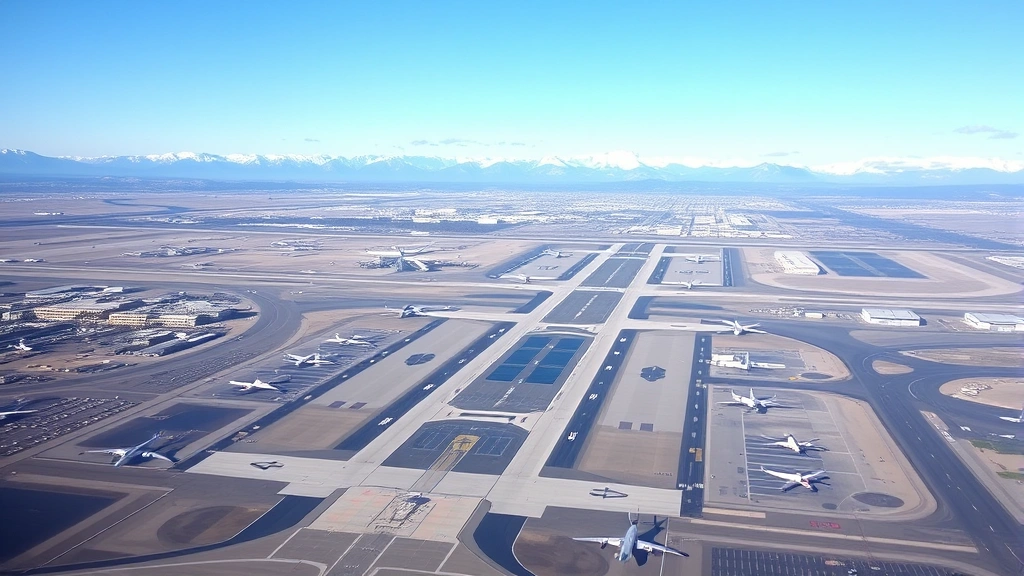
Denver International Airport (DEN), one of the busiest airports in the United States, has invested heavily in safety infrastructure and operational systems. The airport features state-of-the-art air traffic control facilities, advanced weather monitoring systems, and comprehensive emergency response capabilities.
The airport’s design incorporates multiple safety features:
- Modern runway configurations with precision approach systems for challenging weather conditions
- Advanced lighting systems that function effectively in Colorado’s variable visibility conditions
- Real-time weather monitoring with integration into flight planning systems
- Dedicated emergency response teams trained for various scenarios
- Redundant communication systems ensuring constant contact between aircraft and ground control
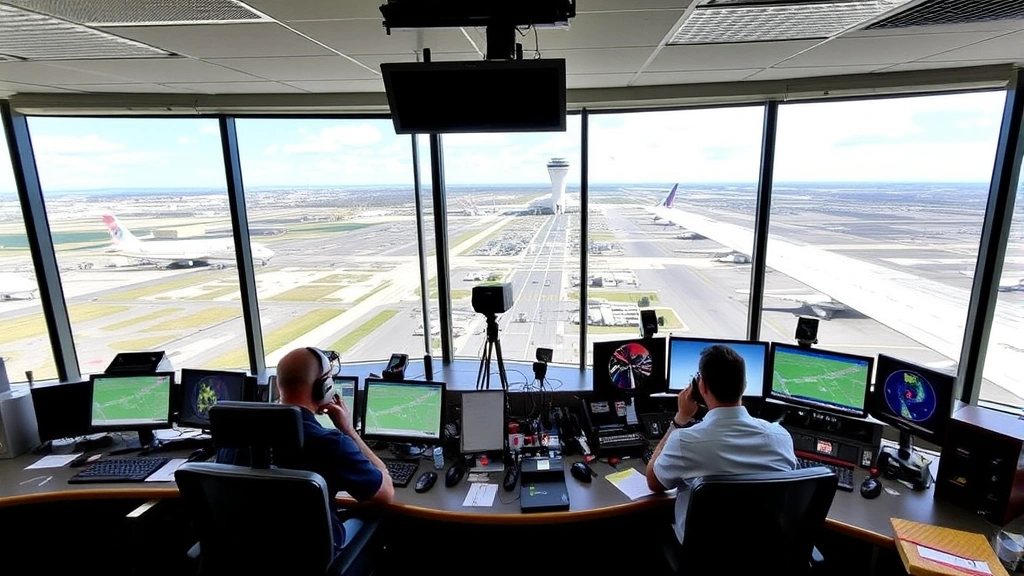
Airport operations are coordinated through an integrated system that manages traffic flow, monitors weather developments, and implements safety protocols. The control tower staff at Denver International Airport undergoes continuous training and certification, with specialists trained specifically for high-altitude airport operations.
Weather Challenges and Altitude Considerations
Colorado’s geography presents unique weather challenges that have shaped aviation safety practices. The state’s high elevation, variable atmospheric conditions, and rapid weather changes require specialized knowledge and equipment. However, these challenges are not unique to Colorado—pilots operating worldwide encounter similar situations in mountainous regions.
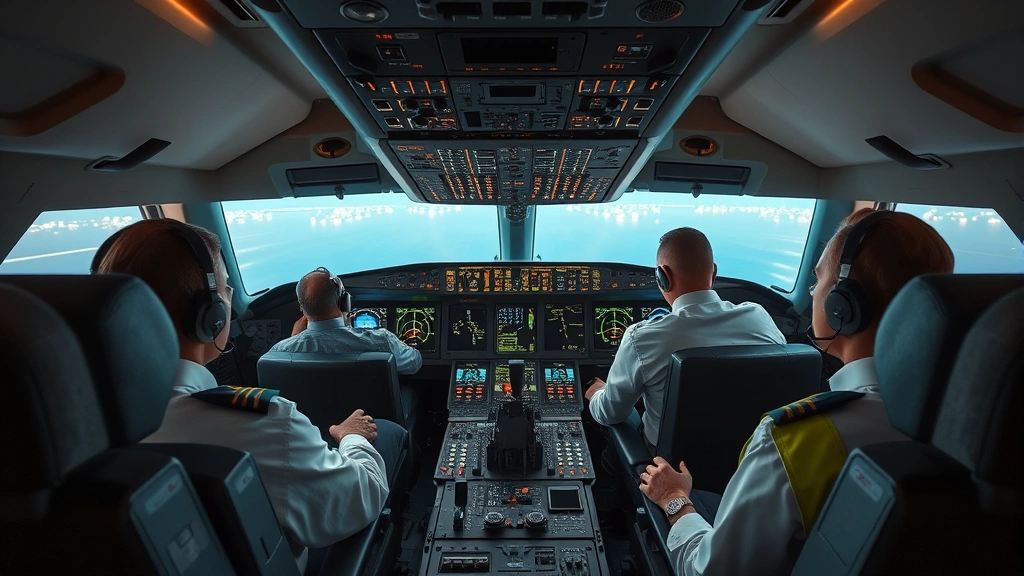
Aircraft operating in Colorado are equipped with advanced weather radar systems that provide real-time information about storm development and precipitation patterns. Pilots receive detailed weather briefings before departure and maintain continuous communication with air traffic control regarding changing conditions. Modern weather prediction technology provides accurate forecasting that allows flight planning to avoid dangerous weather systems.
The altitude factor is often misunderstood by travelers. Denver’s elevation of approximately 5,280 feet is significant, but modern commercial aircraft are pressurized and operate routinely at altitudes exceeding 35,000 feet. The cabin pressure is maintained at equivalent altitudes of 6,000 to 8,000 feet, ensuring passenger comfort and safety. Aircraft systems are engineered to function reliably at all altitudes, with multiple redundancies protecting critical systems.
High-altitude airport operations require specific pilot training and aircraft performance considerations. Runway lengths must accommodate the reduced air density effects on aircraft performance, and pilots must calculate weight and balance carefully. Denver International Airport’s long runways and well-maintained facilities support safe operations even under challenging conditions.
Aircraft Maintenance and Inspection Protocols
Aircraft maintenance represents one of the most critical components of aviation safety. Every commercial aircraft undergoes rigorous inspection schedules that far exceed the maintenance requirements of automobiles. These inspections are categorized by intensity and frequency, ensuring that no component deteriorates beyond safe operating limits.
Maintenance programs include:
- Daily Inspections: Before each flight, maintenance personnel conduct visual inspections and operational checks of critical systems
- A-Checks: Performed every 400-600 flight hours, these routine maintenance checks address wear items and fluid levels
- C-Checks: Conducted every 18-24 months, these comprehensive inspections examine structural components and complex systems
- D-Checks: Major overhauls performed every 6-10 years involving complete disassembly of major components
Airlines operating in Colorado maintain maintenance facilities meeting FAA standards, with qualified technicians performing work according to manufacturer specifications. All maintenance actions are documented meticulously, creating a complete service history for each aircraft. When you’re researching the best airlines for long flights, knowing about their maintenance programs provides additional confidence in safety practices.
Component inspections extend to engines, hydraulic systems, electrical systems, and avionics equipment. Any component showing wear is replaced before failure becomes possible. This preventative approach eliminates the surprise failures that might occur in less-regulated industries.
Pilot Training Requirements
Pilots operating flights in Colorado must meet extensive training requirements that exceed those necessary for many other professions. Commercial airline pilots require thousands of hours of flight experience before earning the credentials to operate passenger aircraft.
Pilot qualification includes:
- Flight Time Requirements: Commercial pilots must accumulate 1,500+ flight hours before operating for an airline, with additional hours required for specific aircraft types
- Type Rating Training: Each aircraft model requires specialized training covering systems, procedures, and emergency responses specific to that aircraft
- Initial Operating Experience: New pilots operate under supervision for a mandatory period before independent operations
- Recurrent Training: All pilots must complete formal training every 12-24 months covering emergency procedures, system updates, and proficiency checks
- Medical Certification: Pilots undergo regular medical examinations ensuring fitness to operate aircraft safely
Colorado’s unique operational environment means pilots operating from Denver and other Colorado airports receive additional training addressing high-altitude operations, mountain weather patterns, and terrain awareness. This specialized knowledge enhances safety in the specific environment where they operate.
Emergency Response Systems
Airports in Colorado maintain comprehensive emergency response systems capable of handling various scenarios. These systems are tested regularly and staff receive continuous training ensuring readiness for any situation.
Emergency capabilities include:
- Fire and rescue teams with specialized equipment and training
- Medical emergency response personnel stationed at the airport
- Coordination with local emergency management agencies
- Contingency procedures for various aircraft emergencies
- Communication systems ensuring rapid information dissemination
- Equipment and supplies positioned strategically throughout the airport
The SkyVoyage Hub Blog has covered emergency preparedness topics extensively, highlighting how modern airports maintain readiness. These systems represent significant investment and continuous improvement, reflecting the aviation industry’s commitment to passenger safety.
Comparing Colorado Flight Safety Records
Examining historical data provides perspective on Colorado flight safety. The National Transportation Safety Board (NTSB) maintains detailed records of aviation incidents, and analysis of this data shows that Colorado’s safety record is consistent with national averages. Commercial aviation has experienced dramatic safety improvements over decades, with modern aircraft and procedures reducing accident rates to historic lows.
When analyzing Colorado flight incidents, several important factors emerge:
- Commercial airline accidents in Colorado are exceptionally rare, with decades sometimes passing between significant incidents
- When incidents do occur, thorough investigations identify root causes and lead to industry-wide improvements
- Private aircraft and general aviation accidents occur at higher rates than commercial aviation, reflecting differences in training, equipment, and regulation
- Weather-related incidents have become increasingly rare as technology and forecasting improve
The statistical reality is that flying remains extraordinarily safe. Passengers are far more likely to experience injury driving to the airport than during the flight itself. This safety record reflects the cumulative effect of strict regulations, continuous training, rigorous maintenance, and advanced technology.
Passenger Safety During Flight
Beyond the aircraft systems and operational procedures, passenger safety during flight involves multiple layers of protection. Understanding these systems helps travelers appreciate the comprehensive approach aviation takes to safety.
In-flight safety measures include:
- Safety Equipment: Oxygen systems, emergency slides, life vests, and fire suppression equipment are installed and regularly inspected
- Cabin Crew Training: Flight attendants receive extensive safety training covering emergency procedures, medical response, and evacuation protocols
- Safety Briefings: Pre-flight safety demonstrations and information cards ensure passengers understand emergency procedures
- Seat Belt Technology: Modern seat belt systems are engineered to protect occupants during turbulence or emergency situations
- Pressurization Systems: Multiple redundant systems maintain cabin pressure and oxygen supply at safe levels
When you’re booking flights for multiple people, all passengers receive the same safety protections regardless of ticket type or booking method. The Federal Aviation Administration requires identical safety standards for all commercial flights.
Turbulence, while uncomfortable, represents no safety threat to modern aircraft. Aircraft are engineered to withstand forces far exceeding those encountered in even severe turbulence. Cabin crew training emphasizes passenger reassurance and comfort during weather-related disruptions.
FAQ
Are Colorado flights safer than flights in other states?
Colorado flights operate under identical federal safety standards as all other states. The safety record is consistent with national averages, with no evidence suggesting regional differences in safety levels. Modern aircraft handle Colorado’s altitude and weather conditions reliably.
What makes high-altitude flying in Colorado different?
While Denver’s elevation is significant, aircraft are pressurized to comfortable cabin altitudes. Pilots receive specialized training for high-altitude operations, and aircraft performance is calculated accounting for thin air. These factors are well-managed in modern aviation.
How often do Colorado airports experience weather-related flight disruptions?
Weather occasionally causes delays or cancellations, particularly during severe storms or winter weather. However, modern weather forecasting allows advance planning, and aircraft are equipped to handle most weather conditions safely. When flying is unsafe, operations cease until conditions improve.
What should passengers do to feel more comfortable flying to Colorado?
Understanding the safety systems and protocols helps reduce anxiety. Review the FAA website for factual information about aviation safety. Speak with flight crew members, who are happy to explain safety features. Remember that millions of flights operate safely daily.
How do airlines ensure aircraft are safe before Colorado flights?
Every aircraft undergoes mandatory inspections before each flight. Maintenance records are reviewed, systems are tested, and any discrepancies prevent flight until resolved. This rigorous process ensures aircraft airworthiness consistently.
What happens if an aircraft encounters an emergency while flying over Colorado?
Pilots are trained extensively for emergency situations and maintain constant communication with air traffic control. Airports throughout Colorado and surrounding states provide landing options. Aircraft systems include multiple redundancies ensuring safety even if systems fail.
Is the air quality in Colorado’s high altitude safe for flying?
Aircraft cabins are pressurized and oxygen is supplied continuously. The cabin environment is maintained at safe levels regardless of external altitude. Passengers with respiratory conditions should consult physicians before flying, but the aircraft cabin itself poses no altitude-related safety concerns.


