Delta Flight Pressure Issues? Expert Insights on Cabin Pressurization and Safety
Cabin pressure issues on commercial flights, including those operated by Delta Air Lines, represent one of the most concerning scenarios passengers face. While modern aviation is incredibly safe, understanding how aircraft pressurization systems work and what happens when issues arise can help travelers make informed decisions and remain calm during flights. Delta, as one of the world’s largest carriers, maintains rigorous maintenance standards, but occasional pressurization concerns still warrant expert examination and passenger awareness.
The pressurization system is fundamental to safe flight operations at high altitudes. When an aircraft climbs above 10,000 feet, the ambient air pressure and oxygen levels become insufficient to sustain human life without assistance. Delta’s fleet, ranging from regional jets to wide-body aircraft, relies on sophisticated systems that regulate cabin pressure to maintain comfort and safety. When pressure issues occur, they trigger specific protocols designed to protect all passengers and crew members aboard.
How Aircraft Pressurization Works
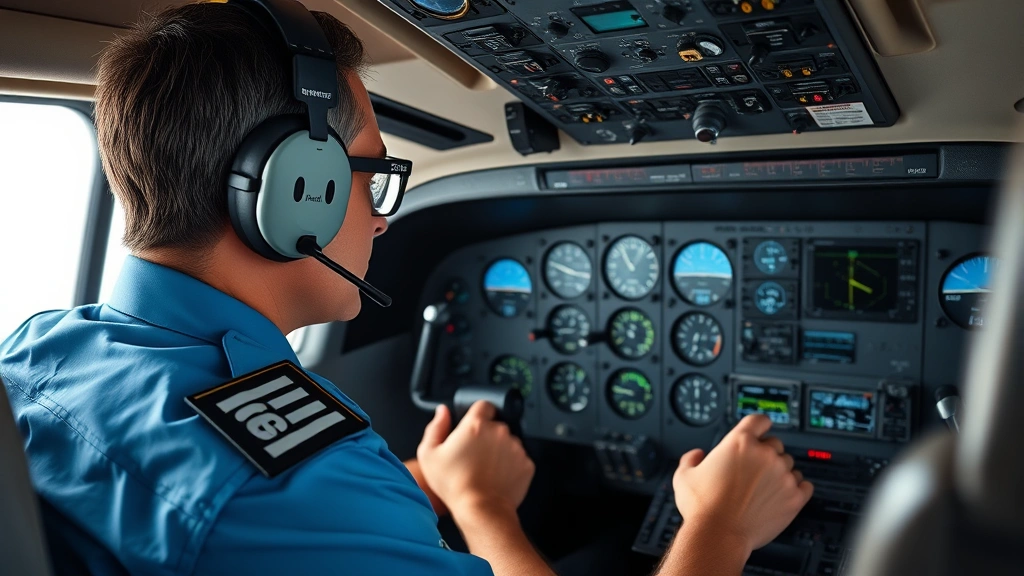
Aircraft pressurization systems are marvels of engineering designed to maintain a safe, breathable environment inside the cabin while the aircraft operates at altitudes where the external atmosphere cannot sustain human life. Delta’s aircraft use pneumatic systems that compress air from the engines’ compressor stages, cool it, and distribute it throughout the cabin. The system maintains cabin pressure equivalent to an altitude between 6,000 and 8,000 feet, even when the aircraft flies at 35,000 to 43,000 feet.
The pressurization system consists of several critical components: air intake sources, outflow valves, safety relief valves, and pressure controllers. Air is drawn from the engine compressor stages, passes through heat exchangers to reduce temperature, and then flows into the cabin. Outflow valves automatically regulate how much air exits the cabin to maintain appropriate pressure levels. This delicate balance ensures passengers experience minimal discomfort while maintaining sufficient oxygen levels for safe flight operations.
Modern Delta aircraft feature redundant pressurization systems. If one system fails, backup systems automatically engage to maintain cabin pressure. These redundancies are mandated by aviation authorities and represent decades of safety evolution in commercial aviation. The Federal Aviation Administration (FAA) enforces strict regulations regarding pressurization system design, testing, and maintenance across all commercial carriers, including Delta.
Delta Flight Pressure Incidents Explained
When passengers hear about Delta flight pressure issues, concerns naturally arise. However, it’s important to understand that reported pressure incidents vary significantly in severity and cause. Some incidents involve minor fluctuations that passengers might not even notice, while others require immediate descent to lower altitudes. Delta publicly reports incidents to aviation safety databases and works transparently with regulatory authorities.
Pressure-related incidents can stem from multiple sources. Equipment malfunctions in the pressurization system, though rare, require immediate pilot attention and descent procedures. Environmental factors like extreme weather can occasionally stress systems. Maintenance oversights, while uncommon given Delta’s standards, can occasionally result in pressure anomalies. Some reported incidents involve gradual pressure losses that trigger automatic descent protocols long before passenger safety becomes compromised.
When examining Delta pressure incidents from recent years, data shows that the airline’s incident rate remains consistent with industry standards. Most incidents result in controlled descents to lower altitudes where cabin pressure naturally stabilizes. Emergency oxygen systems, required on all commercial aircraft, provide additional safety layers. Pilot training emphasizes pressurization emergency procedures, ensuring crews respond appropriately to any pressure-related situations.
Understanding the difference between a pressure emergency and a pressure concern is crucial. A true emergency involves rapid decompression or catastrophic system failure—extremely rare events. Pressure concerns typically involve gradual losses or sensor malfunctions that trigger precautionary procedures. Delta’s training protocols ensure pilots distinguish between these scenarios and respond with appropriate urgency levels.
Safety Protocols and Emergency Procedures
Delta flight crews undergo extensive training on pressurization system operations and emergency procedures. Pilot training includes simulator sessions where pressurization failures are practiced regularly. Flight attendants receive training on recognizing pressure-related symptoms and assisting passengers during pressure events. These training requirements exceed FAA minimums, reflecting Delta’s commitment to safety excellence.
When a pressure issue is detected, pilots follow established checklists and procedures. If sensors indicate abnormal pressure trends, pilots first attempt system resets and diagnostics. If issues persist, they declare an emergency with air traffic control and initiate descent to lower altitudes. Descending to 10,000 feet or below eliminates the need for pressurization—external air pressure becomes sufficient for passenger safety. This procedure, while uncommon, demonstrates how system design provides multiple safety layers.
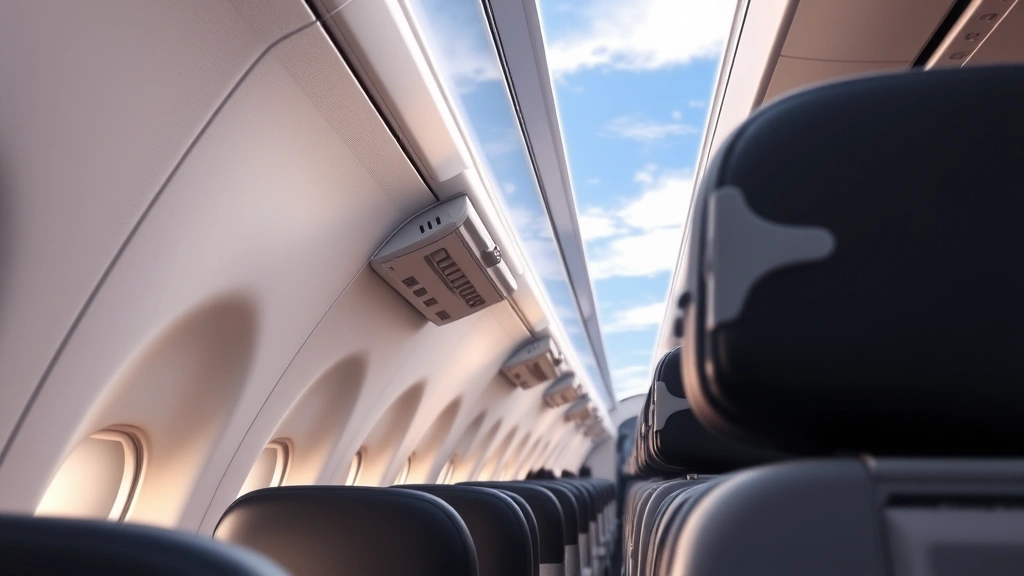
The emergency oxygen system serves as the ultimate backup. If cabin pressure drops rapidly, oxygen masks automatically deploy from overhead compartments. Passengers must secure their own masks before assisting others. Oxygen flows for approximately 15 minutes, sufficient time for pilots to descend to safe altitudes. Modern aircraft oxygen systems are thoroughly tested and maintained according to rigorous FAA specifications.
Communication during pressure events is critical. Pilots inform air traffic control immediately, allowing them to provide priority handling and clear airspace for descent. Flight attendants relay information to passengers, reducing anxiety and ensuring compliance with safety procedures. Post-incident documentation captures all details for investigation and system improvement. This systematic approach has contributed to aviation’s remarkable safety record.
Health Impacts on Passengers
Understanding potential health impacts from pressure events helps passengers contextualize their significance. In normal operations with proper pressurization, passengers experience no adverse health effects from altitude flight. When pressure issues occur, health impacts depend on pressure loss magnitude and duration.
Gradual pressure losses cause minimal acute symptoms. Passengers might experience mild ear discomfort, slight headaches, or minor sinus pressure—similar to symptoms experienced during normal ascent and descent. These sensations typically resolve quickly once pressure stabilizes. Rapid decompression, while extremely rare, causes more immediate symptoms including sudden ear and sinus pain, dizziness, and shortness of breath. However, pilot response and oxygen systems prevent significant hypoxia development.
Passengers with pre-existing respiratory conditions, heart disease, or ear/sinus problems may experience more pronounced symptoms during pressure fluctuations. These passengers should consult physicians before flying and consider medical advice about flight suitability. Delta’s customer service can accommodate passengers with health concerns through advance notice and special arrangements.
Long-term health impacts from pressure incidents are negligible. A single pressure event, even a significant one, causes no lasting physiological damage. Commercial aviation’s safety record demonstrates that properly designed and maintained pressurization systems protect passenger health effectively. Anxiety about future flights after a pressure incident is common but manageable through education and understanding of safety systems.
Delta’s Maintenance and Prevention Standards
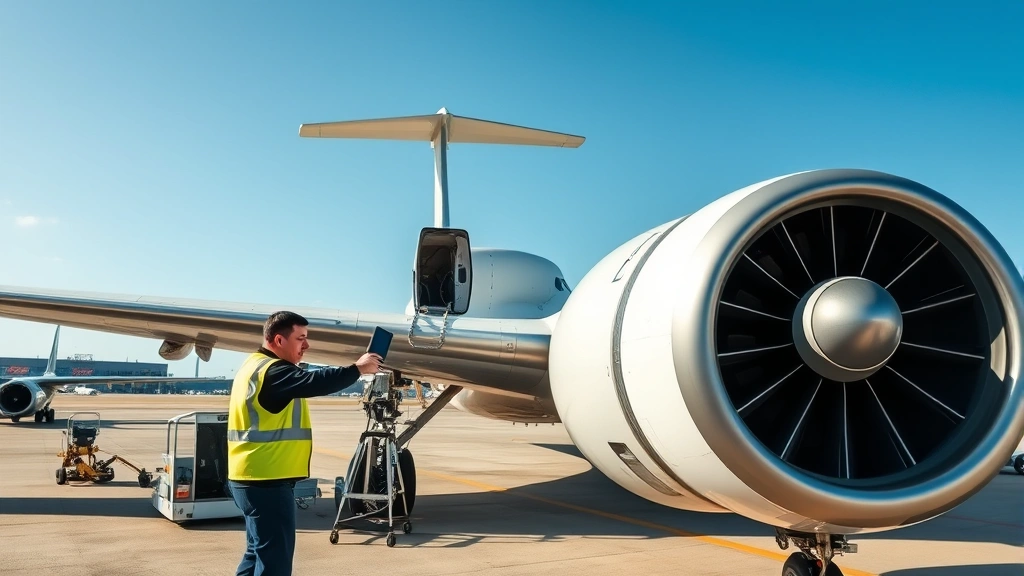
Delta Air Lines maintains one of the aviation industry’s most comprehensive maintenance programs. The airline’s engineering teams conduct regular inspections of pressurization systems on every aircraft according to schedules that exceed FAA requirements. These inspections identify potential issues before they develop into operational problems.
Pressurization system components undergo periodic replacement on fixed schedules, regardless of apparent condition. Seals, valves, and sensors are replaced proactively to prevent degradation-related failures. Delta maintains extensive spare parts inventories, ensuring repair delays never compromise safety. This approach represents best practices in aviation maintenance and reflects the airline’s safety-first philosophy.
Delta employs advanced diagnostic technology to monitor pressurization system performance. Aircraft equipped with modern avionics transmit real-time system data to ground monitoring stations. Engineers analyze this data to identify trends suggesting maintenance needs. This predictive maintenance approach prevents many issues before they affect flight operations, demonstrating commitment to reliability and safety.
The airline’s maintenance personnel receive specialized training on pressurization systems. Technicians must demonstrate competency through certification and regular recurrent training. Delta’s maintenance culture emphasizes thoroughness and attention to detail. Mechanics are empowered to ground aircraft if they identify pressurization system concerns, ensuring nothing questionable departs the gate.
What to Expect During a Pressure Event
If you experience a pressure event on a Delta flight, understanding what to expect reduces anxiety and helps you respond appropriately. Initial signs might include a subtle change in cabin feel, slight ear discomfort, or flight crew activity in the cockpit. You might notice the aircraft’s descent rate increasing or hear communications between pilots and air traffic control about priority handling.
Flight attendants will likely make announcements explaining the situation in calm, professional tones. Announcements typically explain that the crew is taking precautionary measures and that the situation is under control. Crew members are trained to project confidence, which helps passengers remain calm. If oxygen deployment becomes necessary, overhead compartments will open automatically, and masks will drop with oxygen flowing immediately.
The aircraft will descend to lower altitudes, usually 10,000 feet or below, where external air pressure becomes sufficient without pressurization. This descent typically takes 10-20 minutes depending on current altitude and descent rate. Once stabilized at lower altitude, the situation becomes non-emergent, though the aircraft will likely divert to the nearest suitable airport for engineering inspection.
After landing, engineering teams will thoroughly inspect the pressurization system before the aircraft returns to service. Passengers may be offered alternative flights, hotel accommodations if overnight stays are necessary, and compensation according to airline policies and applicable regulations. Delta’s customer service teams handle these logistics professionally, prioritizing passenger comfort and satisfaction.
When booking DC to NYC flights or any Delta itinerary, remember that pressure incidents remain statistically rare. Millions of passengers fly safely on Delta aircraft annually, with pressurization systems functioning reliably. The airline’s safety record, maintenance standards, and trained personnel provide confidence in system reliability. When you understand the systems and procedures protecting you, flying becomes more comfortable and enjoyable.
FAQ
How common are Delta flight pressure issues?
Pressure-related incidents on Delta flights are statistically rare. The airline operates thousands of flights daily with excellent safety records. When incidents do occur, they’re typically minor and managed effectively through established procedures. Modern aircraft design and maintenance standards keep pressurization-related incidents well below 1% of all flights.
What should I do if I experience symptoms during a pressure event?
If you experience symptoms like ear pain, dizziness, or shortness of breath during a pressure event, alert flight attendants immediately. They can provide assistance, explain what’s happening, and help you manage symptoms. If oxygen deployment occurs, secure your mask first, then assist others. Remain calm—trained crew members are managing the situation professionally.
Are Delta aircraft pressurization systems regularly inspected?
Yes, Delta maintains rigorous inspection schedules for all pressurization system components. Inspections occur more frequently than FAA minimums require. Components are replaced proactively on fixed schedules, and advanced diagnostics monitor system performance continuously. This comprehensive approach prevents most issues before they develop.
What happens if pressurization fails during flight?
If pressurization fails, pilots immediately declare an emergency and descend to lower altitudes where pressurization isn’t necessary. Emergency oxygen systems deploy automatically if cabin pressure drops rapidly. The aircraft diverts to the nearest suitable airport for landing. The situation, while requiring immediate response, is managed through established procedures that protect passenger safety.
Can I get compensation if I experience a pressure event?
Compensation eligibility depends on incident circumstances and applicable regulations. If a pressure incident causes significant delay or requires overnight accommodations, you may qualify for compensation under Delta’s policies or relevant regulations like EU261 or DOT rules. Contact Delta’s customer service to discuss your specific situation and potential compensation options.
Should I be concerned about flying after hearing about pressure incidents?
No. Aviation remains the safest form of transportation. Pressurization incidents, while reported in media, represent an extremely small fraction of flights. When such incidents do occur, systems and procedures protect passenger safety effectively. Understanding how these systems work and how crews respond can help you feel more confident about future flights. Consider reviewing best airlines for long flights articles to learn more about safety practices across carriers.
How does Delta’s pressurization system compare to other airlines?
Delta’s pressurization systems are comparable to those on other major carriers, as all commercial aircraft must meet identical FAA certification and maintenance standards. However, Delta’s maintenance program exceeds minimums, and the airline’s safety culture emphasizes comprehensive oversight. When you’re comparing carriers, consider Delta’s strong safety record and maintenance reputation as positive factors.