Delta’s Atlanta Return: Passenger Experiences and What Travelers Need to Know
When a Delta flight returns to Atlanta unexpectedly, it creates a ripple effect through the entire travel ecosystem. Whether due to mechanical issues, weather concerns, or medical emergencies, these returns have become increasingly common topics of discussion among frequent flyers and casual travelers alike. Atlanta’s Hartsfield-Jackson International Airport serves as a major hub for Delta Air Lines, making it the natural destination for any diverted or returning flights. Understanding what happens during these situations can help you navigate your own travel experiences with greater confidence and preparedness.
Recent passenger accounts highlight the varying experiences travelers face when their flights return to Atlanta. From the moment pilots announce the unexpected return to touchdown and ground handling, every aspect of the journey impacts passenger satisfaction and safety. This comprehensive guide explores real passenger experiences, operational procedures, and practical advice for handling such situations. Whether you’re a Delta frequent flyer or planning your first trip through Atlanta’s hub, knowing what to expect during a flight return can significantly reduce travel anxiety.
Why Delta Flights Return to Atlanta
Delta flights return to Atlanta for several critical reasons, each prioritizing passenger safety and operational integrity. The most common cause involves mechanical issues detected during flight. Pilots and maintenance teams take a conservative approach, choosing to return to a major hub rather than continue to a distant destination when potential problems arise. This decision-making process reflects decades of aviation safety protocols and industry best practices.
Medical emergencies represent another significant reason for flight returns. When a passenger experiences a serious health crisis, pilots must weigh the benefits of reaching the intended destination against the urgency of immediate medical attention. Atlanta’s world-class medical facilities and the airport’s proximity to numerous hospitals make it an ideal return destination. Cabin pressure issues, similar to those discussed in our article about Delta flight pressure issues, can also necessitate immediate returns to ensure passenger safety.
Weather-related decisions drive many Atlanta returns as well. Severe thunderstorms, winter conditions, or other atmospheric challenges at the intended destination might force pilots to divert back to Atlanta, where conditions are more favorable. Additionally, crew duty time limitations under Federal Aviation Administration regulations can require returns if flight times exceed safe operational limits. Engine performance anomalies, hydraulic system warnings, and electrical malfunctions all trigger conservative return-to-base protocols that prioritize safety above schedule adherence.
Passenger Experiences During Flight Returns
Recent passenger accounts paint a detailed picture of the flight return experience. Many travelers report that Delta pilots communicate early and frequently when issues arise. One passenger flying from Atlanta to Los Angeles described the moment the captain announced a return: “The pilot explained that our engine performance parameters weren’t quite right, and rather than risk it over the mountains, we were heading back to Atlanta. The honesty and transparency made the situation feel manageable.”
The emotional journey during a flight return varies significantly among passengers. Initial confusion often gives way to acceptance once crew members explain the situation clearly. Experienced travelers, particularly those familiar with Sky Voyage Hub’s travel insights, tend to remain calmer, understanding that returns represent responsible aviation decision-making. Families with young children often experience more stress, though flight attendants typically provide reassuring attention during these situations.
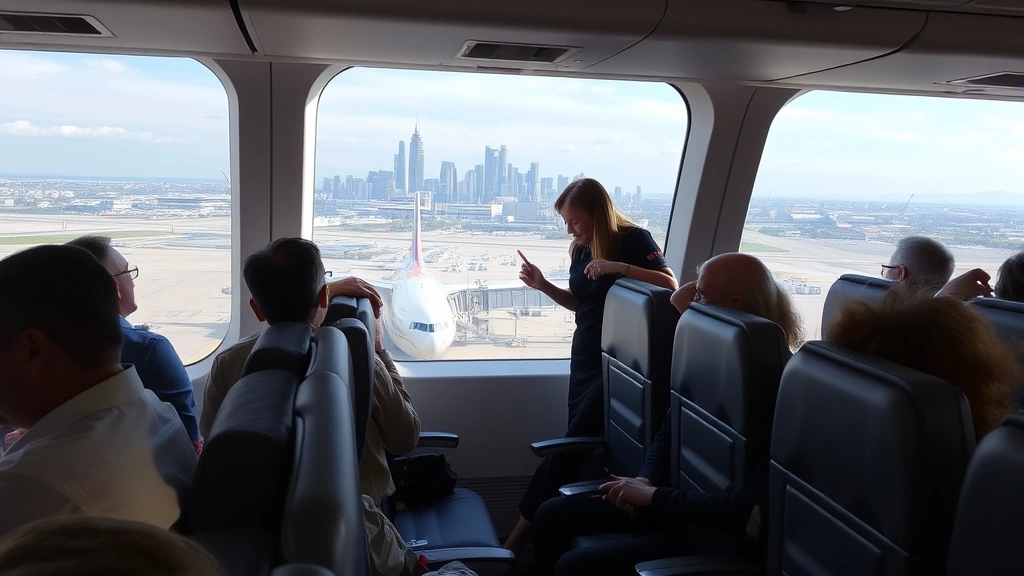
Physical comfort becomes a concern during extended flight returns. Passengers report that cabin service continues normally in most cases, with flight attendants maintaining professional demeanor and providing beverages and snacks. The duration of the return flight matters considerably—a one-hour return from a cross-country flight feels quite different from a thirty-minute return on a short-haul flight. Many passengers appreciate that Delta flight attendants, whose compensation and training reflects the airline’s commitment to service excellence, remain attentive and informative throughout the process.
Communication breakdowns occasionally occur, particularly regarding the specific reason for return. Some passengers report uncertainty about whether the situation involved safety concerns or operational issues. Others praise the detailed explanations provided by pilots and ground crew. The consistency of communication appears to correlate directly with passenger satisfaction levels during these stressful situations.
Ground Operations and Airport Procedures
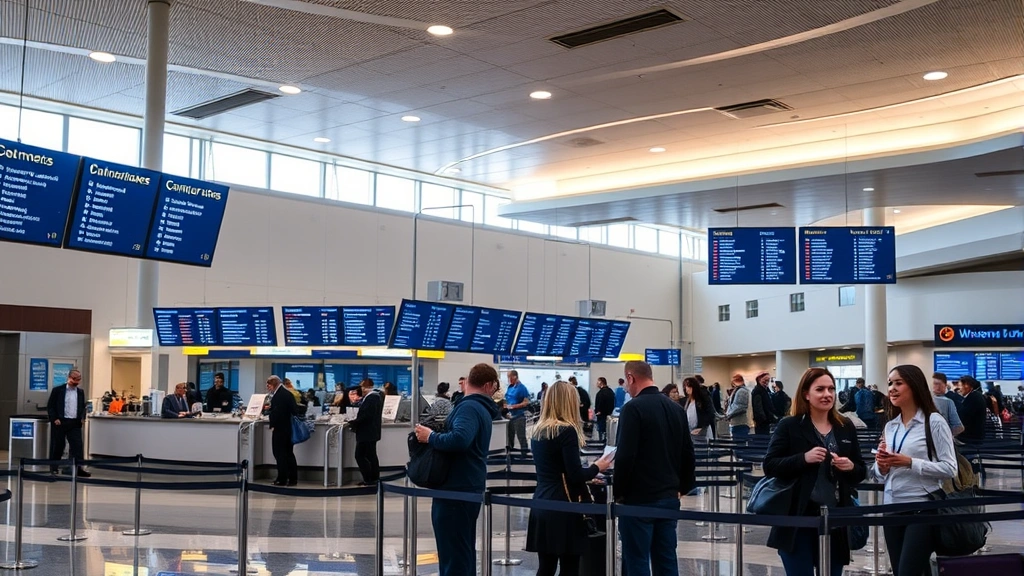
When a Delta flight returns to Atlanta, ground operations shift into high gear immediately. Air traffic control provides priority landing sequences, and gate agents begin preparing for passenger handling. The Hartsfield-Jackson International Airport’s massive infrastructure—handling over 100 million passengers annually—enables relatively smooth processing even during unexpected returns. Ground crews position equipment, maintenance personnel stand ready, and customer service teams prepare for passenger assistance.
The gate assignment process happens quickly, with Delta ground staff coordinating with airport operations to secure appropriate gates. Priority goes to aircraft requiring immediate maintenance inspections. Passengers typically remain on board during initial assessment periods, which can last anywhere from fifteen minutes to an hour depending on the issue’s nature. During this time, the flight deck communicates with maintenance control, discussing findings and determining next steps.
Deplaning procedures follow standard protocols, though circumstances vary based on the return reason. For mechanical issues requiring extensive repairs, passengers typically deplane into the terminal. For medical emergencies, emergency personnel may board the aircraft while passengers remain seated. Ground crews manage luggage and cargo according to whether the flight will eventually continue or passengers need rebooking.
Atlanta’s role as Delta’s primary hub means the airport has extensive experience handling these situations. Ground personnel understand the procedures intimately, and the airport’s infrastructure supports rapid turnaround operations. The coordination between Delta personnel, airport authorities, and ground service providers reflects years of operational refinement.
Passenger Rights and Compensation
Understanding your rights when a Delta flight returns to Atlanta is crucial for protecting your interests. Department of Transportation regulations provide specific protections depending on the return reason. If the return results from Delta’s operational decisions or mechanical issues, passengers have certain entitlements. If weather or other extraordinary circumstances cause the return, different rules apply.
Passengers are entitled to meals and refreshments if they face substantial delays following a return. Delta typically provides meal vouchers or arranges food service, depending on the delay duration. Hotel accommodations must be provided if an overnight stay becomes necessary. These provisions apply regardless of return reason, as they relate to passenger care during delays.
Compensation eligibility depends on specific circumstances. If a return causes a delay exceeding three hours at your final destination, you may qualify for compensation under DOT regulations—but only if the airline caused the problem. Mechanical issues generally fall into this category, while weather or medical emergencies typically do not. Passengers should document the return reason, collect receipts for any expenses incurred, and contact Delta’s customer service with detailed information.
Flight credits and rebooking represent another important consideration. Delta typically rebooks passengers on the next available flight to their intended destination at no additional charge. These rebookings may occur on different airlines if necessary. Some passengers qualify for monetary compensation if the rebooking requires significant delays or if the airline caused the original return. Understanding these distinctions helps you advocate effectively for your rights.
Communication and Crew Response
The quality of crew communication significantly impacts passenger experience during flight returns. Delta’s reputation among airlines for long-flight quality extends to how crews handle unexpected situations. Professional, clear communication from the flight deck sets the tone for the entire experience. Captains who explain the specific issue, the decision-making process, and what passengers should expect receive consistently positive feedback from travelers.
Flight attendants play a crucial role in managing passenger concerns and anxiety. Their training emphasizes remaining calm, providing accurate information, and responding to questions professionally. Many flight attendants report that passengers appreciate honest communication more than reassurance without substance. Statements like “We’re returning to Atlanta because our engine parameters are outside normal ranges, and we’re being cautious” resonate better than vague explanations.
Ground crew communication often continues the professionalism established aloft. Gate agents who explain the situation, outline next steps, and provide contact information help passengers feel informed and less frustrated. Passengers report higher satisfaction when they understand the timeline and what to expect regarding rebooking, accommodations, or repairs.
Social media has amplified the importance of transparent communication. Passengers who receive clear explanations are more likely to post positive experiences online, while those left uncertain tend to share frustrations. Delta’s social media teams monitor these conversations and often provide additional support to affected passengers, addressing concerns and offering assistance.
Rebooking and Logistics
The rebooking process following a Delta flight return to Atlanta varies based on circumstances and destination. If the issue involves quick repairs, Delta often attempts to get the same aircraft ready for departure within a few hours. Passengers remain in the Atlanta terminal or airport hotel, depending on the expected timeline. This approach minimizes disruption and maintains passenger connections with their original flight.
For more extensive mechanical issues, rebooking becomes necessary. Delta agents use sophisticated systems to identify the next available flights to your destination. If you’re traveling to a destination served by multiple daily Delta flights, rebooking typically happens quickly. For less frequently served destinations, passengers might face longer waits or connections through different routing.
Multi-leg journey considerations add complexity to rebooking decisions. If you’re connecting through Atlanta, a return affects your entire itinerary. Delta’s systems account for this, attempting to rebook you on flights that maintain your original connections or provide better alternatives. Some passengers report that rebooking actually improved their travel experience by providing more convenient flight times or shorter layovers.
Passengers should understand their options when rebooking. You have the right to request specific alternative flights if available, though not all requests can be accommodated. You can also inquire about hotel accommodations if rebooking requires an overnight stay, and you should ask about meal vouchers or other amenities during extended waits. Keeping documentation of all communications and expenses supports any future compensation claims.
Safety Considerations
From a safety perspective, Delta’s decision to return flights to Atlanta represents a best-practice approach to risk management. Modern aircraft are equipped with sophisticated monitoring systems that alert crews to potential issues long before they become critical. When these systems indicate anomalies, pilots err on the side of caution—a philosophy that has made commercial aviation extraordinarily safe.
The Federal Aviation Administration strictly regulates flight operations and crew decision-making. Pilots receive extensive training on when to return to the nearest suitable airport, and this training emphasizes that schedule adherence never supersedes safety. An aircraft returning to Atlanta due to mechanical concerns has undergone rigorous analysis before the decision was made.
Passengers should view flight returns as evidence that safety systems are working exactly as designed. The fact that potential issues are caught and addressed before they pose genuine danger reflects the effectiveness of modern aviation’s safety culture. Understanding this perspective helps contextualize returns as responsible actions rather than failures or inconveniences.
For passengers with flight anxiety, recognizing that returns represent heightened safety consciousness can actually reduce stress. Pilots aren’t avoiding problems; they’re identifying and addressing them proactively. This commitment to safety is why commercial aviation remains one of the safest forms of transportation despite occasional disruptions.
FAQ
What should I do immediately after learning my Delta flight is returning to Atlanta?
Stay calm and listen carefully to crew announcements. Gather your belongings and keep your phone accessible. Note important information like your flight number, the reason for return, and expected timeline. If you have connections, inform a flight attendant immediately so Delta can begin coordination. Have your booking reference and ID readily available for ground processing.
Am I entitled to compensation if my Delta flight returns to Atlanta?
Compensation eligibility depends on the return reason and resulting delay. If Delta caused the return through mechanical issues or operational errors, and your final arrival is delayed more than three hours, you may qualify for DOT compensation ($250-$1,350 depending on distance). Weather, medical emergencies, and security issues typically don’t qualify for compensation. Always document everything and contact Delta’s customer relations team with your case details.
How long does it typically take to repair a Delta aircraft and resume flights?
Repair timelines vary dramatically based on the issue. Minor maintenance might take 1-2 hours, while more complex problems could require overnight repairs or aircraft substitution. Delta prioritizes getting you to your destination as quickly as safely possible, but rushing repairs isn’t an option. If repairs will take extensive time, rebooking on another aircraft becomes more likely.
Will Delta provide meals and hotel accommodations during a flight return?
Yes, if you face substantial delays. DOT regulations require airlines to provide meals and refreshments for delays exceeding certain timeframes. Hotel accommodations must be provided if an overnight stay becomes necessary. You can also request these services directly from gate agents rather than waiting—don’t hesitate to ask about your entitlements.
How can I track my rebooking status after a Delta flight return?
Contact Delta’s customer service immediately—call the number on your booking confirmation or speak with gate agents. You can also use the Fly Delta app to check your booking status and receive updates. Provide your confirmation number and request specific information about your new flight assignment. Ask for written confirmation of any rebooking or compensation commitments.
What’s the difference between a flight return and a diversion?
A return means the aircraft goes back to its departure airport (Atlanta, in this case). A diversion means it goes to a different airport than originally planned. Both serve safety purposes, but they create different logistical situations. Returns to Atlanta typically involve more established procedures since it’s Delta’s hub.
Should I purchase travel insurance to protect against flight returns?
Travel insurance can provide valuable protection, though it depends on your policy specifics. Most policies don’t cover delays caused by mechanical issues or weather, but they may cover other losses like missed connections or prepaid accommodations. Review policy details carefully and consider coverage if you’re traveling for important events or have tight connections.
How do I file a complaint if I’m unhappy with how Delta handled my flight return?
Contact Delta’s customer relations department through their website or by phone. Provide your booking reference, flight details, and specific concerns. For DOT-related complaints, file with the Department of Transportation’s Aviation Consumer Protection Division. Document everything: boarding passes, receipts, communications, and timestamps. The more detailed your complaint, the better your chances of resolution.
When researching flight options and comparing airlines, understanding how different carriers handle disruptions is valuable. Reading reviews on platforms like Delta’s official website and checking FAA safety records provides helpful context. For general travel planning advice, TSA guidelines ensure you’re prepared for airport procedures, while DOT consumer protection resources explain your passenger rights comprehensively. If you’re planning multiple-passenger trips, our guide on how to book flights for multiple people offers practical booking strategies.
Delta’s Atlanta hub continues to serve as a reliable destination for flight returns, combining world-class infrastructure with experienced personnel. Whether you’re experiencing a return yourself or simply want to understand aviation operations better, knowing what to expect transforms the experience from stressful to manageable. By understanding your rights, maintaining clear communication with airline staff, and recognizing that returns prioritize your safety, you can navigate these situations with confidence and professionalism.