Delta Flight Diverted: Safety Protocols Followed During Pressurization Emergency
On a routine flight from Atlanta to its destination, a Delta Air Lines aircraft experienced a pressurization issue that prompted an immediate diversion back to Hartsfield-Jackson Atlanta International Airport. The incident, handled with precision by the flight crew and ground personnel, demonstrates the rigorous safety standards that modern aviation maintains. While passenger inconvenience is always a concern, the swift response to technical anomalies underscores why commercial aviation remains one of the safest forms of transportation available today.
This event serves as an important reminder of the multiple redundant systems and well-trained personnel that protect every passenger in the skies. The Delta flight return to Atlanta exemplifies how airlines prioritize safety above schedule adherence. Understanding what happened during this diversion, why it occurred, and how it was managed provides valuable insight into aviation safety protocols that often go unnoticed by the traveling public.
Understanding Pressurization Systems in Aircraft
Aircraft pressurization is one of the most critical systems on any commercial airplane. Modern jets fly at altitudes between 30,000 and 43,000 feet, where the outside air pressure is far too low to sustain human life. The pressurization system maintains a cabin environment similar to an altitude of 6,000 to 8,000 feet above sea level, allowing passengers and crew to breathe comfortably without supplemental oxygen.
The pressurization system works by taking compressed air from the aircraft’s engines, cooling it, and distributing it throughout the cabin. Multiple redundant systems ensure that if one component fails, backup systems automatically engage. These backups include:
- Primary outflow valves that regulate cabin pressure by controlling how much air escapes
- Secondary backup systems that activate if primary systems malfunction
- Safety relief valves that prevent excessive pressure buildup
- Continuous monitoring systems that alert pilots to any pressure anomalies
When a pressurization issue is detected, the flight deck receives immediate warnings. Pilots are trained to respond to these warnings within specific timeframes outlined in their standard operating procedures. Depending on the severity and nature of the problem, pilots may descend to a lower altitude where cabin pressurization becomes less critical, or they may divert to the nearest suitable airport.
The Delta flight pressure issue that prompted the return to Atlanta likely triggered one of these automated warning systems, alerting the crew to investigate and take corrective action. Understanding this system helps explain why such diversions, while inconvenient, are absolutely necessary for passenger safety.

What Happened During the Diversion
During the flight’s cruise phase, the crew detected a pressurization anomaly through their instrument panel alerts. Rather than continue to the intended destination and risk a potential emergency situation, the flight crew made the professional decision to return to the nearest major airport where comprehensive maintenance facilities were available. This decision exemplifies the conservative approach that modern aviation takes toward any technical irregularity.
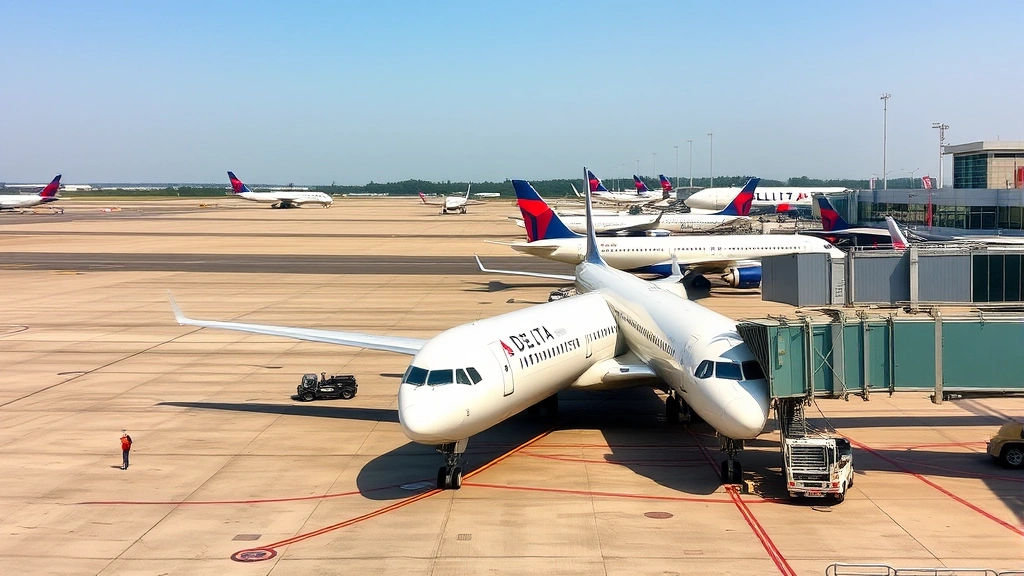
The aircraft, a modern Delta fleet member equipped with state-of-the-art avionics, descended safely and steadily back toward Atlanta. The crew communicated with air traffic control, explained the nature of the issue, and received priority handling for their approach and landing. Ground crews at Hartsfield-Jackson were notified in advance, allowing them to prepare for the aircraft’s arrival and position medical personnel and maintenance teams as a precaution.
Upon landing, the aircraft taxied to an appropriate gate where passengers could safely disembark. The maintenance team immediately began a comprehensive inspection to identify the source of the pressurization issue. This investigation is crucial not only for fixing the specific problem but also for identifying any patterns or systemic issues that might affect other aircraft in the fleet.
The entire diversion process, from detection to safe landing, typically takes less than an hour depending on the aircraft’s position when the problem is detected. During this time, best airlines for long flights like Delta maintain constant communication with passengers about the situation, the reason for the diversion, and what to expect upon landing.
Delta’s Safety Response Protocol
Delta Air Lines operates under strict Federal Aviation Administration (FAA) regulations and maintains its own internal safety standards that often exceed minimum requirements. When any technical issue is detected, the airline follows a comprehensive protocol designed to ensure passenger safety while minimizing disruption.
The protocol begins with crew recognition and reporting. Pilots are trained to recognize any unusual instrument readings, warning lights, or system behaviors. Rather than troubleshoot in flight, pilots are trained to follow a conservative approach: if uncertain, return to the nearest suitable airport. This philosophy has proven highly effective in maintaining aviation’s exceptional safety record.
Once the aircraft lands, SkyVoyage Hub Blog readers can understand that Delta’s maintenance team performs what’s called a “full systems check.” This involves:
- Visual inspection of all pressurization system components
- Testing of pressure sensors and warning systems
- Verification of valve operation and seal integrity
- Review of maintenance logs for any previous related issues
- Functional testing before clearance to return to service
Delta maintains comprehensive maintenance records for every aircraft in its fleet. These records are cross-referenced with any technical issues reported by other pilots, allowing maintenance teams to identify patterns and address systemic problems proactively. If a particular aircraft or component type shows recurring issues, Delta works with manufacturers to develop solutions.
The FAA also gets involved in this process. Any incident that results in a diversion is reported to the FAA, which maintains its own database of aviation incidents. This information is analyzed to identify trends that might affect aviation safety across the industry. Manufacturers use this data to improve future designs and issue service bulletins for existing aircraft.
Passenger Communication and Support
When a flight is diverted due to a technical issue, passenger communication becomes paramount. Delta’s customer service protocols ensure that affected passengers receive timely, accurate information about what occurred and what happens next.
Immediately upon landing, flight attendants make an announcement explaining the situation and reassuring passengers that the crew took appropriate action. Once at the gate, ground personnel provide additional information and begin the process of rebooking passengers on alternative flights. For passengers who need to book flight for multiple people, Delta’s rebooking team works to keep groups together when possible.
Delta typically offers affected passengers several options:
- Rebooking on the next available Delta flight to the original destination
- Rebooking on a partner airline if Delta doesn’t have suitable flights
- A full refund if the passenger prefers not to continue
- Meal vouchers, hotel accommodations (if an overnight stay is necessary), and ground transportation
- Compensation or travel credits as appropriate under DOT regulations
The airline recognizes that while safety is non-negotiable, passenger inconvenience matters too. Delta’s customer service teams work diligently to minimize disruption and restore passenger confidence in the airline. Many passengers who experience such incidents report positive interactions with Delta staff, noting the professionalism and empathy shown during the situation.
Recovery and Next Steps
Once maintenance completes their investigation and repairs any identified issues, the aircraft undergoes a thorough functional test before returning to service. This test flight, conducted by maintenance test pilots, verifies that all systems operate normally and that the aircraft is safe for revenue service.
For the specific aircraft involved in the pressurization diversion, this process typically takes 24 to 48 hours, depending on the complexity of the repairs required. During this time, the aircraft remains out of service, and Delta dispatches a replacement aircraft to maintain the flight schedule.
Delta also conducts internal debriefings with the flight crew to document their observations and actions. These debriefings are valuable learning opportunities that help refine training and procedures. The crew’s decision-making during the incident is reviewed and, if appropriate, used as a case study in future pilot training programs.
The broader aviation community also learns from such incidents. When you book flights to Vegas from Houston or any other route, you’re benefiting from lessons learned from hundreds of similar incidents across the industry over decades of aviation history.
Learning from Safety Incidents
While calling a pressurization issue an “incident” might sound dramatic, the aviation industry treats every technical anomaly as a learning opportunity. This continuous improvement mindset is why commercial aviation has achieved its remarkable safety record.
The Delta flight return to Atlanta due to pressurization issues contributes to this body of knowledge. Whether the problem was a faulty sensor, a valve malfunction, or something else entirely, the resolution and investigation add to humanity’s collective understanding of aircraft systems.
For passengers, understanding these protocols provides reassurance. Every warning system, every trained crew member, and every maintenance procedure exists because the aviation industry has learned from past incidents and near-misses. The fact that pressurization issues result in immediate diversions, rather than being ignored or managed in-flight, reflects decades of safety evolution.
Modern aircraft are engineered with what engineers call “fail-safe” design. This means that when a component fails, the system is designed so that the failure leads to a safe condition rather than a dangerous one. Pressurization systems exemplify this principle perfectly. If a sensor fails, it typically fails in a way that triggers a warning rather than masking a problem.
The training that Delta pilots receive includes extensive study of pressurization system failures, both real incidents and simulated scenarios. Pilots practice responding to various pressurization emergencies in flight simulators, where they can safely learn how to manage these situations without putting real passengers at risk. This training, combined with the aircraft’s design redundancy and automated warning systems, creates multiple layers of protection.
FAQ
What causes pressurization issues in aircraft?
Pressurization issues can result from multiple causes including faulty pressure sensors, outflow valve malfunctions, seal degradation, or compressor problems. Most modern aircraft have redundant systems designed to handle single component failures. Ground maintenance teams investigate every incident to determine the root cause and prevent recurrence.
Is it safe to fly after a pressurization diversion?
Yes, absolutely. Once an aircraft has been inspected and repaired, it undergoes extensive testing before returning to service. The incident itself demonstrates that safety systems work as designed. The fact that the crew detected the problem and took appropriate action shows the system functioning correctly.
How long does it take to fix a pressurization issue?
Repair time varies depending on the specific problem. Simple sensor replacements might take a few hours, while valve overhauls could take longer. Most pressurization-related repairs and testing can be completed within 24 to 48 hours, though complex issues might require additional time.
Will passengers get compensated for a diversion?
Compensation depends on the circumstances. Under DOT regulations, passengers are entitled to meals, accommodations, and ground transportation if a delay extends beyond certain timeframes. Additional compensation may apply depending on the flight’s length and the reason for the diversion. Delta’s customer service team works with affected passengers to ensure they receive appropriate support.
How often do pressurization diversions occur?
Pressurization issues are relatively rare in modern commercial aviation. The frequency of such incidents is monitored by aviation authorities and is extremely low compared to the millions of flights that operate safely each year. When issues do occur, they’re handled exactly as described here, with safety as the paramount concern.
What should passengers do if they experience pressurization symptoms?
If passengers notice unusual symptoms like persistent ear pain, dizziness, or difficulty breathing during a flight, they should immediately notify a flight attendant. Crew members are trained to recognize pressurization issues and will alert the flight deck. The pilots will then follow their established procedures, which may include descending to a lower altitude or diverting to an airport.