Flight Delays? Expert Analysis and Solutions
Flight delays are one of the most frustrating aspects of modern air travel, affecting millions of passengers annually and costing the aviation industry billions of dollars in losses. Whether you’re heading to South Carolina for a beach getaway or planning a long-haul journey across the Pacific, understanding the causes of delays and knowing how to navigate them effectively can transform your travel experience. This comprehensive guide explores the real factors behind flight delays, backed by industry data and expert insights, while providing practical solutions to minimize disruptions to your journey.
The modern airline industry operates on razor-thin margins with complex scheduling systems, and even minor disruptions can cascade into significant delays. From weather patterns to mechanical issues, crew scheduling conflicts, and airport congestion, multiple variables interact to create the delays that frustrate travelers worldwide. By understanding these factors and preparing strategically, you can reduce your vulnerability to delays and recover more quickly when they do occur.
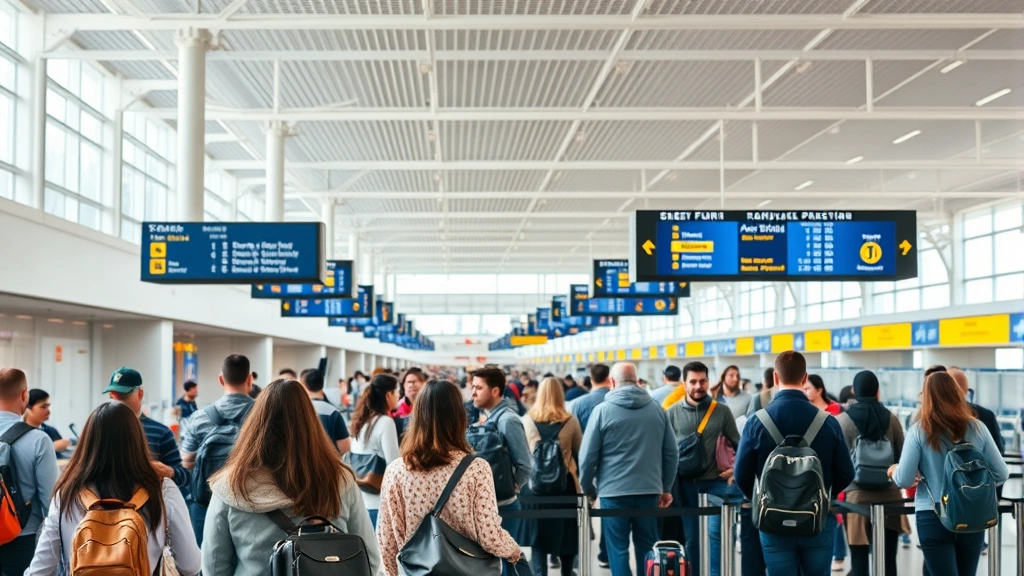
Understanding Root Causes of Flight Delays
Flight delays stem from interconnected systems where a single failure point can trigger a domino effect throughout the entire day’s schedule. The Federal Aviation Administration (FAA) tracks delay data meticulously, revealing that delays exceeding 15 minutes account for approximately 25-30% of all flights during peak seasons. Understanding the hierarchy of delay causes helps you anticipate problems and plan accordingly.
The primary categories of flight delays include weather-related incidents (approximately 30% of delays), operational issues (25%), air traffic control delays (20%), mechanical problems (15%), and miscellaneous factors (10%). These percentages vary seasonally, with winter months experiencing higher weather-related delays and summer months showing increased congestion-related disruptions. When you’re calculating flight time from Los Angeles to Tokyo, you must also factor in potential delay risks based on seasonal patterns and route-specific challenges.
Airlines implement complex algorithms to manage scheduling, but these systems struggle when unexpected variables emerge. Ground crews work under strict time constraints, aircraft must be cleaned and serviced between flights, and pilots and flight attendants operate under regulatory duty-time limitations. When one flight runs late, it creates a cascading effect that impacts subsequent flights using the same aircraft and crew members.
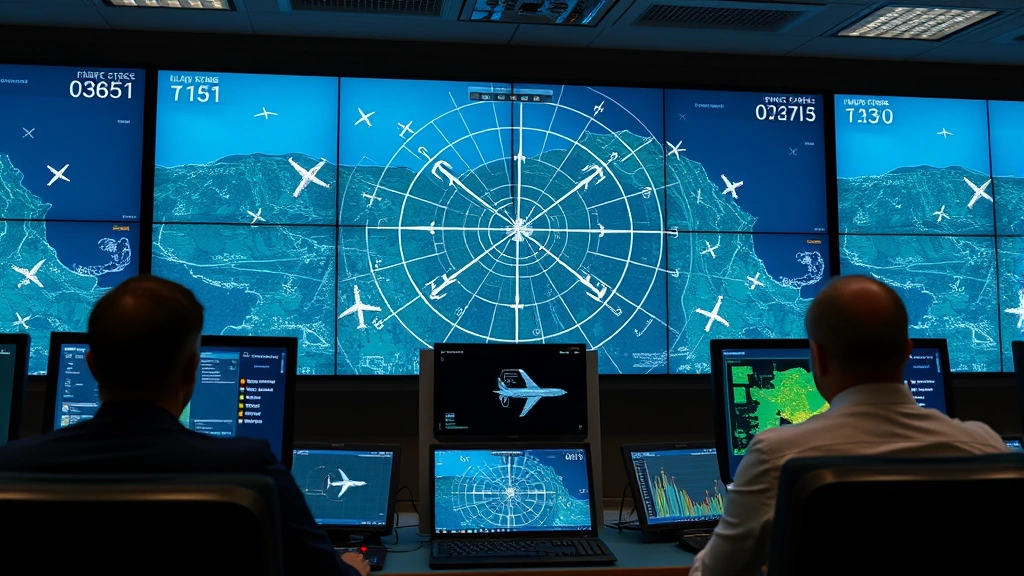
Weather and Environmental Factors
Weather represents the single largest cause of flight delays, yet it’s simultaneously the most unpredictable factor airlines face. Thunderstorms, heavy snow, fog, high winds, and hurricanes all trigger delays through different mechanisms. Thunderstorms create hazardous conditions that force aircraft to reduce speeds or hold patterns, while heavy precipitation reduces runway friction and extends braking distances, necessitating increased spacing between landings.
Winter weather particularly impacts northern routes and mountain passes. Ice accumulation on runways requires de-icing treatments that consume significant time, and snow removal operations can reduce airport capacity by 50% or more. Seasonal routes, such as those serving ski destinations, experience predictable weather delays during specific months, making travel planning during these periods essential.
Volcanic ash presents an unusual but serious weather-related delay factor, particularly affecting routes over Iceland and other volcanically active regions. Wind shear near thunderstorms forces pilots to abort approaches and divert to alternate airports. High altitude winds can add or subtract hours from flight duration, affecting crew duty times and subsequent flight scheduling.
Climate change is intensifying weather volatility, with more severe thunderstorms, unexpected temperature fluctuations, and precipitation pattern changes creating additional unpredictability. Airlines now employ sophisticated weather monitoring systems and partner with meteorological services to anticipate delays, but the increasing frequency of extreme weather events continues to challenge operational planning.
Mechanical and Technical Issues
Modern aircraft are remarkably reliable, with redundant systems and rigorous maintenance protocols ensuring passenger safety. However, mechanical issues still account for approximately 15% of flight delays. These range from minor problems like lavatory malfunctions or overhead bin issues to more serious concerns involving engines, hydraulic systems, or avionics equipment.
Preventive maintenance is scheduled between flights, but unscheduled maintenance issues occasionally emerge during pre-flight inspections. Airlines must decide whether to attempt quick repairs or swap aircraft entirely. A 30-minute repair might be faster than repositioning a replacement aircraft, but some mechanical issues require specialized parts or technicians, necessitating significant delays.
Older aircraft require more maintenance attention, which is why choosing airlines with modern fleet investments can reduce your delay exposure. Airlines operating newer aircraft with advanced avionics and engine designs experience fewer mechanical delays. The Boeing 787 and Airbus A350, for example, incorporate predictive maintenance systems that identify potential issues before they cause failures.
Avionics failures, while rare, can ground aircraft indefinitely if replacement parts must be specially ordered. Environmental control system malfunctions affect passenger comfort but may not prevent flight departure. Galley equipment failures rarely cause delays, but cargo door issues or structural concerns ground aircraft until thorough inspections are completed.
Crew Scheduling and Staffing Challenges
Airlines operate under strict Federal Aviation Administration regulations limiting pilot and flight attendant duty times to ensure rest and safety. A delayed flight that extends crew duty times can prevent those crew members from operating subsequent flights, requiring standby crew replacement or flight cancellations. During peak travel periods, airlines operate with minimal crew buffer, making any disruption cascade into multiple delays.
Pilot illness or unexpected absences force last-minute crew swaps, and finding qualified replacement crew members on short notice proves challenging. Flight attendants face similar constraints, and many airlines struggle with staffing levels, particularly at smaller regional airports. Labor shortages in the aviation industry have intensified since 2020, with many experienced crew members leaving the industry and training pipelines unable to fill vacancies quickly.
Crew connections represent another delay factor. If an inbound flight arrives late, the crew assigned to operate the next flight may exceed duty-time limits if departure occurs on schedule. Airlines must either delay the departure to allow crew rest or position fresh crew members from other locations, both options consuming time and resources.
International flights amplify crew scheduling complexity through visa requirements, work permit restrictions, and jet lag considerations. Crews operating transatlantic or transpacific routes require longer rest periods, and regulations prevent crew members from working excessive hours across multiple time zones. This constraint limits crew flexibility and increases the impact of any initial delay.
Airport Congestion and Ground Operations
Major airport hubs like Atlanta, Dallas, and Chicago handle hundreds of flights daily, creating complex traffic patterns both on runways and at gates. During peak hours, airports reach maximum capacity, and any minor delay cascades into broader congestion. Runway availability, taxiway congestion, and gate availability all contribute to ground delay programs that hold aircraft at their departure airports.
Ground support services including catering, baggage handling, fueling, and cleaning must complete their work within tight windows between flights. Shortages of ground personnel, equipment breakdowns, or unexpected maintenance needs can extend turnaround times. During summer peak season, many airports struggle with sufficient catering trucks and baggage handling equipment, creating bottlenecks.
De-icing operations at northern airports during winter consume significant time, with each aircraft requiring 15-30 minutes of treatment depending on weather intensity. When multiple aircraft require de-icing simultaneously, queues form, and departure delays mount. Some airports have invested in heated runways and taxiways to reduce de-icing requirements, but most facilities still rely on traditional chemical treatments.
International airports face additional complexity through customs and immigration procedures. Inbound international flights must clear passenger processing before turnaround, and any delays in this process cascade to the next departure. Some airports have invested in expedited processing systems, but capacity constraints remain at many facilities.
Passenger-Related Delays
Passengers themselves contribute to approximately 5-10% of flight delays through various behaviors. Slow boarding, particularly when passengers struggle with carry-on luggage placement, extends turnaround times. Airlines have implemented zone-based boarding and designated seating procedures to accelerate this process, but passenger compliance varies significantly.
Oversold flights requiring passenger rebooking, involuntary denied boarding situations, and passenger medical emergencies all cause delays. Some passengers arrive late to gates, forcing airlines to hold departure while crew search for these individuals. Unruly passenger incidents occasionally require law enforcement intervention, causing substantial delays and operational disruption.
Baggage-related issues, including passengers traveling with oversized carry-on luggage or those checking bags at the gate due to full overhead bin space, slow boarding processes. Lost connections force airlines to hold aircraft for connecting passengers, impacting on-time performance. These passenger-related factors, while individually minor, collectively account for meaningful delay percentages.
Proactive Strategies to Avoid Delays
Strategic flight selection represents your most effective defense against delays. Early morning flights experience fewer delays than afternoon or evening departures, as morning flights avoid accumulated delays from previous departures. Flights departing before 7 AM show on-time performance rates 5-10% higher than midday flights, making early departures worth the inconvenience.
Selecting flights during off-peak travel periods reduces congestion-related delays. Flying on Tuesdays, Wednesdays, or Saturdays typically offers better on-time performance than Fridays, Sundays, or Mondays. Avoiding peak travel seasons (summer, Thanksgiving, Christmas, spring break) reduces your exposure to congestion-related delays, though personal scheduling constraints often override this consideration.
When determining the best times to book airline tickets, also research historical delay data for your chosen route. The Bureau of Transportation Statistics maintains detailed airline performance metrics, and many online tools aggregate this information. Routes serving secondary airports often experience fewer delays than those serving major hubs.
Choosing airlines with strong operational records reduces delay exposure. Carriers investing in modern aircraft, adequate staffing, and advanced scheduling systems consistently outperform competitors. Regional carriers operating point-to-point routes typically show better on-time performance than legacy carriers managing complex hub-and-spoke networks.
Building buffer time into your itinerary provides flexibility when delays occur. Booking refundable airline tickets offers additional protection, allowing you to rebook on alternative flights if significant delays develop. For international connections, experts recommend minimum 2-3 hour layovers, providing sufficient time to recover from inbound flight delays.
Monitoring real-time flight tracking applications provides early warning of developing delays. FlightAware, FlightRadar24, and airline-specific applications show aircraft locations, expected arrival times, and gate information. Subscribing to airline notifications ensures you receive updates about your specific flight, allowing you to adjust ground transportation and hotel arrangements proactively.
Rights and Compensation When Delays Occur
Understanding your passenger rights when delays occur empowers you to seek appropriate compensation and accommodations. In the United States, the Department of Transportation (DOT) establishes passenger protection rules requiring airlines to provide meals, refreshments, and hotel accommodations for overnight delays caused by airline responsibility.
The European Union implements more stringent passenger rights regulations under EU Regulation 261/2004, requiring airlines to provide compensation for delays exceeding three hours, regardless of cause (with limited exceptions for extraordinary circumstances). Compensation ranges from €250-€600 depending on flight distance, and these rights apply to EU-based carriers and flights departing from EU airports.
The International Civil Aviation Organization (ICAO) provides guidance on passenger rights, though specific regulations vary by country. Many airlines provide compensation voluntarily to maintain customer relationships, even when regulations don’t require it. Documenting delays with boarding passes, receipt photos, and communication records strengthens compensation claims.
Travel insurance policies often include delay coverage, providing compensation when delays exceed specified thresholds (typically 6-12 hours). Some premium credit cards include travel delay protection, reimbursing expenses for hotel accommodations and meals. Understanding your coverage before delays occur ensures you maximize available compensation.
Filing compensation claims requires documenting the delay, flight details, and expenses incurred. Many online services facilitate this process, collecting documentation and submitting claims on your behalf (typically retaining 20-30% of recovered compensation). Airlines often dispute claims, particularly regarding extraordinary circumstances, making persistence important.
FAQ
What is the most common cause of flight delays?
Weather represents the most common delay cause, accounting for approximately 30% of all delays. Thunderstorms, snow, fog, and high winds force airports to reduce capacity and extend spacing between aircraft. While airlines cannot control weather, they can prepare through route planning and aircraft positioning strategies.
How can I check real-time flight delay information?
Multiple applications provide real-time flight tracking, including FlightAware, FlightRadar24, and airline-specific apps. These services show aircraft location, estimated arrival time, gate information, and developing delays. Most airlines also send notifications to passengers about schedule changes through text message and email.
Am I entitled to compensation for weather-related delays?
Compensation eligibility for weather delays varies by jurisdiction. In the United States, weather-related delays are typically considered “extraordinary circumstances” exempting airlines from compensation requirements. However, European regulations require compensation for weather delays in some circumstances, and individual airlines may provide voluntary compensation regardless of regulations.
What should I do if I miss a connection due to a delayed flight?
Inform airline staff immediately upon arrival that you’ve missed your connection. Airlines are obligated to rebook you on the next available flight at no additional cost. For international connections, airlines must provide meals and hotel accommodations if an overnight stay becomes necessary. Keep all receipts for expenses incurred.
How far in advance should I arrive for flights to minimize delay risk?
Arriving 2 hours before domestic flights and 3 hours before international flights allows sufficient buffer for unexpected delays in parking, security, and check-in. Early arrival also provides flexibility if your flight experiences minor delays before departure. However, arriving excessively early simply increases time spent in airport terminals.
Do certain airlines have better on-time performance records?
Yes, on-time performance varies significantly among carriers. The Department of Transportation publishes monthly airline performance reports showing on-time statistics, cancellation rates, and baggage handling metrics. Regional carriers and airlines operating newer aircraft typically show superior on-time performance compared to legacy carriers managing complex hub networks.
Can I claim compensation for delays caused by mechanical issues?
Mechanical issues are typically considered airline responsibility, making them eligible for compensation under most regulations. However, airlines may argue that certain mechanical failures constitute extraordinary circumstances beyond their control. European regulations generally require compensation for mechanical delays, while US regulations provide fewer protections.
What is the difference between a delay and a cancellation?
Delays occur when flights depart later than scheduled but ultimately operate. Cancellations occur when flights don’t operate at all, requiring rebooking on alternative flights. Cancellations typically entitle passengers to more substantial compensation and accommodations than delays, though specific rights depend on jurisdiction and circumstances.
How do I document a flight delay for compensation claims?
Retain your boarding pass, take photos of delay notifications displayed at gates, save email confirmations of schedule changes, and document all expenses incurred (meals, hotel, transportation). Collect names and badge numbers of airline staff you interact with, and request written confirmation of delay reasons. These documents strengthen compensation claims significantly.
Are there any flight delay prediction tools I can use when booking?
Several websites analyze historical delay data to predict delays for specific routes and times. These tools examine weather patterns, airport congestion, airline operational history, and aircraft scheduling to estimate delay probability. While predictions aren’t perfect, they provide useful guidance when selecting flights during booking.