Track Korean Air Flights: Real-Time Updates & Flight Status
Korean Air, one of Asia’s leading carriers, operates hundreds of flights daily connecting major cities across the globe. Whether you’re planning a trip to Seoul, connecting through Incheon International Airport, or traveling to distant destinations, tracking your Korean Air flight status in real-time has become essential for modern travelers. This comprehensive guide walks you through everything you need to know about monitoring your flight, understanding delays, and accessing live updates before you head to the airport.
In today’s fast-paced travel environment, staying informed about your flight’s status can mean the difference between a smooth journey and a stressful experience. Korean Air provides multiple channels for passengers to access real-time flight information, from their official website to mobile applications and third-party tracking services. Understanding how to use these tools effectively ensures you’re never caught off guard by schedule changes, gate assignments, or unexpected delays.
Official Korean Air Flight Tracking Methods
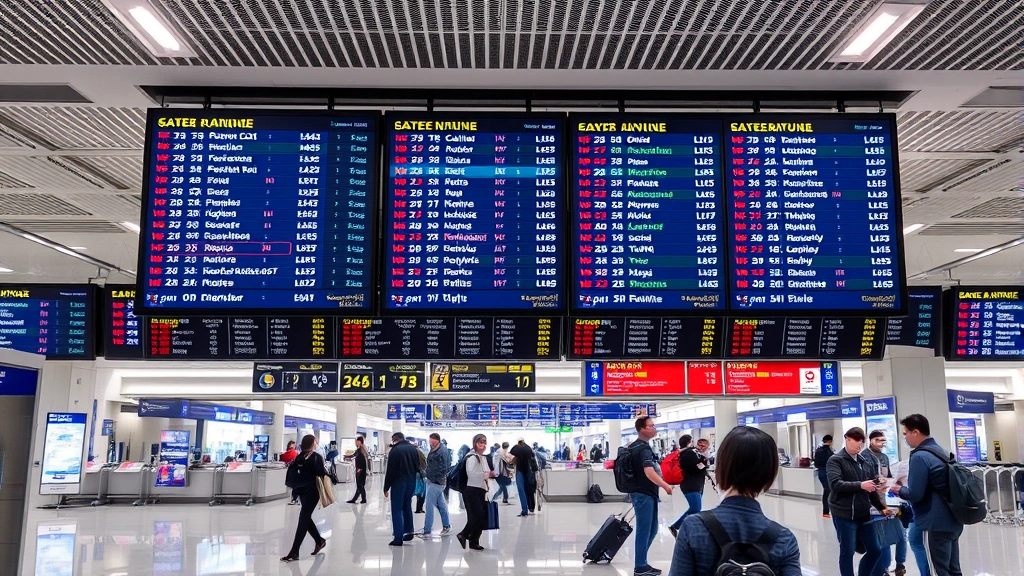
Korean Air’s official website remains the most reliable source for tracking your flight. Visit Korean Air’s official site and navigate to the flight status section, where you can enter your flight number, departure date, and either your departure or arrival city. The system instantly displays comprehensive information about your flight, including estimated departure and arrival times, current aircraft location, and gate assignments once you’ve checked in.
To track a Korean Air flight effectively, you’ll need either your confirmation number or flight number. Your confirmation number appears on your booking confirmation email and your airline ticket. If you only have your flight number—typically a two-letter airline code (KE for Korean Air) followed by numbers—that’s equally effective. The airline’s tracking system updates approximately every 15-30 minutes, providing near real-time information about your flight’s progress.
Korean Air also offers a dedicated customer service hotline where agents can provide flight status updates. This option proves particularly valuable if you’re experiencing connectivity issues or prefer speaking with a representative directly. The airline maintains customer service centers in major cities worldwide, and multilingual support ensures you can get assistance regardless of your location.
Real-Time Flight Status Updates
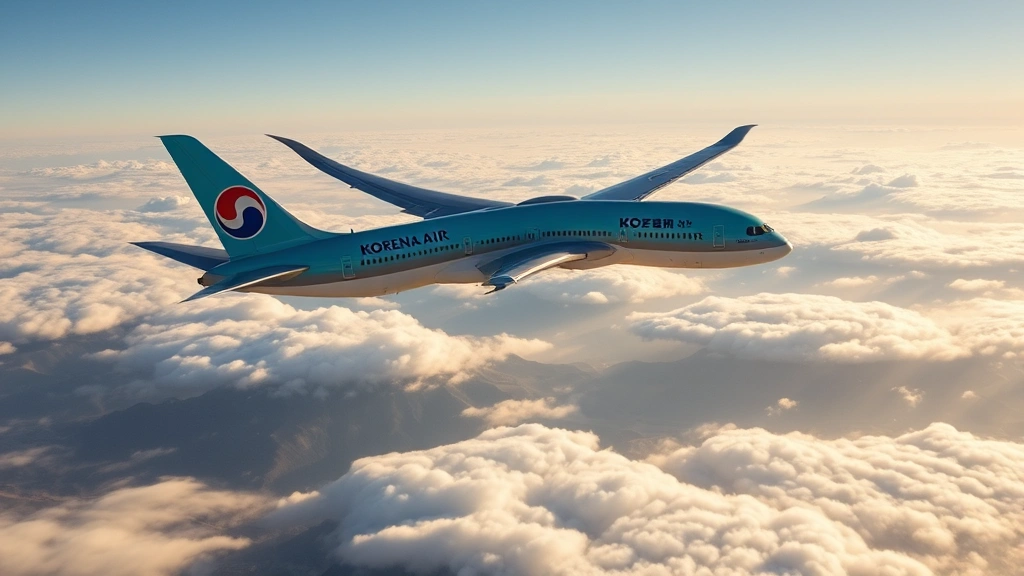
Real-time flight status encompasses several key data points that matter to travelers. Scheduled departure time shows when your flight was originally planned to leave, while estimated departure time reflects any changes due to weather, mechanical issues, or air traffic delays. Similarly, arrival information displays both your scheduled and estimated arrival times at your destination.
The aircraft type information helps you understand what you’ll be flying in. Korean Air operates modern fleets including Boeing 777, Boeing 787 Dreamliner, and Airbus A380 aircraft on international routes. Knowing your aircraft type helps set expectations regarding comfort levels and amenities, especially if you’re considering our guide on best airlines for long flights.
Gate assignment information typically appears two to three hours before departure. Until then, you’ll see “gate to be announced” or similar messaging. Once assigned, gates can change, particularly if there are aircraft swaps or terminal adjustments. Checking the flight status 90 minutes before departure ensures you have the correct gate information before heading to the airport.
Terminal information proves equally important for international travelers. Incheon International Airport, Korean Air’s primary hub, features two terminals. Terminal 1 handles most Korean Air flights, while Terminal 2 serves select carriers. Confirming your terminal when tracking your flight prevents arriving at the wrong location and missing your flight.
Mobile Apps and Digital Tools
The Korean Air mobile application stands as the most convenient way to track your flight on the go. Available for both iOS and Android devices, the app provides one-tap access to your flight status without navigating through the website. Simply log in with your frequent flyer account or confirmation details, and your upcoming flights appear immediately on your home screen.
The mobile app offers push notifications for critical updates. Enable notifications to receive alerts when your flight status changes, gates are assigned, or boarding begins. This feature proves invaluable if you’re running late or dealing with multiple flights. You can customize notification preferences to receive only the alerts most relevant to your travel plans.
Third-party flight tracking applications provide alternative tracking options. Apps like FlightAware, FlightRadar24, and Skyscanner offer real-time flight tracking with visual maps showing your aircraft’s exact position, altitude, and speed. These apps work for all airlines, including Korean Air, and provide fascinating insights into your flight’s progress. FlightRadar24, in particular, offers detailed aircraft information and historical flight data.
Web-based tracking services require no app download. Simply visit these platforms, enter your flight number, and access comprehensive tracking information. Many travelers prefer web-based options for one-time tracking needs, while frequent flyers benefit from app functionality and saved preferences. Consider our resource on SkyVoyage Hub Blog for additional travel technology recommendations.
Email notifications represent another valuable tracking method. Korean Air automatically sends status updates to your email address on file. These emails alert you to significant changes like cancellations or major delays. Additionally, many third-party services allow you to subscribe to email alerts for specific flights, ensuring you receive updates even if you’re not actively checking your phone or computer.
Understanding Flight Information
Flight status terminology can confuse travelers unfamiliar with aviation conventions. “On Time” indicates your flight is operating as scheduled with no anticipated delays. “Delayed” means your flight will depart later than originally scheduled, with the tracking system showing an updated departure time. Most delays last 15-60 minutes, though weather or mechanical issues can cause longer delays.
“Cancelled” is the status no traveler wants to see. If your flight is cancelled, Korean Air must rebook you on the next available flight to your destination or offer a full refund. The airline prioritizes getting passengers to their destinations, so rebooking typically happens quickly. Check your email immediately for rebooking options, or contact customer service.
“Boarding” indicates that passengers are currently boarding the aircraft. This status typically appears 30-60 minutes before scheduled departure. “Boarding Closed” means the gate has shut, and no additional passengers can board. If you haven’t boarded by this time, contact a gate agent immediately—they may still accommodate you if you’re at the gate.
“In Flight” shows your aircraft is currently airborne. Tracking continues during flight, displaying your real-time position, altitude, and estimated arrival time. Many passengers find real-time flight tracking during the flight itself reassuring, especially on long-haul flights. The data updates every few minutes, allowing you to follow your journey across continents and oceans.
“Landed” confirms your aircraft has touched down at the destination airport. However, landing doesn’t mean you can immediately exit the aircraft. After landing, your plane must taxi to the gate, which can take 10-20 minutes depending on airport congestion. Gate arrival times are provided in the tracking system.
Understanding Korean Air’s route network helps contextualize flight information. The airline operates extensive domestic routes throughout South Korea and international services to major Asian hubs, North America, Europe, and the Middle East. If you’re considering Houston to Seattle flights or other North American routes, Korean Air often provides competitive options with connections through Incheon.
Delays, Cancellations, and Rebooking
Flight delays happen for numerous reasons, and tracking systems help you understand what’s causing the hold-up. Weather-related delays are most common, particularly during monsoon season in Asia or winter storms affecting routes to North America and Europe. Mechanical delays occur when maintenance inspections reveal issues requiring resolution before flight. Air traffic delays result from congestion at departure or arrival airports.
When delays occur, Korean Air provides regular updates through all available channels. Check your email, mobile app, and the website frequently for status changes. Some delays resolve quickly—a 30-minute delay might clear as soon as ground operations complete. Others extend if weather patterns persist or mechanical issues prove more serious than initially assessed.
If your flight is delayed more than three hours, you may be entitled to compensation under international aviation regulations. The amount varies based on flight distance and departure airport. EU Regulation 261/2004 and similar regulations in other jurisdictions provide passenger protection. Korean Air’s website includes information about passenger rights and compensation procedures.
Cancellations require immediate action. Korean Air must offer rebooking on the next available flight or a full refund. If rebooking occurs on a flight departing significantly later, you’re entitled to meals, refreshments, and hotel accommodation if an overnight stay is necessary. Keep all receipts for expenses incurred due to the cancellation—Korean Air will reimburse reasonable costs.
For rebooking options, contact Korean Air immediately through any available channel. Their customer service team works to rebook passengers as quickly as possible, often getting you on a flight within 24 hours. If Korean Air cannot accommodate you on their own flights, they may arrange passage on partner airlines. Ensure you receive written confirmation of your new flight details and booking reference.
Preparation for potential disruptions includes reviewing our guide on essential tips for long haul flights, which covers contingency planning and knowing your passenger rights. Additionally, understanding airline luggage size restrictions prevents complications if you’re rebooked on different aircraft with varying cargo capacity.
International Flight Tracking Features
International flights introduce additional complexity to flight tracking. Korean Air operates flights across multiple time zones, and tracking systems automatically adjust times to your local timezone for clarity. When tracking a flight departing Seoul at 2 PM local time and arriving in New York the same day at 4 PM, the system accounts for the 13-hour time difference.
International flights include customs and immigration clearance at arrival airports. Your tracking status shows “Landed” when the aircraft touches down, but you won’t exit the airport for another 1-2 hours as you clear immigration, collect baggage, and pass through customs. Plan accordingly if you have tight connections—allow at least two hours between international arrival and domestic departure, or three hours for connections to other international flights.
Visa and passport requirements don’t appear in flight tracking systems, but they’re crucial for international travel. Ensure your passport is valid for at least six months beyond your intended return date before booking your Korean Air flight. Many countries require this validity period, and Korean Air staff at check-in verify passport validity before allowing you to board international flights.
Currency exchange and payment information vary by destination. While Korean Air accepts major credit cards and currencies, knowing the exchange rates at your destination helps budget effectively. Most airports feature currency exchange services, though rates are typically less favorable than banks or ATMs.
Travel advisories and entry requirements change frequently, especially for international destinations. Before tracking your flight and traveling, visit your country’s official travel advisory website for current information about your destination. The U.S. State Department Travel Advisories and similar resources from other governments provide essential safety and entry requirement information.
Korean Air’s international network continues expanding, with new routes and increased frequency on popular services. Their partnership with SkyTeam alliance members provides additional routing options and benefits for frequent travelers. If you’re a member of Korean Air’s Skypass frequent flyer program, tracking flights offers additional information about earning miles and checking your elite status benefits.
Incheon International Airport, where most Korean Air international flights operate, consistently ranks among Asia’s best airports. Modern facilities, efficient processes, and clear signage make navigating connections straightforward. If you’re connecting through Incheon, allow 2-3 hours for domestic to international connections, or 1.5-2 hours for international to international connections.
FAQ
How often does Korean Air flight status update?
Korean Air’s official tracking system updates approximately every 15-30 minutes with the latest flight information. Third-party tracking apps like FlightRadar24 provide more frequent updates, sometimes every few minutes, showing real-time aircraft position data. Mobile app push notifications alert you to significant status changes immediately.
Can I track a Korean Air flight without a booking confirmation?
You’ll need either your confirmation number or flight number to track a Korean Air flight on their official website. If you don’t have your confirmation number, you can use your flight number (starting with KE). Third-party tracking apps allow tracking by flight number alone, without any booking information.
What does “gate to be announced” mean?
“Gate to be announced” indicates that your departure gate hasn’t been assigned yet. Gates are typically assigned 2-3 hours before departure. Check your flight status closer to departure time to see your assigned gate. Arriving at the airport 3 hours before international flights ensures you have gate information before needing to head to security.
Why is my Korean Air flight delayed?
Delays result from various factors including weather conditions, mechanical inspections, air traffic congestion, or crew scheduling issues. Your tracking system should display the reason for delay. If it doesn’t, contact Korean Air customer service for an explanation. Most delays are resolved within 1-2 hours, though severe weather may cause longer delays.
How do I claim compensation for a Korean Air flight delay?
If your Korean Air flight is delayed more than three hours at arrival, you may qualify for compensation under international aviation regulations. The amount depends on flight distance and departure airport. Visit Korean Air’s website for compensation procedures, or contact their customer service team. Keep documentation of your flight details and any expenses incurred.
Can I change my flight if I’m tracking delays?
Yes, if your Korean Air flight is significantly delayed or cancelled, you can request rebooking on an alternative flight. Contact Korean Air immediately through their website, mobile app, or customer service line. Depending on your ticket type, you may also have the option to change your flight for a fee or potentially free if the airline initiated the change.
What’s the best way to track Korean Air flights internationally?
The Korean Air mobile app provides the most convenient option for international flight tracking, offering push notifications and real-time updates. For detailed aircraft position data, use FlightRadar24 or FlightAware. The official website works well if you prefer web-based tracking. Combine multiple methods to ensure you never miss important flight information.