Spirit Airlines to Haiti: Affordable Travel Guide
Spirit Airlines offers one of the most budget-friendly options for travelers heading to Haiti, making Caribbean exploration accessible to budget-conscious adventurers. As an ultra-low-cost carrier, Spirit specializes in keeping fares remarkably low while maintaining operational reliability on routes connecting major U.S. hubs to Port-au-Prince’s Toussaint Louverture International Airport. Whether you’re planning a cultural immersion, visiting family, or exploring Haiti’s natural beauty, understanding how to navigate Spirit Airlines flights can significantly reduce your travel expenses.
Haiti, the birthplace of Caribbean independence and home to vibrant culture, breathtaking beaches, and mountainous landscapes, deserves to be on every traveler’s radar. Spirit Airlines makes this destination more accessible than ever, with competitive pricing that allows you to allocate more budget toward experiencing Haiti’s rich heritage, delicious cuisine, and warm hospitality. This comprehensive guide covers everything you need to know about booking Spirit Airlines flights to Haiti, maximizing value, and preparing for your journey.
Spirit Airlines Overview and Haiti Routes
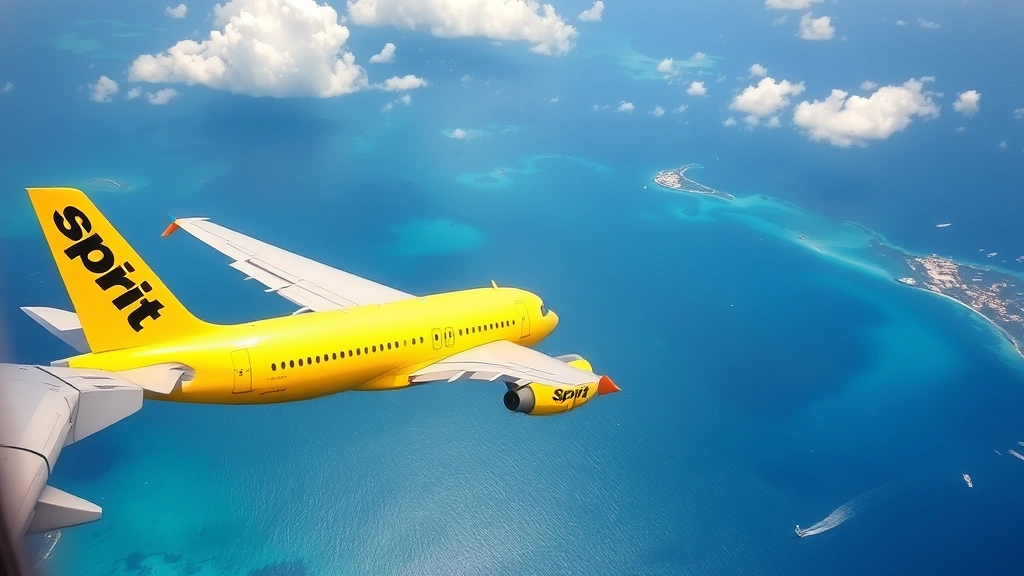
Spirit Airlines operates as America’s leading ultra-low-cost carrier, pioneering the model of transparent, à la carte pricing where you pay only for what you use. Founded in 1983 and headquartered in Fort Lauderdale, Florida, Spirit has expanded its Caribbean presence significantly, making Haiti more accessible than traditional full-service carriers. The airline operates modern Airbus A319 and A320 aircraft on most routes, ensuring fuel efficiency and reliable service on the Port-au-Prince route.
Spirit Airlines typically offers service to Haiti from multiple U.S. gateway cities, with Fort Lauderdale (FLL) serving as the primary hub. Flights from major metropolitan areas like New York, Boston, and Philadelphia connect through these hubs, creating flexible routing options for travelers across the country. Flight times from most U.S. East Coast cities typically range from 3.5 to 5 hours, depending on connections and routing. The airline’s schedule accommodates both leisure travelers and those visiting family, with regular weekday and weekend departures ensuring flexibility for your travel dates.
Understanding airline characteristics for different flight types helps you set realistic expectations. Spirit’s operational model focuses on efficiency and affordability rather than premium amenities, making it ideal for value-conscious travelers who prioritize cost savings over extensive in-flight services. The airline maintains a solid safety record and receives consistent operational performance ratings from aviation authorities.
Booking Your Spirit Flight to Haiti
Booking a Spirit Airlines flight to Haiti requires strategic planning to maximize savings and ensure a smooth reservation process. Visit the official Spirit Airlines website directly, as booking through their platform often provides the lowest fares compared to third-party travel websites. The booking interface allows you to compare prices across multiple dates, helping identify the cheapest travel windows for your desired itinerary.
Use the flexible dates feature when searching for flights, as this reveals price variations across weeks. Haiti travel typically peaks during dry season months (November through March), when prices increase accordingly. Traveling during shoulder seasons (April-May or September-October) can yield significant savings, sometimes 30-40% lower than peak pricing. Mid-week departures (Tuesday through Thursday) generally offer better rates than weekend flights.
Create a Spirit Airlines account before booking to access exclusive deals, fare alerts, and promotional offers. The airline frequently sends email notifications about flash sales and limited-time discounts to registered users. Consider joining their loyalty program, even as a casual traveler, as accumulated miles can offset future booking costs. When ready to purchase, review optimal booking windows to ensure you’re purchasing at the right time.
During checkout, carefully review all charges before finalizing your reservation. Spirit’s pricing model separates base fares from additional fees, which can include seat selection, baggage, and payment processing charges. Understanding these costs upfront prevents surprise charges and helps you make informed decisions about which services genuinely benefit your trip. Some travelers find that paying for a checked bag still costs less than the total price with competing airlines.
Understanding Spirit’s Baggage Policy
Spirit Airlines’ baggage policy differs significantly from traditional carriers, requiring careful planning to avoid expensive fees. Each passenger receives one personal item free of charge—defined as a purse, small backpack, or laptop bag fitting under the seat. This personal item must not exceed 16″ x 14″ x 12″ in dimensions, so verify your bag meets these specifications before arrival at the airport.
Carry-on luggage requires payment, with current fees typically ranging from $35-45 for the first checked bag and $45-55 for additional bags, though pricing varies by route and booking method. Many budget-conscious travelers pack strategically to fit belongings entirely within their free personal item, eliminating baggage fees entirely. This requires disciplined packing but can result in substantial savings, particularly for families traveling together. Learn more about luggage specifications and restrictions to optimize your packing strategy.
For Haiti trips involving beach time or extended stays, many travelers pre-purchase baggage allowances during booking when rates are lowest. Purchasing bags during the flight booking process costs significantly less than adding them at check-in or the gate. If traveling with multiple bags, bundled packages offer better rates than purchasing individual allowances. International travel to Haiti typically involves longer stays, making baggage investment worthwhile compared to cramming everything into a personal item.
Spirit’s baggage policy applies to all passengers equally, with no exceptions for elite members or frequent flyers unless holding premium fare classes. If you’re traveling with family, calculate total baggage costs when comparing Spirit to other carriers—sometimes paying more upfront for a full-service airline proves economical when baggage fees accumulate across multiple family members.
Pricing Strategies and Money-Saving Tips
Maximizing value on Spirit Airlines requires understanding their pricing psychology and booking strategically. Base fares often appear remarkably cheap, sometimes $50-80 cheaper than competitors, but add-ons quickly accumulate. Calculate total trip cost including baggage, seat selection, and any other services you need, then compare against full-service carriers’ all-inclusive pricing. This comprehensive comparison ensures you’re truly getting the best deal.
Book directly during promotional periods when Spirit announces flash sales via email or their website. These limited-time offers, sometimes appearing on Tuesdays or during specific seasons, can reduce fares by 20-30% compared to regular pricing. Set up price alerts through ticket booking strategies to receive notifications when fares drop. Travel blogs and deal websites often highlight Spirit promotions before they’re widely announced.
Consider flying on less popular dates if your schedule permits flexibility. Overnight or early-morning departures frequently cost less than convenient afternoon flights. Red-eye flights to Haiti, while challenging, can result in 15-25% savings compared to daytime options. Arriving early morning in Port-au-Prince provides an unexpected benefit: you maximize your first day exploring Haiti rather than wasting daylight hours on travel.
Utilize Spirit’s layover strategy when available. Flying through Fort Lauderdale rather than direct routes from certain cities sometimes costs less, despite the extra time. Evaluate whether the time tradeoff justifies the savings—a 3-hour layover might save $100 per person, making it worthwhile for flexible travelers. However, always build in sufficient layover time to comfortably connect without rushing.
Preparing for Your Flight Experience
Preparing for a Spirit Airlines flight to Haiti involves understanding what to expect and planning accordingly. Arrive at the airport 3 hours before international departures, providing ample time for check-in, security screening, and any last-minute complications. Spirit’s airport procedures follow standard protocols, but arriving early reduces stress on international travel days.
Pack strategically knowing you’ll have limited carry-on space unless purchasing additional baggage allowances. Medications, electronics, travel documents, and valuables should fit within your free personal item. Wear comfortable clothing for the flight, as Spirit doesn’t provide pillows or blankets on Caribbean routes. Bringing a neck pillow, eye mask, and compression socks enhances comfort on 3-5 hour flights. Review long-haul flight preparation even for medium-length Caribbean routes.
Bring your own snacks and beverages, as Spirit charges premium prices for onboard food and drinks. The airline offers limited complimentary service on Caribbean routes, with water available but most other items requiring payment. Pack a refillable water bottle (empty until after security), non-perishable snacks, and any medications you might need during flight. This approach saves money while ensuring you have preferred items available.
Download the Spirit Airlines mobile app before your flight, allowing easy access to your boarding pass, flight information, and real-time updates. The app provides seat maps, baggage tracking, and allows last-minute changes without calling customer service. Having everything digitally accessible ensures smooth navigation through the airport and reduces reliance on printed documents.
Destination Information and Arrival
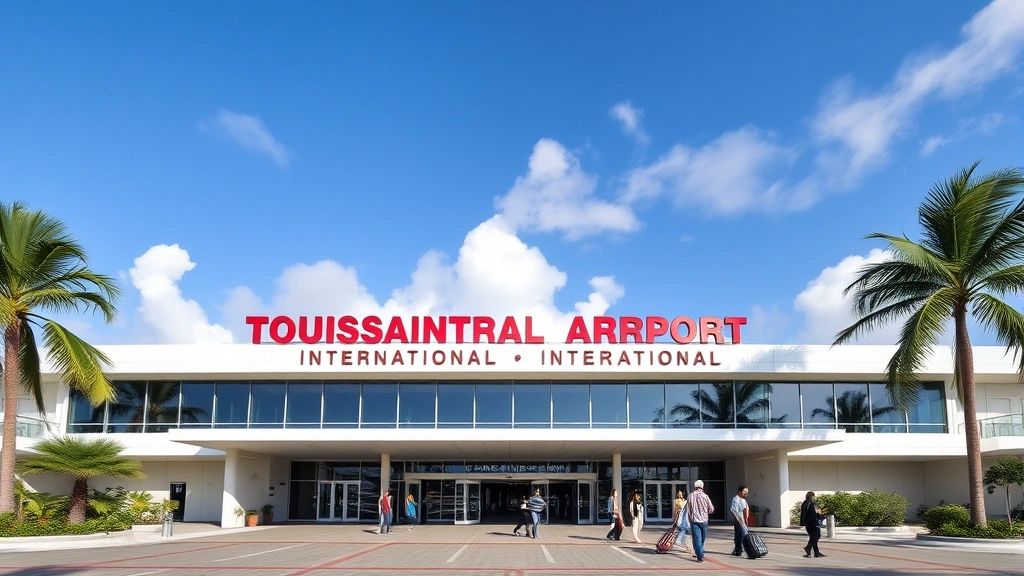
Toussaint Louverture International Airport (PAP) serves as Haiti’s primary gateway, located approximately 30 kilometers north of Port-au-Prince’s city center. The airport features modern facilities following recent renovations, with adequate customs and immigration infrastructure for international travelers. Expect immigration processing to take 30-60 minutes during busy periods, so plan accordingly when arranging ground transportation or accommodations.
Upon arrival, exchange currency at official airport exchange counters, as rates are regulated and fair. Haitian gourdes (HTG) remain the local currency, though U.S. dollars are widely accepted throughout tourist areas. ATMs are available in the airport terminal, providing convenient access to local currency. Inform your bank of travel plans before departure to prevent card blocks on international transactions.
Ground transportation from the airport includes pre-arranged hotel shuttles, registered taxis, and ride-sharing services when available. Negotiate taxi fares before entering the vehicle, as meters aren’t universally used. Many travelers arrange transportation through their hotel in advance, eliminating negotiation stress after a long flight. This investment typically costs $25-40 and provides peace of mind arriving in an unfamiliar country.
Haiti offers remarkable attractions including the Citadelle Laferrière fortress, vibrant street markets, pristine beaches, and welcoming communities. The island’s northern region features less-developed tourist infrastructure but rewards adventurous travelers with authentic experiences. Cap-Haïtien, Haiti’s second-largest city, provides excellent bases for exploring historical sites and accessing beautiful beaches. Research destinations before arrival to maximize your time and plan realistic itineraries.
Safety and Travel Requirements
Travel safety to Haiti requires current awareness and practical precautions. Consult the U.S. State Department’s Haiti travel advisory for current conditions and regional safety information before booking your trip. The advisory provides detailed guidance on safe areas, security concerns, and recommended precautions for travelers.
Vaccinations are recommended for Haiti travel, including routine immunizations plus hepatitis A, typhoid, and potentially others depending on individual health profiles. Consult with a travel medicine clinic 4-6 weeks before departure to determine appropriate vaccinations for your specific itinerary. Malaria prevention may be recommended for certain regions, so discuss antimalarial medications with healthcare providers.
Travel insurance provides essential protection for international trips, covering medical emergencies, flight cancellations, and lost luggage. Budget $50-100 for comprehensive coverage on Haiti trips, protecting against unexpected costs that could exceed savings from budget airline tickets. Review policy details carefully, ensuring coverage includes medical evacuation and emergency repatriation if needed.
Register with the U.S. Embassy in Haiti through the Smart Traveler Enrollment Program (STEP) before departure, enabling official notification in emergencies. Keep copies of important documents (passport, travel insurance, flight confirmations) separate from originals. Share your itinerary with trusted contacts, including flight information and accommodation details.
Dress conservatively in Haiti, respecting local customs and cultural norms. Avoid displaying expensive jewelry, electronics, or large amounts of cash in public areas. Stay aware of your surroundings, particularly in Port-au-Prince city center, and use registered transportation services rather than hailing random taxis. Following basic travel safety practices allows you to enjoy Haiti’s remarkable culture and natural beauty while minimizing risks.
FAQ
What is the average cost of Spirit Airlines flights to Haiti?
Spirit Airlines base fares to Haiti typically range from $80-150 one-way during off-peak periods, rising to $150-250 during peak travel seasons. Total trip costs including baggage and fees generally fall between $200-400 round-trip, still significantly cheaper than traditional carriers. Booking during promotional periods can reduce these fares by 20-30%.
How far in advance should I book Spirit flights to Haiti?
Booking 3-6 weeks in advance typically yields optimal pricing for Spirit Airlines Caribbean routes. However, monitoring prices continuously and booking when fares drop proves effective for flexible travelers. Last-minute deals occasionally appear, but relying on flash sales involves risk if prices increase instead.
Does Spirit Airlines offer direct flights from all U.S. cities to Haiti?
Spirit operates direct service primarily from Fort Lauderdale to Port-au-Prince. Travelers from other U.S. cities typically connect through Fort Lauderdale, New York, or Boston hubs. Check the Spirit website for your departure city to confirm available routing options.
Can I purchase additional baggage allowances after booking?
Yes, but purchasing baggage during initial booking costs significantly less than adding bags later. Purchasing at check-in or gate typically costs $15-25 more per bag than pre-purchasing during reservation. Plan baggage needs upfront and add them during booking to minimize fees.
What documents do I need for Spirit Airlines travel to Haiti?
U.S. citizens require valid passports with at least 6 months validity beyond travel dates. Some travelers may need visas depending on citizenship; check Haiti’s official tourism information for specific requirements. Carry vaccination documentation and travel insurance information as well.
Is Spirit Airlines reliable for Caribbean travel?
Spirit Airlines maintains solid operational performance ratings and safety records comparable to major carriers. The airline specializes in Caribbean routes with modern aircraft and experienced crews. On-time performance occasionally lags competitors, so build buffer time into tight connections when possible.