Why Sun Country Flights Divert? Expert Insights
Sun Country Airlines, a Minneapolis-based carrier known for leisure travel and seasonal routes, occasionally experiences flight diversions that leave passengers wondering what went wrong. Understanding why these diversions happen requires examining the complex interplay of weather, mechanical issues, air traffic control decisions, and airport conditions. Whether you’re a frequent flyer with Sun Country or planning your first trip, knowing the reasons behind diversions helps you prepare mentally and logistically for unexpected changes to your itinerary.
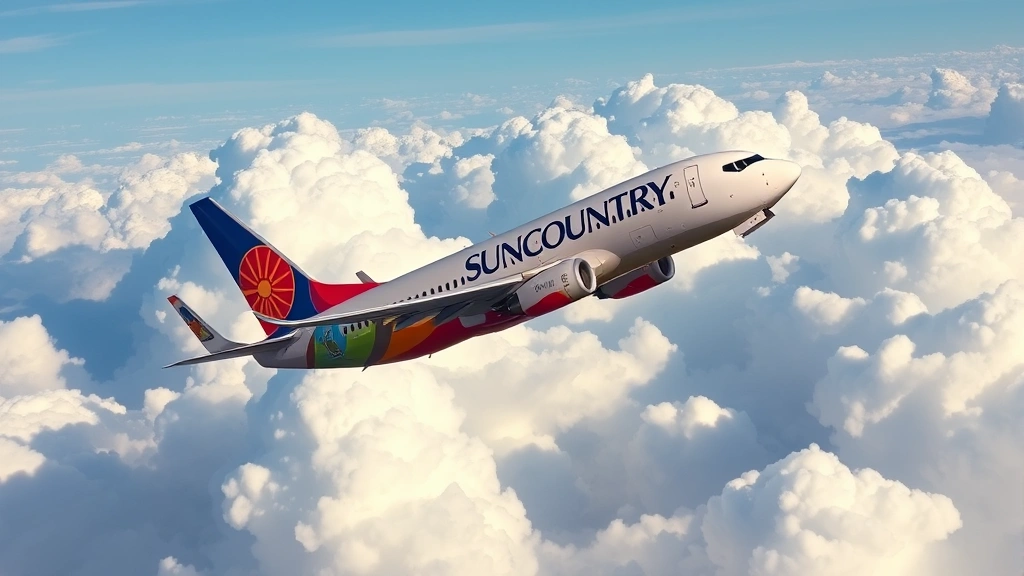
Flight diversions are more common than you might think, affecting carriers of all sizes across the aviation industry. Sun Country Airlines operates a fleet primarily consisting of Boeing 737 and Airbus A320 aircraft, serving destinations throughout North America with a focus on leisure markets and charter operations. When diversions occur, they’re typically the result of circumstances beyond the airline’s control, though understanding these factors can help you appreciate the safety-first mentality that governs modern aviation.
Weather-Related Diversions
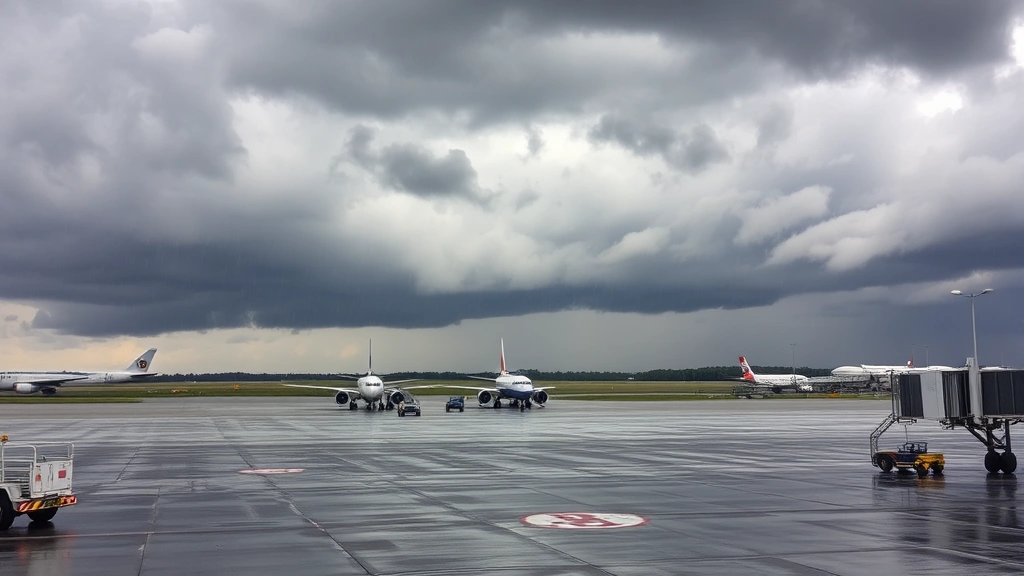
Weather represents the primary reason for Sun Country flight diversions, accounting for the majority of unscheduled landing changes. Thunderstorms, severe wind conditions, low visibility, and winter weather can all necessitate diverting to an alternate airport. Pilots and dispatchers continuously monitor weather forecasts and radar data, making real-time decisions about whether conditions at the destination remain acceptable for safe landing.
When a Sun Country flight approaches its destination and encounters deteriorating weather, the flight crew communicates with air traffic control to assess available options. If visibility drops below minimums, wind speeds exceed aircraft limitations, or severe turbulence is forecasted, diverting to a nearby airport with better conditions becomes the safest choice. This proactive approach, while inconvenient for passengers, prioritizes everyone’s safety over schedule adherence.
Winter weather diversions are particularly common for Sun Country flights heading to northern destinations like Minneapolis, Denver, or Chicago. Heavy snow, ice accumulation, and blizzard conditions can close runways or reduce operational capacity at primary airports. During these periods, flights might divert to secondary airports 50-150 miles away, requiring ground transportation arrangements for passengers to reach their final destinations.
Thunderstorm diversions typically occur during spring and summer months when atmospheric instability increases across Sun Country’s network. Microbursts, hail, and lightning create hazardous conditions that pilots cannot safely navigate, even with modern avionics. The airline’s dispatch team monitors storm development continuously, sometimes making diversion decisions before the aircraft even departs, while other times decisions come during the flight when conditions change unexpectedly.
Mechanical and Technical Issues
While Sun Country Airlines maintains its aircraft to rigorous standards, mechanical issues occasionally necessitate diversions. Engine problems, hydraulic system malfunctions, electrical failures, and pressurization issues can all prompt pilots to land at the nearest suitable airport rather than continuing to the scheduled destination. These diversions prioritize passenger safety and aircraft integrity over schedule compliance.
Modern aircraft like those in Sun Country’s fleet feature redundant systems designed to handle single failures gracefully. However, when multiple systems are affected or when a critical system shows signs of degradation, pilots follow strict procedures requiring immediate landing at the nearest appropriate airport. This conservative approach has made aviation remarkably safe, with mechanical diversions representing a tiny fraction of total operations.
Avionics issues, including navigation system failures or weather radar problems, can also trigger diversions. While these systems typically have backups, certain combinations of failures might make continuing to the destination inadvisable. Pressurization problems, though rare on modern aircraft, warrant immediate descent and landing to prevent passenger discomfort and potential safety risks at altitude.
When comparing Sun Country to best airlines for long flights, mechanical reliability remains comparable across carriers. Sun Country’s maintenance program aligns with industry standards and FAA requirements, ensuring aircraft remain airworthy and safe for passengers.
Air Traffic Control Factors
Air traffic control decisions significantly influence whether Sun Country flights divert. ATC separation requirements, runway capacity constraints, and traffic volume can all necessitate diversions when destination airports become overwhelmed. During peak travel periods or when multiple flights converge on the same airport, ATC might direct aircraft to alternate airports to manage congestion.
Ground stops, implemented when weather or runway conditions limit airport capacity, often trigger cascading diversions. When an airport temporarily closes or restricts operations, flights already airborne must divert to available alternatives. Sun Country flights caught in these situations have no choice but to accept ATC instructions directing them elsewhere, even if that airport is significantly farther from passengers’ final destinations.
Military airspace restrictions and special use airspace occasionally affect routing and can necessitate diversions. When military operations increase or when airspace is restricted for security reasons, standard routing might become unavailable, requiring aircraft to take alternate paths or land at different airports. These diversions are coordinated between ATC and airline dispatch to minimize passenger impact.
Traffic volume at major hubs like Minneapolis-St. Paul International Airport (where Sun Country is based) sometimes exceeds capacity, requiring arriving flights to hold in stacks or divert. During these periods, passengers might experience significant delays as aircraft wait for landing slots or accept diversions to nearby airports like Rochester or Duluth.
Destination Airport Conditions
Runway conditions at destination airports directly impact Sun Country’s diversion decisions. Contaminated runways from snow, ice, standing water, or debris reduce braking effectiveness and increase landing risks. When runway conditions deteriorate beyond acceptable limits, diversions become necessary even if weather at surrounding airports remains acceptable.
Airport infrastructure limitations occasionally trigger diversions. Maintenance on runways or taxiways can reduce available capacity, while equipment failures at destination airports might make them temporarily unavailable. Sun Country dispatch monitors airport status continuously, communicating with ground personnel to understand current conditions and anticipated changes.
Congestion at destination gates and ramps can occasionally necessitate diversions when aircraft cannot be accommodated. While rare, this situation occurs during peak travel periods when multiple carriers experience simultaneous arrivals. Sun Country coordinates with airport operations and ground handling services to minimize these occurrences, but occasionally diverting remains the most practical solution.
When planning travel on Boston to New York flights or other short routes, understanding that destination conditions can change rapidly helps set realistic expectations for arrival times and potential diversions.
Passenger Impact and Rights
Flight diversions create passenger inconvenience ranging from minor delays to significant disruptions requiring ground transportation and overnight accommodations. Understanding your rights during diversions helps you navigate these situations effectively. In the United States, the Department of Transportation (DOT) provides specific guidance on carrier responsibilities during irregular operations including diversions.
When Sun Country diverts a flight, the airline must provide accurate information about the diversion reason, expected duration, and next steps. Passengers are entitled to communication about the situation, whether continuing to the original destination or returning to the departure city. The airline must also provide meals, hotel accommodations (if applicable), and ground transportation for passengers stranded overnight due to diversions.
For international flights operated by Sun Country or codeshare partners, EU261 regulations (if applicable) may entitle passengers to compensation for diversions causing arrival delays exceeding three hours. Understanding these regulations and your specific rights helps you advocate effectively if significant delays result from diversions.
Travel insurance becomes particularly valuable when considering Sun Country’s route network and seasonal operations. Policies covering missed connections and diversions can reimburse expenses incurred due to unscheduled landing changes. This protection proves especially worthwhile when booking airline tickets for important connections or time-sensitive travel.
Prevention and Monitoring
Sun Country Airlines employs sophisticated systems to prevent unnecessary diversions while prioritizing safety. Dispatch teams monitor weather patterns, aircraft maintenance status, and airport conditions continuously. Flight planning incorporates alternate airports into routing, ensuring pilots always have viable options if conditions deteriorate.
Advanced weather radar and satellite imagery allow dispatch personnel to track storm development and advise pilots of optimal routing. Real-time communication between flight crews and ground operations enables quick decision-making when circumstances change unexpectedly. This coordination minimizes diversions while maintaining the safety-first operational philosophy that defines modern aviation.
Predictive maintenance programs help Sun Country prevent mechanical diversions by identifying potential issues before they become critical. Aircraft undergo scheduled maintenance at prescribed intervals, with additional inspections triggered by maintenance logs or performance data. This proactive approach reduces the likelihood of mechanical issues necessitating diversions.
Understanding airline luggage size restrictions and other operational guidelines helps passengers prepare for potential diversions and unexpected changes to their travel plans. Properly packed luggage remains accessible even when flights divert, and knowing restrictions prevents complications during these irregular situations.
Sun Country’s fleet modernization efforts, including newer aircraft with advanced avionics and weather detection systems, continue improving the airline’s ability to anticipate and avoid problematic conditions. These investments benefit passengers through fewer weather-related diversions and more reliable scheduling overall.
Collaboration with the FAA, National Weather Service, and other aviation authorities keeps Sun Country informed about conditions and requirements affecting its operations. Participation in industry working groups and information-sharing initiatives enables the airline to learn from industry-wide experiences and implement best practices reducing diversion frequency.
FAQ
What should I do if my Sun Country flight diverts?
Stay calm and await crew announcements regarding the diversion reason and next steps. Once landed, follow airline staff instructions for hotel accommodations, meal arrangements, and rebooking options. Keep receipts for any expenses incurred, as you may be eligible for reimbursement under DOT regulations or airline policy.
Am I entitled to compensation for a diverted flight?
Compensation eligibility depends on the diversion cause and your flight’s origin and destination. Diversions caused by weather or air traffic control decisions typically don’t trigger compensation, while those resulting from airline operational decisions might. Consult the DOT Fly Rights page for specific guidance applicable to your situation.
How often do Sun Country flights divert?
Diversion frequency varies seasonally, with winter months seeing more weather-related diversions and summer experiencing fewer. Sun Country’s diversion rate aligns with industry averages for carriers operating similar routes and fleet types. Specific statistics are available through FAA databases tracking airline operational performance.
Can I request a refund if my Sun Country flight diverts?
Diversions alone don’t automatically entitle you to refunds, as the flight ultimately reaches a destination (even if not the originally scheduled one). However, if the diversion causes you to miss a connection or if the airline cancels subsequent segments, you may be entitled to refunds or rebooking options under airline policy.
How do pilots decide whether to divert?
Pilots consult with dispatchers and air traffic control when conditions deteriorate. Decision-making incorporates weather forecasts, aircraft fuel reserves, alternate airport availability, and safety considerations. Pilots always prioritize safety over schedule adherence, diverting whenever continuing to the destination presents unacceptable risks.
What alternate airports does Sun Country typically use?
Alternates vary by route, but commonly include nearby airports with suitable runway lengths and adequate ground handling services. For flights heading to Minneapolis-St. Paul, alternates might include Rochester, Duluth, or Des Moines. Sun Country’s dispatch team pre-plans alternates for every flight, ensuring viable options exist regardless of circumstances.
For more information about Sun Country Airlines and its operations, visit the Sun Country Airlines official website. Additional resources include the Federal Aviation Administration for safety and operational standards, and the National Weather Service for understanding weather impacts on aviation. For passenger rights information, the DOT Air Consumer Protection page provides comprehensive guidance, while the International Civil Aviation Organization establishes global aviation standards.
Understanding why Sun Country flights divert removes mystery from these operational decisions and helps you appreciate the safety systems protecting aviation. Whether caused by weather, mechanical issues, or air traffic control factors, diversions represent aviation’s commitment to prioritizing passenger safety above schedule convenience. By staying informed and knowing your passenger rights, you can navigate diversions confidently and focus on reaching your destination safely.