Santa Fe Flights: Best Deals & Expert Advice for Your Southwest Adventure
Santa Fe, New Mexico’s enchanting capital, attracts travelers worldwide with its distinctive adobe architecture, vibrant art scene, and rich cultural heritage. Finding affordable flights to Santa Fe requires strategy, timing, and knowledge of regional travel patterns. This comprehensive guide reveals insider secrets to securing the best deals while maximizing your travel experience to this magical destination perched at 7,000 feet above sea level.
Whether you’re planning a weekend getaway or an extended cultural immersion, understanding Santa Fe’s unique airport dynamics and booking strategies can save you hundreds of dollars. Santa Fe Regional Airport (SAF) serves as the primary gateway, though many savvy travelers consider alternative airports within the region. We’ll explore everything from optimal booking windows to airline partnerships that can transform your travel budget.
Understanding Santa Fe Regional Airport
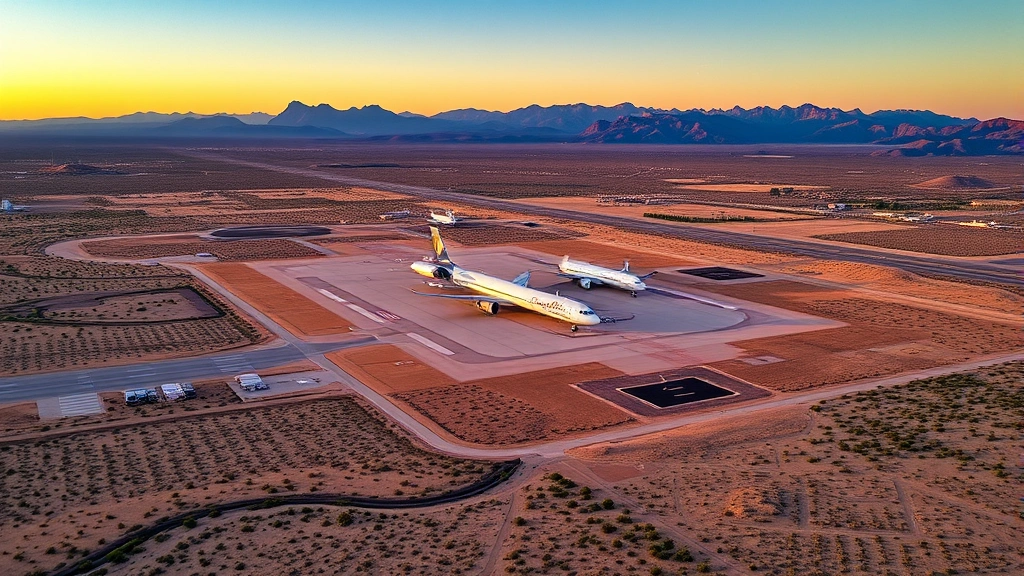
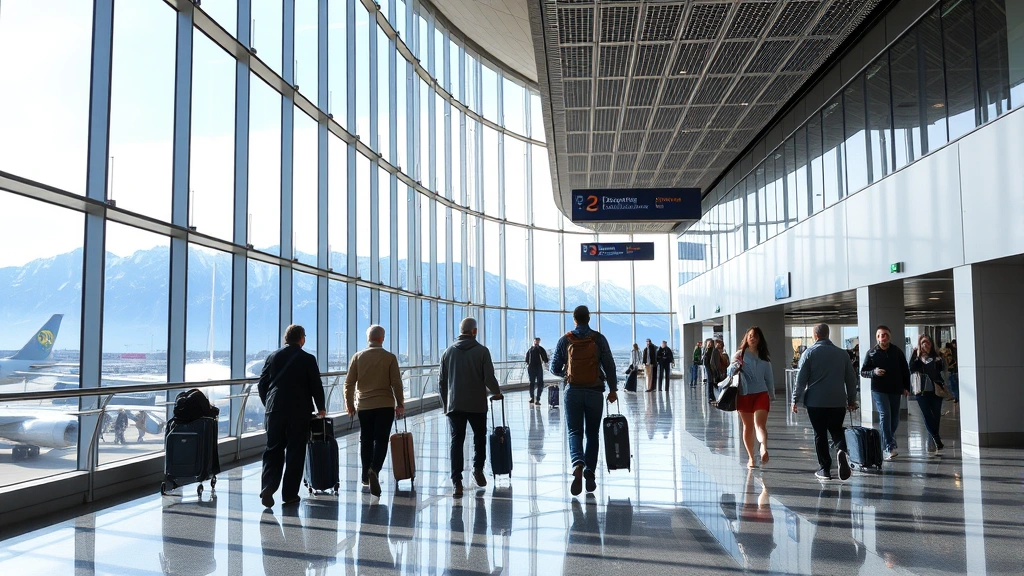
Santa Fe Regional Airport (SAF) is a smaller, regional facility that handles approximately 200,000 passengers annually. Unlike major hub airports, SAF offers a more relaxed travel experience with shorter security lines and minimal congestion. However, this smaller size means fewer direct flight options and potentially higher per-ticket costs compared to flying into larger regional hubs.
The airport sits just 10 miles south of downtown Santa Fe, making ground transportation convenient and affordable. Most flights require at least one connection, typically through major hubs like Dallas/Fort Worth, Denver, or Phoenix. Understanding these routing patterns helps you anticipate pricing and schedule options.
Direct flights from major metropolitan areas are limited primarily to connections through Southwest Airlines’ hub in Denver (DEN) and Dallas Love Field (DAL). If you’re exploring flights from major cities like Atlanta, you’ll likely connect through one of these primary hubs. The airport’s limited international service means most international travelers connect domestically before reaching Santa Fe.

Best Times to Book Flights
Booking timing dramatically impacts ticket prices for Santa Fe flights. Industry data reveals that booking 3-6 weeks in advance typically yields the best rates for domestic travel to Santa Fe. This window provides sufficient advance notice for airlines while avoiding last-minute premium pricing.
Specific booking patterns show Tuesday and Wednesday departures consistently offer lower fares than Friday through Sunday flights. Morning and early afternoon departures also tend to be cheaper than evening flights. The best times to book airline tickets extends beyond mere day selection—it encompasses understanding airline yield management strategies.
For Santa Fe specifically, avoid booking during peak season weekends (May-October) on short notice. If traveling during these periods, book at least 6-8 weeks ahead. Winter travel (December-February) offers better last-minute deals, though weather considerations may apply to mountain region travel.
Price tracking for at least 2-3 weeks before booking reveals seasonal patterns and airline-specific promotions. Setting up flight alerts through major booking platforms helps you identify price drops and special offers automatically.
Airline Options & Partnerships
Southwest Airlines dominates Santa Fe service, operating the majority of connections through Denver and Dallas hubs. As a frequent flyer, understanding the best airlines for frequent flyers helps you accumulate benefits across multiple trips. Southwest’s two free checked bags policy and generous frequent flyer program make it particularly attractive for Santa Fe travelers.
United Airlines provides alternative routing through Denver, while American Airlines offers Dallas connections. Delta operates limited seasonal service, primarily during peak tourist months. Each airline’s partnership network affects available connecting flights and loyalty program benefits.
Purchasing Southwest points during promotional periods can reduce effective ticket costs by 20-30%. Their “Companion Pass” promotion occasionally becomes available, potentially doubling your travel value. Monitoring SkyVoyage Hub Blog for airline promotions ensures you don’t miss these opportunities.
Cross-airline partnerships mean booking through partner airlines sometimes yields better fares. Alaska Airlines’ partnership with Delta, for example, occasionally provides competitive pricing on Santa Fe routes. Comparing directly on airline websites versus third-party booking platforms sometimes reveals exclusive fares.
Money-Saving Strategies
Flexible travel dates represent the most powerful money-saving tool for Santa Fe flights. Flying mid-week instead of weekend dates can save $100-300 per ticket. If your schedule permits, departing Tuesday or Wednesday and returning Thursday or Monday maximizes savings.
Connecting through Denver rather than Dallas sometimes offers better pricing, though flight duration increases slightly. The 90-minute Denver connection versus 2-hour Dallas connection affects overall travel time differently. Evaluating both routing options ensures optimal value.
Budget airline options like Frontier and Spirit occasionally serve Santa Fe through partner connections, though their baggage fees and seat restrictions may offset apparent savings. Southwest’s included baggage makes it genuinely cheaper despite higher base fares.
Booking round-trip flights typically costs less than separate one-way tickets. If your plans remain flexible, purchasing round-trip tickets even with unused return segments sometimes undercuts one-way pricing. This strategy requires checking airline policies regarding name changes and refunds.
Bundling flights with hotel accommodations through package deals offered by major online travel agencies frequently delivers 15-25% savings. These packages lock in rates and simplify planning, particularly valuable during peak seasons.
Consider flying into Albuquerque International (ABQ), 65 miles south of Santa Fe, for potential savings. The larger airport offers more flight options and competitive pricing. While ground transportation costs approximately $60-100, the flight savings often exceed this expense. A scenic 90-minute drive through New Mexico’s landscape complements the overall travel experience.
Alternative Airport Routes
Albuquerque International Airport (ABQ) represents the primary alternative to Santa Fe Regional Airport. Significantly larger with major airline competition, ABQ frequently offers flights $50-200 cheaper than SAF. Multiple airlines including Southwest, United, American, Delta, Frontier, and Spirit serve ABQ with greater frequency and routing options.
Denver International Airport (DEN), 300 miles north, occasionally provides better pricing for specific routes. If flying from the East Coast or Midwest, Denver’s major hub status sometimes yields cheaper connections than routing through Santa Fe’s regional airport. The 5-hour drive to Santa Fe is manageable as a road trip option.
El Paso International (ELP), 300 miles south, serves as another alternative, though it’s less convenient geographically. This option works primarily for travelers combining Santa Fe with Big Bend National Park or El Paso city exploration.
The cost-benefit analysis of alternative airports depends on your origin city, travel dates, and flexibility. For West Coast travelers, ABQ’s proximity to Santa Fe makes it almost always superior to flying into SAF. East Coast travelers may find Denver connections more economical despite additional ground transportation.
Seasonal Travel Patterns
Santa Fe experiences distinct seasonal pricing cycles driven by tourism patterns and weather. High season (May-October) features peak demand, higher flight prices, and full aircraft. This period encompasses summer vacation travel, outdoor activity season, and the famous Santa Fe Indian Market (August).
Shoulder season (April-May and September-October) offers moderate pricing with pleasant weather. Spring brings wildflower blooms and comfortable temperatures, while fall features stunning foliage and the Santa Fe Plaza art festivals. These periods represent excellent value with fewer crowds than peak summer.
Low season (November-March) delivers the cheapest flights, though winter weather considerations apply. December holidays see increased prices, but January-February offers steep discounts. Winter activities include skiing at nearby Ski Santa Fe and holiday celebrations through early January.
Understanding these patterns allows strategic scheduling. Flying to Santa Fe in early September costs 30-40% less than August while offering similar weather and fewer tourists. January travel provides exceptional deals and a different Santa Fe experience focused on local culture rather than tourism.
Flight Comparison Tools
Google Flights, Kayak, and Skyscanner provide comprehensive flight comparison across multiple airlines and booking platforms. These tools allow flexible date searching, price tracking, and route customization. Setting up price alerts triggers notifications when fares drop on your preferred routes.
Airline websites themselves sometimes offer lower prices than third-party aggregators, particularly for Southwest, which doesn’t distribute inventory through all booking platforms. Comparing directly on Southwest.com versus Google Flights occasionally reveals $20-50 differences.
Incognito browsing prevents cookies from tracking your searches and potentially inflating prices. Clearing cookies between searches ensures you’re seeing true pricing rather than algorithm-adjusted rates based on previous searches.
Matrix pricing tools on airline websites allow flexible date grids showing fares across entire months. This visualization helps identify the absolute cheapest travel dates without searching individually. Most major airlines offer this feature directly on their websites.
Utilizing flight comparison across multiple tools—checking Google Flights, directly on airline websites, and specialized booking platforms—ensures comprehensive pricing research. Spending 15-20 minutes comparing options regularly saves $100+ per ticket.
Ground Transportation & Airport Access
Once you arrive at your chosen airport, ground transportation significantly affects total trip cost. Santa Fe Regional Airport offers rental cars, rideshare services, and shuttles. The airport’s small size means less competition and potentially higher ground transportation costs compared to major hubs.
Advance car rental bookings typically cost 20-30% less than walk-up rates. If driving to Santa Fe, consider renting through Autoslash.com, which searches multiple agencies and frequently identifies the cheapest rates.
Rideshare services like Uber and Lyft operate in Santa Fe, with typical SAF airport rides costing $25-40. During peak hours or bad weather, surge pricing can double these costs. Scheduling rideshare in advance through airport pickup areas often provides better rates than hailing in real-time.
Shared shuttle services like Sandia Shuttle operate between Albuquerque and Santa Fe for approximately $60 per person. This option works well for budget-conscious solo travelers or small groups. Advance reservations ensure availability during peak travel periods.
Travel Insurance & Protection
Understanding airline flight delay compensation protects your investment in Santa Fe travel. Trip insurance covering flight cancellations, delays, and medical emergencies typically costs $50-150 per person depending on trip cost and coverage level.
EU regulations guarantee passenger compensation for flight delays exceeding 3 hours, while US regulations remain less consumer-friendly. Purchasing travel insurance ensures protection regardless of airline responsibility for delays.
Credit card benefits sometimes include trip cancellation and delay protection. Checking your card’s travel benefits before purchasing separate insurance prevents duplicate coverage and unnecessary expenses.
Santa Fe Experience Planning
Once you’ve secured affordable flights to Santa Fe, planning your ground experience maximizes the trip’s value. Santa Fe’s official tourism website provides comprehensive information on attractions, accommodations, and seasonal events.
The city’s walkable downtown plaza features galleries, restaurants, and shops within easy strolling distance. Many museums and cultural attractions offer discounted admission during specific hours or days. Planning museum visits strategically extends your cultural experience budget.
Day trips to nearby attractions like Bandelier National Monument (45 minutes), Kasha-Katuwe Tent Rocks National Monument (60 minutes), and Los Alamos (30 minutes) provide diverse experiences. These destinations require vehicles, making car rental a worthwhile investment despite added expense.
Dining in Santa Fe ranges from casual local taquerias to upscale restaurants. Budget travelers find excellent value in local favorites offering authentic New Mexican cuisine at reasonable prices. The city’s culinary scene reflects both traditional and contemporary influences.
FAQ
What’s the cheapest month to fly to Santa Fe?
January and February offer the cheapest flights, typically 30-40% below peak season prices. These winter months provide excellent value, though weather considerations apply. December holidays see higher prices, but post-holiday January offers exceptional deals with pleasant winter weather and fewer tourists.
Should I fly into Santa Fe or Albuquerque?
For most travelers, Albuquerque International (ABQ) offers better value despite additional ground transportation. The larger airport’s competitive airline presence typically results in $100-200 cheaper flights than Santa Fe Regional (SAF). The 90-minute drive to Santa Fe is manageable and often saves money overall.
How far in advance should I book flights to Santa Fe?
Book 3-6 weeks in advance for optimal pricing. For peak season travel (May-October), extend this to 6-8 weeks. Last-minute bookings within 1-2 weeks cost significantly more unless airlines offer flash sales or promotional pricing.
Are direct flights available to Santa Fe?
Direct flights to Santa Fe Regional Airport are limited. Most connections route through Denver (DEN) or Dallas/Fort Worth (DFW). Few airlines offer true nonstop service due to the airport’s smaller size and limited demand from major markets.
What’s included in Santa Fe flight prices?
Southwest Airlines includes two free checked bags and carry-on luggage. United, American, and Delta typically charge $30-40 for first checked bags. Budget airlines like Frontier and Spirit charge separately for both carry-on and checked luggage, potentially making their lower base fares more expensive overall.
Can I find flight deals during holidays?
Holiday periods (Thanksgiving, Christmas, New Year’s) command premium prices due to increased demand. However, traveling during the actual holidays often costs less than the surrounding days. Flying on Christmas Day or New Year’s Day yields better prices than December 20-24 or December 26-31.
Do airline frequent flyer programs help with Santa Fe flights?
Yes, accumulated miles can significantly reduce or eliminate ticket costs. Southwest’s frequent flyer program particularly rewards Santa Fe travel through Denver and Dallas hubs. Building miles through credit card bonuses and regular travel pays dividends on future trips.