Hawaii to Japan Flight Time? Expert Insights
Flying from Hawaii to Japan represents one of the most popular transpacific routes for travelers seeking cultural immersion, business opportunities, and unforgettable island experiences. Understanding the flight duration, layover patterns, and optimal travel strategies is essential for planning your journey across the Pacific Ocean. This comprehensive guide breaks down everything you need to know about Hawaii to Japan flight times, including direct flight options, connecting routes, and practical tips to maximize your travel experience.
The distance between Honolulu International Airport (HNL) and major Japanese hubs like Narita International Airport (NRT) in Tokyo spans approximately 3,800 miles. Flight times typically range from 7 to 9 hours for direct flights, though several factors influence the actual duration you’ll experience. Wind patterns, flight routing, aircraft type, and seasonal variations all play significant roles in determining your total travel time across the Pacific.
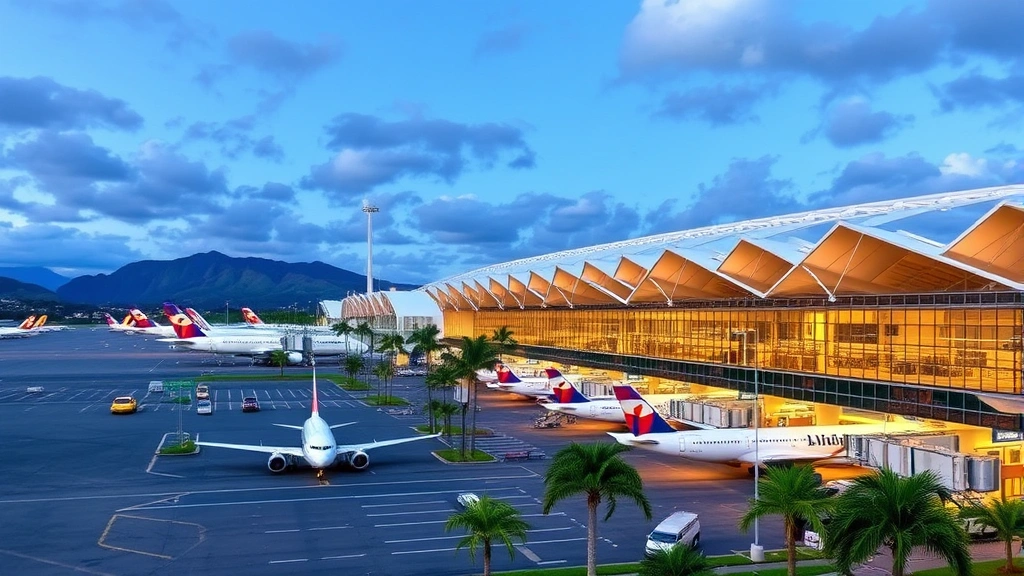
Direct Flight Duration from Hawaii to Japan
Direct flights from Honolulu to Tokyo typically take approximately 7.5 to 8.5 hours of actual flight time. However, the total travel duration from your departure at Honolulu International Airport to arrival at Narita or Haneda Airport usually extends to 8 to 9 hours when accounting for taxi time, takeoff procedures, and landing sequences. Most major carriers operate this route with modern wide-body aircraft optimized for long-distance transpacific travel.
The westbound journey from Hawaii to Japan benefits from favorable jet streams during certain seasons, occasionally reducing flight times to the lower end of this spectrum. Conversely, eastbound return flights may experience stronger headwinds, potentially extending flight duration by 30 minutes to an hour compared to westbound journeys. Real-time flight tracking services provide accurate estimates for your specific travel dates.
Several Japanese carriers including All Nippon Airways (ANA) and Japan Airlines operate regular services on this route, maintaining modern fleets with excellent safety records and passenger amenities. American carriers like Hawaiian Airlines and United also provide frequent connections, often featuring competitive pricing and convenient scheduling from Honolulu.
Popular Airlines and Routes
When considering your Hawaii to Japan journey, several airlines dominate this transpacific corridor with multiple daily departures. Hawaiian Airlines offers the most frequent connections, leveraging Honolulu’s geographic advantage as a Pacific hub. Their fleet of Boeing 787 Dreamliners provides superior comfort for the 8-hour journey, featuring lie-flat business class seating and advanced cabin pressure systems that reduce fatigue.
United Airlines operates daily service from Honolulu to Tokyo Narita and Tokyo Haneda, providing seamless connections to their broader North American network. These flights often serve as convenient options for mainland U.S. travelers connecting through Hawaii. For budget-conscious passengers, understanding the best times to book airline tickets can yield significant savings on these premium transpacific routes.
Japanese carriers provide authentic service experiences with traditional hospitality standards. All Nippon Airways and Japan Airlines both offer competitive pricing, especially for passengers booking through their official websites. These airlines frequently provide superior meal quality, entertainment selections featuring Japanese content, and cabin crew fluent in both English and Japanese.
Direct flight options from Honolulu include routes to:
- Tokyo Haneda (HND) – Japan’s primary international hub with 7.5-8 hour flight times
- Tokyo Narita (NRT) – Secondary Tokyo airport with similar flight durations
- Osaka Kansai (KIX) – Western Japan gateway with approximately 8-9 hour flight times
- Fukuoka (FUK) – Southern Japan destination with longer flight durations
Selecting your destination airport significantly impacts ground transportation costs and convenience. Tokyo Haneda offers superior accessibility to central Tokyo with modern rail connections, while Narita requires extended airport transfers. Consider your final destination when choosing your arrival airport.
Frequent flyers should review the best airlines for frequent flyers to maximize loyalty benefits on this popular route. Many carriers offer generous mileage accumulation on transpacific flights, with premium cabin bookings earning significantly more points toward future upgrades and complimentary tickets.
Connecting Flights and Layover Options
While direct flights provide the most efficient routing, connecting options exist for travelers seeking alternative scheduling or lower fares. Common connection points include major Pacific hubs like Tokyo itself, where you might connect through Haneda to reach regional Japanese destinations. Some itineraries route through Osaka or Nagoya for western Japan access.
Connecting flights typically extend total travel time to 12 to 16 hours depending on layover duration. A 2 to 4-hour layover provides sufficient time for customs clearance and baggage reclaim in Japan, though international connections sometimes require longer intervals. Overnight layovers present opportunities to explore Japanese cities before continuing your journey, transforming your connection into an impromptu sightseeing experience.
Budget airlines occasionally offer connections through Asian hubs like Seoul or Bangkok, substantially reducing ticket prices while extending travel time to 14 to 18 hours. These options appeal to flexible travelers prioritizing cost savings over convenience. However, the additional stress and potential flight disruptions sometimes outweigh monetary savings on transpacific routes.
Airlines offering connecting services through Japan include regional carriers and international partners. Star Alliance members benefit from integrated itineraries combining Hawaiian Airlines, United, and All Nippon Airways, with through-checked baggage simplifying the connection process. Understanding airline luggage size restrictions becomes particularly important when connecting internationally, as Japanese carriers maintain specific baggage allowances.
Factors Affecting Flight Times
Multiple variables influence the actual duration of your Hawaii to Japan flight, extending beyond simple distance calculations. Jet stream positioning represents the most significant meteorological factor, with westbound flights benefiting from the subtropical jet stream that can reduce flight times by 15 to 30 minutes. Eastbound return flights encounter headwinds that may increase duration similarly.
Seasonal patterns affect jet stream intensity, with stronger currents during winter months (November through March) providing maximum time savings on westbound journeys. Summer travel (June through August) experiences weaker jet streams, resulting in more consistent flight times regardless of direction. Experienced flight planners consider these seasonal variations when scheduling transpacific travel.
Aircraft type significantly impacts flight efficiency and comfort. Modern Boeing 787 Dreamliners and Airbus A350 aircraft cruise at optimal speeds while consuming less fuel, occasionally enabling slightly faster schedules than older wide-body jets. These aircraft also feature enhanced cabin pressure and humidity systems that reduce jet lag symptoms during long-haul flight.
Air traffic control routing introduces variable delays, particularly near congested Pacific corridors and Japanese airspace. Flights departing during peak hours may experience holding patterns or extended taxi times, adding 15 to 30 minutes to total journey duration. Early morning departures from Honolulu often experience smoother traffic flows and faster ground operations.
Weather conditions along the Pacific route occasionally necessitate altitude adjustments or minor routing deviations that extend flight times marginally. Tropical storm systems during Pacific typhoon season (June through November) may force flights around weather systems, though modern aircraft and routing technology minimize these impacts.
Jet Lag and Time Zone Considerations
Flying westbound from Hawaii to Japan crosses multiple time zones, with Japan typically 19 hours ahead of Hawaiian Standard Time. This significant time differential creates substantial jet lag for many travelers, though westbound journeys generally cause less severe disruption than eastbound return flights. Understanding circadian rhythm adjustments helps optimize your recovery timeline.
Arriving in Japan in the evening (Hawaii morning departure) allows immediate rest accommodation, facilitating faster adjustment to local time. Your body naturally aligns with darkness signals, promoting sleep onset and accelerating circadian adaptation. Conversely, morning arrivals require fighting daytime alertness while your body expects nighttime, extending adjustment periods to 3 to 5 days.
Strategic sleep management during flight enhances jet lag recovery. Essential tips for long-haul flights include gradually shifting your sleep schedule several days before departure, staying hydrated throughout the flight, and limiting alcohol consumption that disrupts sleep quality. Many experienced travelers use melatonin supplements or prescription sleep aids to facilitate timely rest during the 8-hour journey.
Light exposure timing dramatically influences circadian adjustment speed. Seeking bright sunlight immediately upon Japan arrival promotes rapid adaptation, while avoiding bright light during your first evening accelerates melatonin production and nighttime sleep. Most travelers adapt fully within 2 to 3 days following these light exposure strategies.
Business travelers prioritizing immediate productivity may benefit from premium cabin bookings offering lie-flat seats, superior sleep environments, and enhanced meal timing aligned with destination schedules. The investment in business class often returns itself through improved performance during critical business meetings following arrival.
Booking Tips for Hawaii-Japan Flights
Securing optimal fares requires understanding seasonal pricing patterns and advance booking windows. Hawaii to Japan routes experience peak pricing during summer months (June through August) and winter holiday periods (December through January), with fares frequently reaching premium levels. Spring (March through May) and fall (September through November) typically offer superior value while maintaining pleasant weather in Japan.
Booking your Hawaii to Japan flight 6 to 8 weeks in advance typically yields the best available fares, with prices increasing substantially as departure dates approach. Flash sales and promotional offers occasionally appear 3 to 4 weeks before departure, providing opportunities for flexible travelers. Setting up price alerts through major booking platforms enables immediate notification when fares drop significantly.
Comparing fares across Japanese carriers, American airlines, and online travel agencies reveals substantial price variations. Japanese airline official websites sometimes offer lower fares than international booking platforms due to different pricing strategies and promotional structures. Checking travel blog resources for current promotions and flash sales provides real-time booking intelligence.
Frequent flyer program membership offers exceptional value on transpacific routes. Business class awards typically require 60,000 to 85,000 miles depending on the carrier, while premium economy awards range from 40,000 to 55,000 miles. Accumulating miles through credit card sign-up bonuses often enables award bookings at minimal personal cost.
Flexibility with dates yields substantial savings, sometimes exceeding $300 to $500 per ticket on this premium route. Flying midweek (Tuesday through Thursday) typically costs significantly less than weekend departures. Tuesday and Wednesday departures from Honolulu frequently feature the lowest fares due to reduced leisure travel demand.
Onboard Comfort for Long-Haul Travel
The 8-hour flight duration from Hawaii to Japan justifies premium seating investments for many travelers. Business class seats on modern aircraft feature direct-aisle access, lie-flat sleeping surfaces, and privacy dividers creating suite-like environments. These premium cabins include gourmet meal service, premium beverage selections, and priority boarding that streamlines airport procedures.
Premium economy seating offers a substantial comfort upgrade from economy class at approximately 40-60% of business class pricing. These enhanced cabins feature wider seats (21-22 inches versus 17-18 inches), increased recline angles (7-8 inches versus 6-7 inches), and priority meal service. For cost-conscious travelers valuing comfort, premium economy represents an excellent compromise for 8-hour transpacific journeys.
Economy class passengers should prioritize seat selection, requesting aisle seats for easier bathroom access and window seats for comfortable sleeping against the fuselage. Bulkhead seats offer additional legroom, though some travelers find the proximity to galley activity disruptive. Seat assignment during booking typically costs $15 to $35, representing excellent value for long-haul comfort.
Bring compression socks, neck pillows, and eye masks to enhance sleep quality and reduce deep vein thrombosis risk during extended flights. Standing and walking the cabin every 2 to 3 hours promotes circulation and reduces blood clot formation risk. Light stretching exercises and ankle rotations in your seat maintain muscle engagement throughout the flight.
In-flight entertainment systems on modern aircraft serving the Hawaii-Japan route feature thousands of movies, television episodes, and music selections. Downloaded content on personal devices provides backup entertainment options, particularly valuable for passengers experiencing system technical difficulties. Noise-canceling headphones significantly enhance the entertainment experience while reducing cabin noise exposure.
Seasonal Variations and Weather Impact
Japan’s distinct seasons create variable travel experiences, with each season presenting unique advantages and challenges. Spring (March through May) and fall (September through November) offer optimal weather conditions with mild temperatures and lower typhoon risks. These seasons also feature spectacular scenery—cherry blossoms in spring and autumn foliage in fall—attracting substantial tourist populations and potentially increasing accommodation costs.
Summer travel (June through August) experiences higher temperatures and humidity, with typhoon season beginning in late June. While flights operate normally during typhoon season, occasional routing adjustments may extend flight times marginally. Summer represents peak travel season for school vacation periods, resulting in higher fares and crowded attractions.
Winter travel (December through January) features cool, dry weather ideal for sightseeing, though holiday periods command premium pricing. Late January through February offers excellent value with reduced tourist crowds and pleasant weather conditions. Snow is common in northern Japan (Hokkaido) but rare in major cities like Tokyo and Osaka.
Pacific typhoon season (June through November) occasionally affects flight scheduling, though modern aircraft navigate weather systems safely. Airlines monitor weather patterns continuously, adjusting routes to avoid severe conditions while maintaining schedule reliability. Travelers during typhoon season should expect potential minor delays but rarely experience cancellations on major transpacific routes.
FAQ
How long is the actual flight time from Hawaii to Japan?
Direct flights from Honolulu to Tokyo typically require 7.5 to 8.5 hours of actual flight time. Total journey time from airport departure to arrival usually spans 8 to 9 hours when accounting for taxi, takeoff, and landing procedures. Westbound flights occasionally experience slightly shorter durations due to favorable jet streams.
Which airlines offer the best service on Hawaii-Japan routes?
All Nippon Airways, Japan Airlines, Hawaiian Airlines, and United Airlines all provide excellent service on this route. Hawaiian Airlines offers the most frequent connections with modern Boeing 787 aircraft, while Japanese carriers provide authentic hospitality and superior meal quality. Your choice should align with preferred loyalty programs and seat configurations.
Are there direct flights from Hawaii to all major Japanese cities?
Direct flights from Honolulu primarily serve Tokyo Haneda and Narita airports. Limited direct service exists to Osaka (Kansai) and Fukuoka, though most connections to western Japan require transiting through Tokyo. Checking with airlines directly reveals current routing options for your specific destination.
What is the best time to book a Hawaii-Japan flight?
Booking 6 to 8 weeks in advance typically yields optimal fares. Avoiding peak summer (June-August) and winter holiday (December-January) travel periods provides superior pricing. Midweek departures (Tuesday-Thursday) cost significantly less than weekend flights on this premium transpacific route.
How severe is jet lag when traveling from Hawaii to Japan?
Westbound travel to Japan typically causes mild to moderate jet lag, with most travelers adapting within 2 to 3 days. Evening arrivals facilitate faster adjustment by aligning with natural sleep cycles. Strategic light exposure, hydration, and melatonin supplementation significantly accelerate circadian rhythm adjustment.
Should I book business class for Hawaii-Japan flights?
Business class investments depend on personal budget and travel priorities. For business travelers requiring immediate productivity, lie-flat seats and superior rest environments justify premium pricing. Leisure travelers may find premium economy offering superior value, providing meaningful comfort improvements at approximately half of business class costs.
What baggage allowances apply on Hawaii-Japan routes?
Most carriers permit 2 checked bags (up to 50 pounds each) and one carry-on bag plus personal item for economy passengers. Business and premium economy passengers typically receive additional baggage allowances. Japanese carriers sometimes maintain slightly different policies, so confirming with your specific airline ensures accurate packing planning.