How Long Is a Flight to Japan? Expert Insights on Duration, Routes & Planning
Planning a trip to Japan? One of the first questions travelers ask is: how long is a flight to Japan? The answer depends on several factors including your departure city, airline choice, and whether you’re taking a direct flight or connecting through another hub. For most travelers from North America, expect flight times ranging from 11 to 17 hours, though this can vary significantly based on your specific route and layover arrangements.
Understanding flight duration to Japan is crucial for planning your itinerary, managing jet lag, and budgeting your travel time effectively. Whether you’re heading to Tokyo, Osaka, or another Japanese destination, this comprehensive guide will break down everything you need to know about flight times, optimal routing, and what to expect during your journey across the Pacific.
Flight Duration from Major US Cities
Flight times to Japan vary considerably depending on your departure city. From New York (JFK), direct flights to Tokyo typically take approximately 13.5 to 14 hours. This is one of the longer domestic-to-international routes, but it’s generally the most direct option from the East Coast.
From Los Angeles (LAX), you’re looking at roughly 11 to 12 hours of flight time to Tokyo. As the westernmost major US city, LA offers a significant advantage in terms of flight duration compared to East Coast departures. This shorter flight time makes LAX a popular hub for connecting passengers heading to Japan.
From Chicago (ORD), expect approximately 13.5 to 14.5 hours to reach Tokyo. Midwest travelers often find that flying through LA or San Francisco provides better connections, though this adds to total travel time with layovers.
From Seattle (SEA), flights to Tokyo typically take 10.5 to 11.5 hours, making it one of the shortest routes. Seattle’s proximity to the Pacific and established routes with carriers like ANA (All Nippon Airways) make it an excellent departure point for Japan-bound travelers.
From San Francisco (SFO), direct flights average 11 to 12 hours to Tokyo or Osaka. San Francisco is a major hub for transpacific flights, offering numerous daily departures and competitive fares.
Keep in mind these times represent actual flight duration only—they don’t include airport procedures, boarding, taxiing, or potential delays. Total travel time from leaving home to arriving at your destination in Japan will be considerably longer when you factor in these variables.
Direct vs. Connecting Flights
The choice between direct and connecting flights significantly impacts your total travel time to Japan. Direct flights are available from most major US cities to primary Japanese airports, particularly Tokyo’s Narita (NRT) and Haneda (HND), as well as Osaka’s Kansai (KIX). While direct flights involve longer hours in the air, they eliminate layover time and the stress of changing planes.
If you’re considering connecting flights, you might find cheaper fares, but total travel time often increases by 3 to 8 hours depending on your layover duration. Common connection hubs include:
- San Francisco – Popular for West Coast connections
- Los Angeles – Offers multiple daily connecting options
- Seattle – Efficient hub with good international connections
- Honolulu – Provides a Pacific break point for some carriers
- Asian hubs – Seoul (Incheon), Bangkok, or Shanghai for budget-conscious travelers
Connecting through Asian hubs can sometimes offer cheaper fares, but you’ll add 2 to 6 hours to your journey. The savings might be worthwhile if you’re flexible with your schedule, but for most travelers, direct flights remain the preferred option despite potentially higher costs.
When booking, compare the total elapsed time (departure to arrival), not just flight duration. A 12-hour direct flight might be faster overall than a 10-hour flight with a 4-hour connection, especially when you factor in airport procedures and potential delays.
Factors Affecting Flight Time
Several variables influence how long your flight to Japan will actually take:
Jet streams and wind patterns significantly impact flight duration. Westbound flights (US to Japan) typically take longer because they fly against the jet stream, while eastbound return flights benefit from tailwinds and are usually 1-2 hours shorter. This is why your return flight home feels quicker!
Seasonal variations also play a role. Winter months often see stronger jet streams, potentially adding time to westbound flights. Summer months generally offer more consistent flight times with less extreme wind patterns.
Specific routing matters too. Some flights take slightly different paths across the Pacific based on weather, air traffic control directives, and fuel optimization. These variations might add or subtract 30 minutes to an hour from your journey.
Aircraft type influences both speed and efficiency. Modern aircraft like the Boeing 787 Dreamliner and Airbus A350 are faster and more fuel-efficient than older models, potentially shaving time off your journey. The Boeing 787 has become increasingly popular on transpacific routes to Japan.
Airport congestion at your departure and arrival points can extend total travel time. Tokyo’s Haneda Airport, while modern and efficient, can still experience delays during peak travel seasons. Planning to arrive early and accounting for potential ground delays is wise.
Time zone differences don’t affect flight duration, but they significantly impact how your journey feels. Japan is 13-17 hours ahead of US time zones, meaning you can arrive in Japan the next day despite flying westward overnight.
Best Airlines for Japan Routes
Selecting the right airline can enhance your long-haul experience to Japan. When researching best airlines for frequent flyers, consider carriers with strong transpacific service records.
ANA (All Nippon Airways) dominates the US-Japan market with excellent service, modern aircraft, and numerous daily departures. They consistently rank among the world’s best airlines and offer competitive fares on routes from major US cities.
Japan Airlines (JAL) provides premium service with a focus on Japanese hospitality. While sometimes pricier than competitors, their route network and onboard experience appeal to many travelers.
United Airlines operates extensive transpacific service to Japan with multiple daily flights from US hubs. As a major carrier, they offer flexibility in scheduling and frequent flyer benefits.
American Airlines provides competitive service on Japan routes, particularly from Dallas and other major hubs, with decent pricing and reasonable service standards.
Delta Air Lines operates select flights to Japan, primarily from Detroit and Atlanta, offering their SkyMiles program benefits for frequent travelers.
Budget-conscious travelers might consider connecting through Asian carriers like Korean Air or Singapore Airlines, though this typically adds several hours to your journey. Before booking, review the best times to book airline tickets to maximize savings on these long-haul routes.
Managing Long-Haul Travel
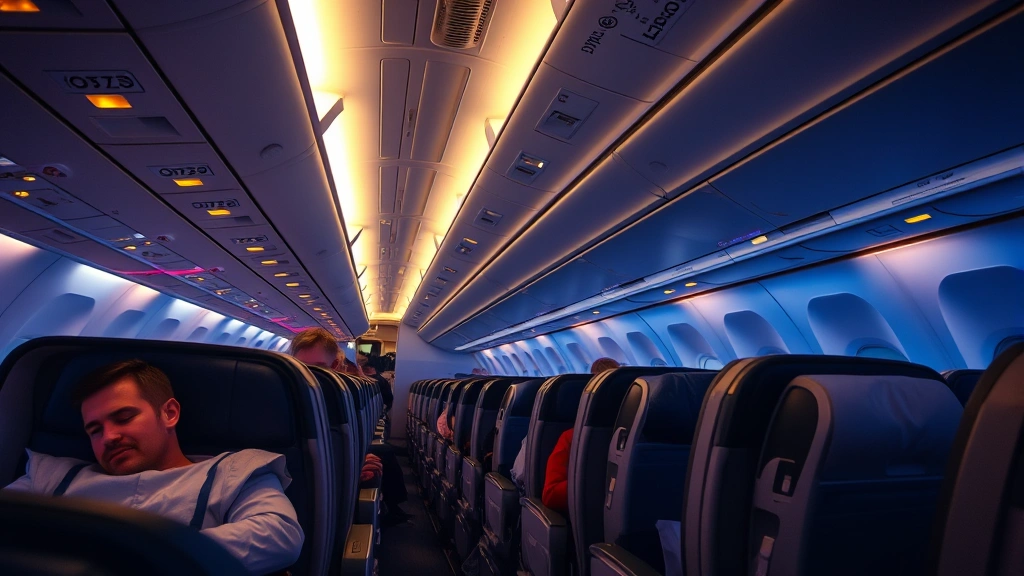
Flying 11-17 hours to Japan requires strategic planning to arrive refreshed and ready to explore. Seat selection matters tremendously on long flights. Window seats offer the advantage of leaning against the fuselage for sleep, while aisle seats provide easier bathroom and movement access. Middle seats are generally the least desirable for extended flights.
Cabin class considerations become important on flights exceeding 12 hours. Business class offers lie-flat beds and superior service, making the long flight more comfortable but at premium prices. Premium economy provides a middle ground with extra legroom and better amenities than economy. Standard economy can feel cramped on flights this long, though modern aircraft like the 787 offer improved cabin pressure and humidity that many travelers find less fatiguing.
Pre-flight preparation sets the tone for your journey. Stay hydrated in the days before departure, get adequate sleep, and consider compression socks to reduce deep vein thrombosis risk on extended flights. Pack a neck pillow, eye mask, and earplugs to improve in-flight comfort.
During the flight, stay active by walking the aisles regularly, perform simple stretches at your seat, and stay hydrated throughout. Avoid excessive alcohol and caffeine, which can disrupt sleep and dehydrate you further. Most airlines provide entertainment systems allowing you to control your in-flight experience, helping pass the hours more enjoyably.
Jet lag management is crucial when arriving in Japan. Adjust your sleep schedule gradually in the days before departure, aligning more closely with Japan time. Upon arrival, expose yourself to natural sunlight, stay active, and avoid napping despite fatigue. Understanding airline policies regarding delays also helps, as occasionally flights are rerouted or delayed due to weather or mechanical issues.
Entertainment and activities help pass the long hours. Download movies, audiobooks, or games to your device as backup. Most airlines offer extensive entertainment libraries, but having personal content ensures you won’t run out of options. Reading, journaling, or working on your laptop can also help distract from the flight duration.
Booking Tips and Timing
Strategic booking can improve both your experience and budget when flying to Japan. Timing your booking matters significantly for transpacific flights. Research shows that booking 2-3 months in advance often yields the best fares, though this varies by season. Peak travel periods (cherry blossom season in spring and autumn foliage season) command premium prices regardless of booking timing.
Consider flying on off-peak days like Tuesdays or Wednesdays, when many business travelers aren’t flying. These flights often feature lower fares and less crowded cabins, making the long journey more comfortable.
Flexibility with airports can yield significant savings. If you’re near multiple airports, compare fares from each. Flying from San Francisco instead of Oakland, or from LAX instead of Long Beach, might reveal substantial price differences on Japan routes.
Seasonal considerations impact both pricing and flight experience. Winter months (December-February) offer cheaper fares but colder weather. Spring (March-May) and fall (September-November) are peak seasons with premium pricing but excellent weather. Summer can be humid and hot in Japan, and typhoon season (June-September) occasionally causes flight disruptions.
Use flight comparison tools to track prices across multiple airlines and booking sites. Setting price alerts helps you catch deals when fares drop. Many airlines offer flexible booking options that allow you to change dates without penalties—valuable when your schedule permits adjustments to capture better fares.
Consider booking through travel rewards programs if you’re a frequent flyer. Points accumulated from previous flights can significantly reduce the cost of long-haul tickets to Japan. Review how to maximize airline rewards on shorter routes to build your balance for major international flights.
Package deals combining flights with hotels sometimes offer better overall value than booking separately, particularly during off-peak seasons. Check major travel booking sites for integrated packages to popular Japanese destinations like Tokyo, Kyoto, and Osaka.
FAQ
What’s the shortest flight time to Japan from the US?
The shortest flights originate from West Coast cities, particularly Seattle, which offers approximately 10.5-11.5 hours to Tokyo. San Francisco and Los Angeles also provide competitive flight times of 11-12 hours, making the West Coast ideal for minimizing flight duration.
How much longer are connecting flights to Japan?
Connecting flights typically add 3-8 hours to your total travel time, depending on your layover duration and connection hub. A 4-hour layover in San Francisco, for example, might add 5-6 hours total when factoring in airport procedures and boarding time.
Do return flights to the US take less time?
Yes, eastbound return flights typically take 1-2 hours less than westbound flights to Japan. This is because eastbound flights benefit from the jet stream, while westbound flights fly against it. A 14-hour flight to Japan might return in 12 hours.
Which airlines fly direct to Japan from the US?
ANA, Japan Airlines, United, American, and Delta operate direct flights to Japan from various US cities. ANA and JAL offer the most extensive networks, while US carriers like United provide frequent departures from major hubs.
Is the flight to Japan considered ultra-long-haul?
Flights to Japan from the US East Coast approach ultra-long-haul territory at 14+ hours, while West Coast flights at 11-12 hours fall into the long-haul category. Most travelers find these flights manageable with proper planning and seat selection.
Can I reduce jet lag on a flight to Japan?
Strategic sleep management before and during your flight helps minimize jet lag. Adjust your sleep schedule gradually toward Japan time, stay hydrated, avoid alcohol and excessive caffeine, and expose yourself to natural sunlight upon arrival.
What’s the best time to book flights to Japan?
Booking 2-3 months in advance typically offers the best fares for Japan flights. However, avoid peak seasons (spring cherry blossoms and autumn foliage) if possible, and consider flying on off-peak days like Tuesdays or Wednesdays for better availability and prices.
Are premium cabin seats worth it for Japan flights?
For flights exceeding 12 hours, many travelers find premium economy or business class worth the investment for improved comfort, better sleep, and superior meals. However, this depends on your budget and comfort tolerance in economy seating.